








The Nail Salon Ventilation Code Every Owner Should Know
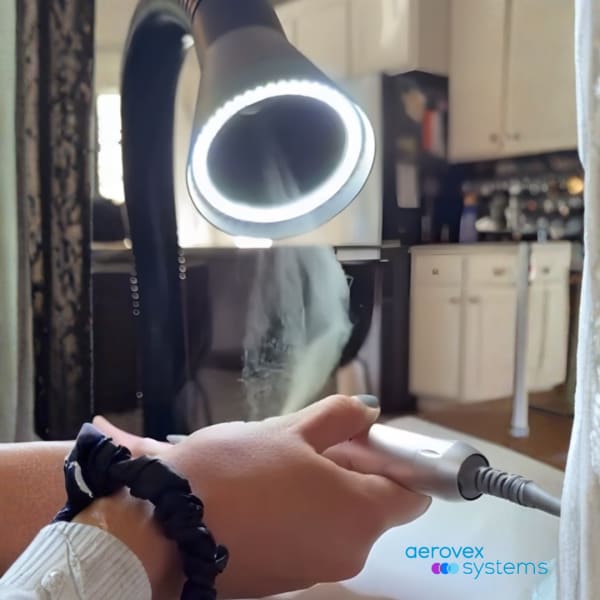
What actually counts as 'source capture' under nail salon ventilation code, and what doesn't (even if it feels like it should).
Sponsored by Aerovex Systems
 MENU
MENU SEARCH
A client living with trichotillomania will likely hide it from you, and might skip coming to the salon altogether. Once you understand the problem, you will become an asset and resource to your client.

We are honored to share this piece by Ellen Crupi, the Director of Awareness at HabitAware and a "Trichster" of 40+ years. Ellen tells us about growing-up with the recurrent and irresistible urge to pull at her hair.
Ellen interviewed Dorin Azerad, a hair-puller and hairstylist, for suggestions on ways to start the conversation with a client you suspect is pulling their hair and how to proceed from there.
We've also included a TedTalk by Aneela Idnani, a mental health advocate, co-founder and president of HabitAware, who is on a mission to raise awareness around Body Focused Repetitive Behavior (BFRB), a family of conditions that include compulsive hair pulling (trichotillomania), skin picking (dermatillomania) and nail biting (onychophagia). These are the most common mental health disorders you've never heard of, with approximately 1 in 20 Americans affected.
These women are building awareness for an often-misunderstood condition. Please know that they are offering-up intimate details of their own struggles because they are working to remove the stigma around Trichotillomania while also helping stylists recognize the disorder.
As Dorin says, “Once you understand the problem, you will become an asset and resource to your client.”
Ellen Crupi, the Director of Awareness at HabitAware
“Sandy, there is something wrong with Ellen.”
My mother walked over to take a closer look as Fatima pointed her comb at the back of my head and said, “Look, there are two bald spots behind her ears.”
“What did you do!? What’s wrong with you!?” Both women asked me.
“Anne put gum in my hair and I had to pull it out.” I lied. There was no gum. But I was pulling out my hair.
I was barely 11 years old that day in the hair salon.
Why do I pull out my hair? It felt so weird and alone. I wanted to stop. I tried to stop. But stopping was impossible as my hands had a mind of their own. I began to dread haircuts. Each time I sat in a stylist's chair watching as they combed through my hair, the same running dialogue raced through my mind.
Did I cause any visible damage? Will they see any thinning or bald spots? Should I say anything? Will they say anything?
No one said anything. Six years after Fatima pointed out my bald spots, I gathered up what little self-confidence I had and confessed my hair-pulling secret. Maybe this time Fatima could help? Her advice: If you are going to pull, pull the hair in the front of your head as you have too much hair there anyway.
I don’t have to tell you, that wasn’t good advice. But what it did teach me was to keep my hair pulling secret, a secret.
Six-months later on the blackboard of my college Abnormal Psychology class was a word I did not know. But that word knew me. It was Trichotillomania.
What is Trich-o-til-lo-ma-ni-a?
Trichotillomania (pronounced trik-o-till-o-MAY-nee-uh), also referred to as “hair-pulling disorder,” is a mental disorder that involves recurrent, irresistible urges to pull hair from the scalp, eyebrows, eyelids, and other areas of the body, despite repeated attempts to stop or decrease hair pulling.
According to the TLC Foundation for Body-Focused Repetitive Behaviors, 1 in 20 have trichotillomania. Trichotillomania is a self-soothing coping mechanism for anxiety, stress and even boredom. Trichotillomania usually presents in early adolescence coinciding with puberty and affects more girls than boys.
No one knows exactly what causes trichotillomania, but there is evidence it is partially a genetic disorder. Most pull their hair out without awareness while doing other activities such as reading, driving, or watching TV. While hair pulling sounds like it would be painful, many with Trichotillomania report that it feels good, which is one reason why it’s so hard to stop the behavior. Others describe the sensation similar to scratching an itch, providing relief. Even though some might feel pain with pulling, Trichotillomania is not self-harm.
Hair pulling varies in severity and can result in thinning hair, bald spots, loss of eyelashes or eyebrows, and even total baldness. It’s not possible to identify trichotillomania simply based on the appearance of a bald spot or thinning hair. Bald spots caused by alopecia, for example, can look very similar and may come and go as either disorder goes in and out of remission.
Many with trichotillomania live with intense shame and guilt, often hiding their disorder from friends and family because they are afraid of judgement and lack of support.
Everyone’s Trichotillomania journey is different. In looking back over mine, I varied from mild to moderate over the course of 40 years. I had wavy, curly hair where I could typically hide my damage, though not always. I learned to pull all over to reduce the likelihood of unevenness and bald spots, though that didn’t always happen.
The internal shame and guilt of being unable to control my behavior robbed me of self-confidence and replaced it with dread. Every single day I was constantly checking. Did I pull to much? Did I clean up the evidence? Did anyone notice me pulling? And the always present: What’s wrong with me? Why can’t I stop?
While there is no cure for trichotillomania, some “trichsters” respond well to cognitive behavior therapy (CBT) and habit reversal training (HRT). I tried it all: hypnosis, acupuncture, medications, supplements, individual and group therapy. While group therapy did give me some relief, it didn’t stick. It was the lack of awareness that tripped me up every time.
All that changed in May 2017. After a 3-hour pulling session while watching TV, I googled “breakthroughs in Trichotillomania” and an ad for HabitAware’s Keen bracelet appeared. The bracelet was invented by someone who grew up with this issue. The bracelet uses real-time gesture detection technology to make you aware of where your hands are so you can be empowered to make healthier choices.
Keen gave me the awareness I needed. When my hands would find their way to my head and begin searching, Keen’s gentle vibration, like a hug on my wrist, made me aware. Once aware I had a choice, to pull or replace my unwanted behavior with healthier behaviors.
Within months my shame and silence was replaced with being loud and proud.
Being a Resource
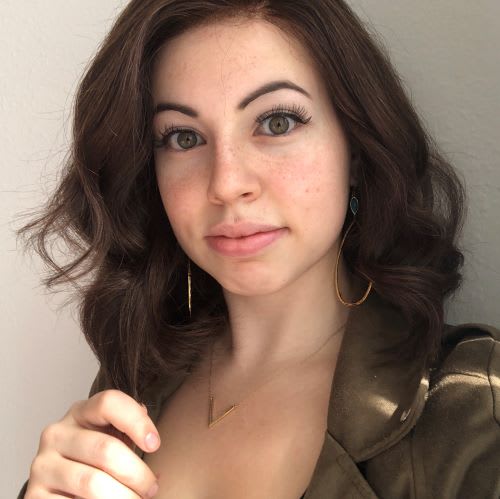
Dorin Azerad, hairstylist and fellow “trichster”
As cosmetologists, you are more than a stylist. You are a first line of defense, and you might even find yourself acting as a therapist would. Client’s will often share their daily frustrations and intimate secrets while sitting in your chair. But a client living with trichotillomania will likely hide it from you, and might skip coming to the salon altogether.
Once you understand the problem, you will become an asset and resource to your client.
The first step for a hairstylist is to create a judgement-free zone.
What a trichotillomania client is looking for most in a hair stylist is for your chair to be a safe space. Every Trichotillomania client is on their own Trich journey and you have to meet your clients where they are.
Dorin Azerad, hairstylist and fellow “trichster” suggests this simple yet effective conversation starter:
”How are things going with your hair?” This is a powerful yet gentle question. This warm starter stems from genuine curiosity and allows your client to open up or choose to wait, without sensing any judgement.
The second step is education. Make sure to have information about trichotillomania available for clients and for stylists. Contact HabitAware and The TLC Foundation and ask for free brochures. This serves two purposes. When your client is ready to open up, you are ready with resources to share. Plus you can have the brochures available in the waiting area for clients to take on their own.
Wigs, toppers and hair fibers (e.g. Toppik) are great options for clients with hair loss from trichotillomania who are looking to cover up or disguise bald or thin spots. While traditional hair extensions can help camouflage any thinness, they may not be the best option for trichotillomania clients as they can cause discomfort and also can be pulled out easily.
Do’s
Allow time to build trust with your client
Be sensitive and compassionate. Listen without judgement
Wait for your client to open up to you
Minimize the people involved in the styling process
Have brochures at stylists stations and waiting areas
Don’t
Don’t ask about or call attention to the hair loss
Don’t advise your client to “just stop pulling”
Don’t assume someone's hair loss is from compulsive hair pulling
Here are a list of resources to share with clients and salon staff:
TLC Foundation for BFRBs - for education and a list of therapists, support groups, directory of hairstylists, all who are trained in serving those with Trichotillomania
When you have a trich client in your chair, the best thing you can do is create a safe space where the burden of your client’s hair and hair loss is no longer solely in their hands. As their hairstylist, you’re taking care of their hair, if only for the length of the service.
About Ellen Crupi:
Ellen is the Director of Awareness at HabitAware and a fellow "Trichster" of 40+ years. Ellen is eager to help others find positive change with Keen & she is passionate about healthy living, exercise and dark chocolate. ellen@habitaware.com
About Dorin Azerad: (@dorinazerad)
Dorin is a hair-puller and hairstylist - the trichotillomania hairstylist. She has been living every day of the past 20 years with trichotillomania. Dorin is your biggest cheerleader on your trichy journey. dorin@dorinazerad.com
Originally posted on Modern Salon
What actually counts as 'source capture' under nail salon ventilation code, and what doesn't (even if it feels like it should).
Sponsored by Aerovex Systems
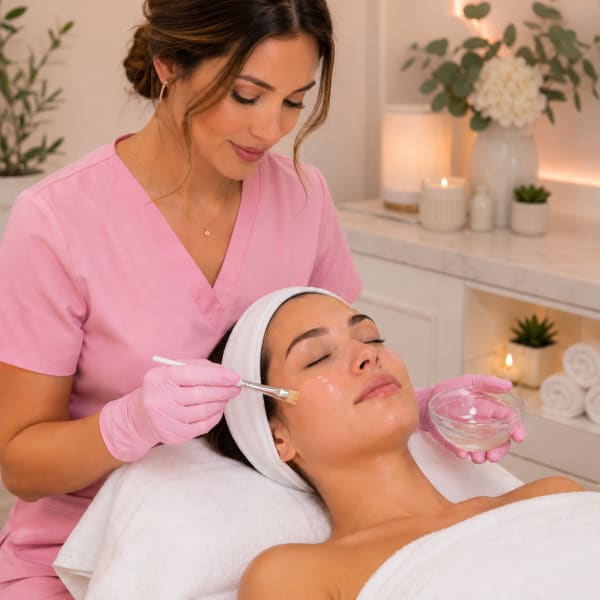
New services on the menu can create new opportunities, but they can also expose your business to greater liability. SASSI's Kathy Lopez shares a few services that pose greater risk, discusses some of the mistakes owners make when expanding their menus, and lists simple risk management strategies.

Shine Time: Aluram’s High Shine Line Delivers Moisture and Shine with Clean Ingredients
Sponsored by Aluram

Explore this curated selection of standout brands and essential products shaping today’s growing wellness and spa industry.

Neutralizing the damaging effects of water benefits the hair from texture to shine to color longevity, and it’s the science behind Malibu C products.
Sponsored by Malibu Wellness
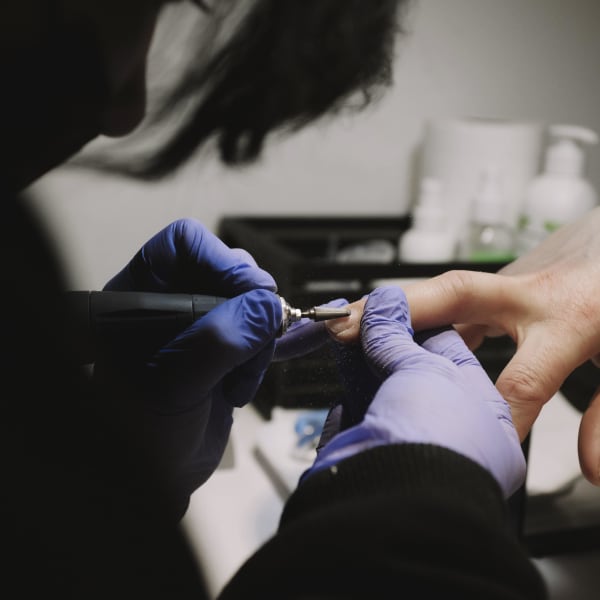
From acrylic monomers to airborne bio-dust, the air inside a nail salon carries risks most professionals never see coming. Aerovex Systems reveals the source-capture and room-purification strategies that are setting a new standard for salon safety.
Sponsored by Aerovex Systems
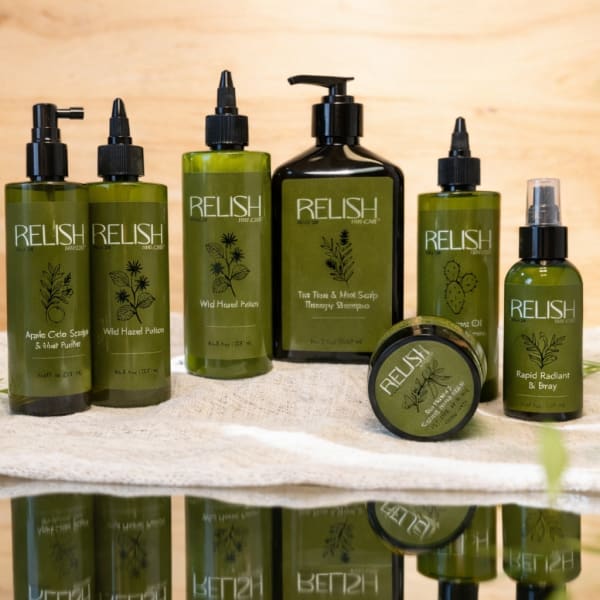
Good hair starts at the scalp. But most salons aren’t offering services or products that address scalp health. Relish, a new product line from the founders of Signature Formulations, has everything salons need to deliver an effective head spa service and offer guests a robust at-home scalp care line.

A new book by Joel Steele shows that the most powerful change people can make is to think differently if they want different results. The author believes in the 'Life Switch' so fervently that he's willing to donate $1 million from book sales when he sells his millionth copy.
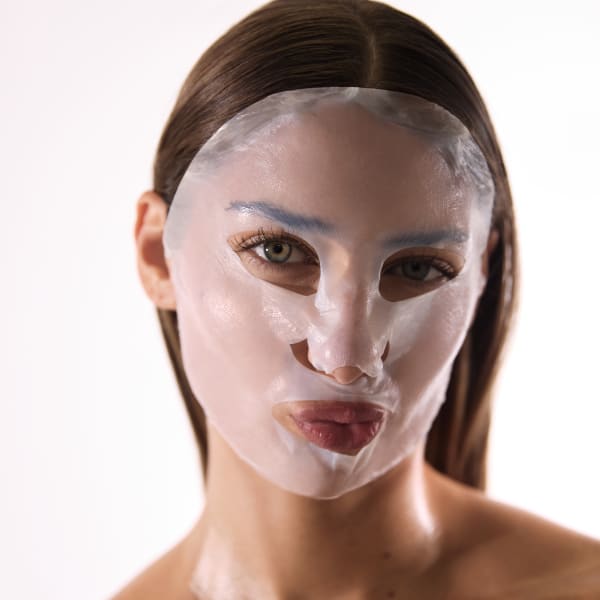
In an era where clients demand visible results with minimal recovery time, salons and spas are redefining what professional skincare means.

New global search data from beauty and wellness booking platform Fresha reveals that Botox remains the world’s most in-demand aesthetic treatment in 2025—but regenerative “tweakments” like polynucleotide injections, thread lifts and IV drips are seeing explosive growth across key markets.
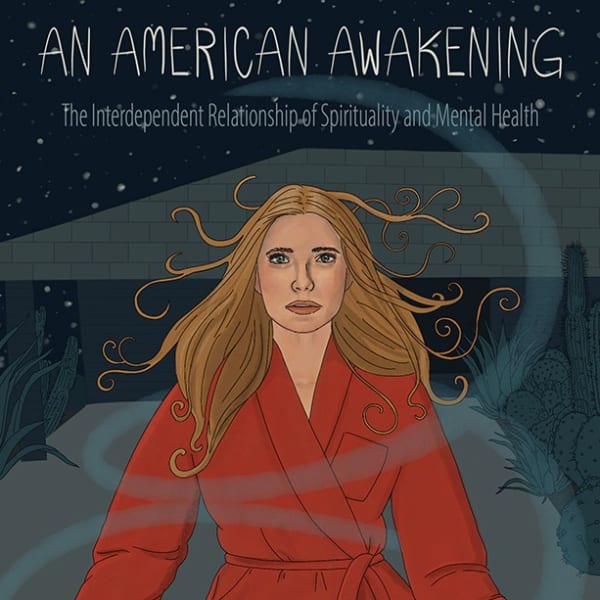
As rates of anxiety, depression, and substance use continue to climb across the U.S., conversations around mental health are more urgent than ever—yet one crucial perspective remains missing. In her captivating new book, Aymie Daniels introduces the little-known concept of “Spiritual Emergency” and opens a timely conversation about how America understands (and often mislabels) extreme psychological states.
Author and Lifestyle Coach Mark Reinisch's new book challenges the outdated 'work ethic' model, which values success over health, happiness, and the soul. His antidote: wellness ethic lifestyle design--a bold, practical approach to building a life that works for you, on your terms.
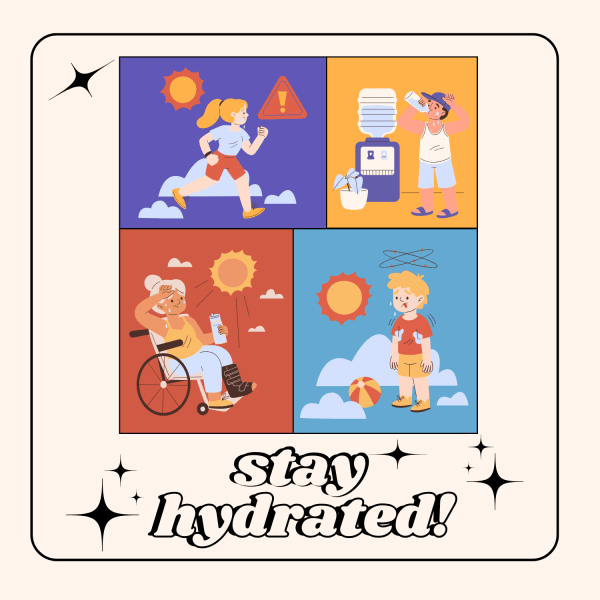
Water is a vital part of almost every process in the human body. Our Wellness Blogger Mary Wilson shows you why staying hydrated is so important and offers helpful guidelines on how to do it.

Located in downtown Denver, Sway Wellness Spa integrates the latest technology into services, offers accessible memberships, and brings a community setting to younger generations who yearn for a wellness experience that is not like their mothers'.
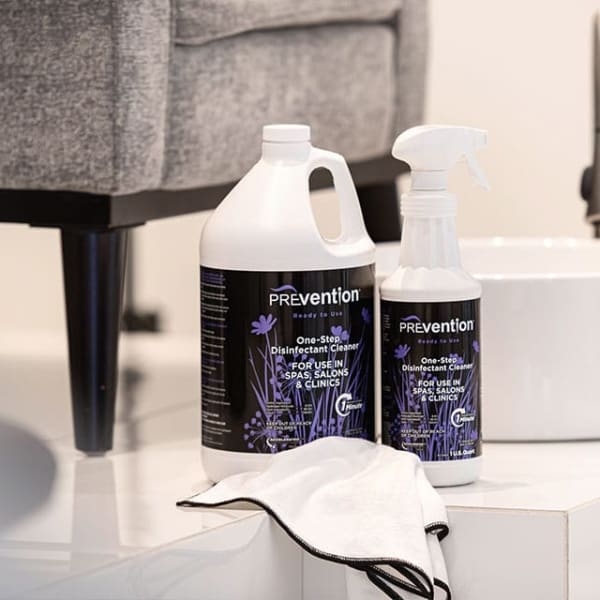
As a spa or salon professional, your clients expect more than just beauty—they expect safety, hygiene, and peace of mind. Fungal infections like Athlete’s Foot and Nail Fungus are more common than you think, especially in environments where tools and footbaths are reused without proper sanitation. This blog covers how to stop these issues before they start, using proven infection prevention strategies for salons and spas.
As the kids head back to school and the seasons shift, it might be time to clear your energy. Our Wellness Blogger Mary Wilson talks about why it's important and illustrates some of the different methods involved.

Do summer barbeques and sweet treats to beat the heat have you relaxing your healthy eating goals? Here comes our Wellness Blogger Mary Wilson to the rescue with some success hacks and meal prep tips that take advantage of the season's bounty.