Water is a vital part of almost every process in the human body. Our Wellness Blogger Mary Wilson shows you why staying hydrated is so important and offers helpful guidelines on how to do it.
by Mary Wilson, Wilson Collective
August 20, 2025
3 min to read
On average, the human body is approximately 50–70% water, depending on factors such as age, sex, and body composition. Water isn’t just a filler — it’s a vital part of almost every process in your body. Even mild dehydration can cause fatigue, headaches, dizziness, poor focus, and mood changes!
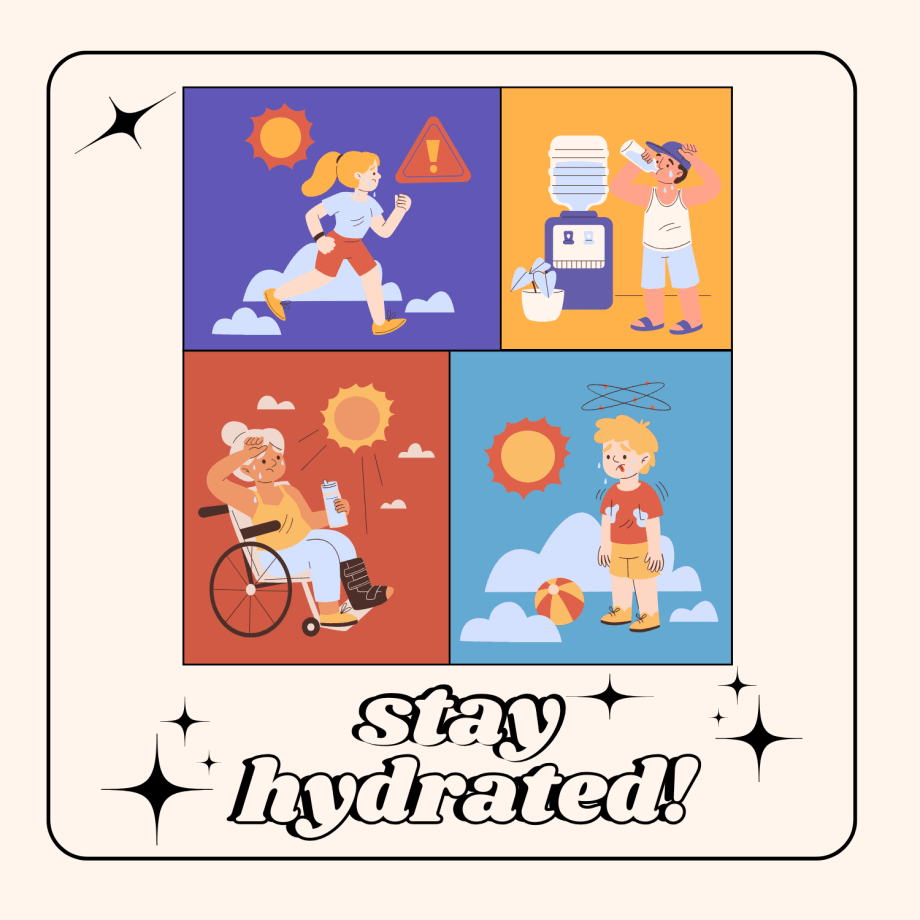
Staying hydrated isn’t just about avoiding thirst; it’s about keeping your whole system protected and running smoothly. In extreme heat, staying hydrated isn’t just about comfort — it’s about preventing serious health risks and keeping your body functioning under stress.
Ad Loading...
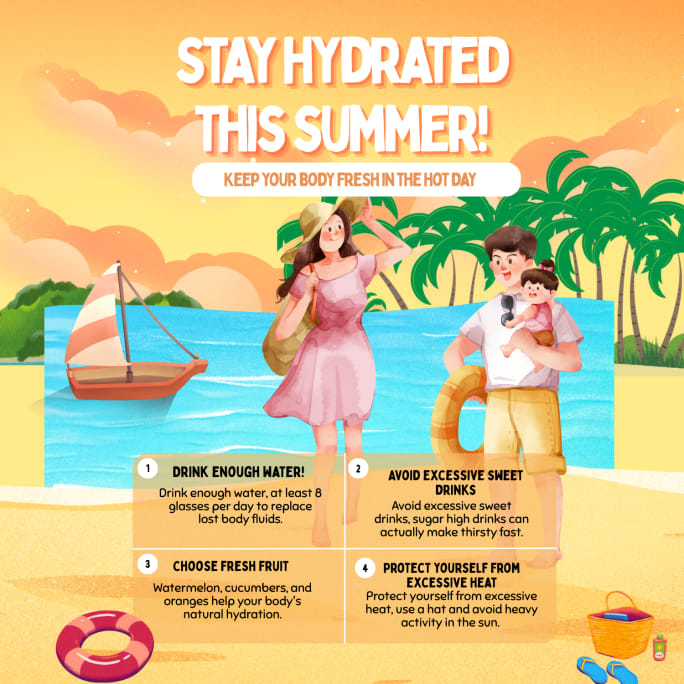
About 20% of daily water can come from foods (fruits, veggies, soups), so you don’t have to drink it all as plain water. Herbal teas, sparkling water, and milk count too — but soda and alcohol don’t hydrate well.
Why Drinking Water is Important
It regulates our temperature – through sweating and evaporation.
Transports nutrients & oxygen throughout the body – blood plasma is mostly water.
Lubricates our joints: It keeps movement smooth and reduces friction.
Supports digestion: Water helps break down food and absorb nutrients.
Flushes waste: This happensthrough urine, sweat, and bowel movements.
Protects organs & tissues: It acts as a shock absorber and cushion.
Maintains cell health: Every cell relies on water to function properly.
Prevents heat-related illnesses: Adequate hydration reduces the risk of heat exhaustionand heat stroke, both of which can be life-threatening if untreated.
Supports brain function: Even mild dehydration can cause confusion, poor concentration, and slower reaction times.
Preserves muscle performance: Muscles lose efficiency when dehydrated, leading to early fatigue, cramps, or reduced coordination.
Aids electrolyte balance: In heat, you lose sodium, potassium, and other electrolytes through sweat; water (plus electrolyte-containing drinks) keeps nerves and muscles firing properly.
Protects kidneys: High heat increases your risk of kidney stress or stones if fluids aren’t replaced.
Not Sure How Much Water You Should Be Drinking?
A common baseline is:
Daily water (oz)=Your weight X 0.5 to 0.67
That means you should aim for half to two-thirds your body weight in ounces per day. For example:
Ad Loading...
If you weigh 150 lbs → 75–100 ounces (= 2.2–3 liters)
If you weigh 200 lbs → 100–134 ounces (= 3–4 liters)
Quick Hydration Survival Guide
Pre-hydrate Before Exposure: One to two hours before going out, drink 16-20 oz. of water. Tip: Add a pinch of salt or an electrolyte tablet if you expect heavy sweating--it helps your body retain fluids.
Hydrate During Activity or Exposure: If sweating heavily, alternate between water and electrolyte drinks (e.g. sport drinks, coconut water, electrolyte packets) Tip: Freeze half of your water bottle overnight. The melt will help it stay cold.
Replenish After: Within 30-60 minutes after heat exposure, drink 16 oz. for every hour of extreme heat. Tip: Include a balanced meal or snack with protein, carbs and salt to restore electrolytes.
Food Hydration Boosters: Include high-water foods to reduce total drink load. For example, watermelon, cucumbers, oranges, strawberries, grapes, lettuce and celery. Tip: Consuming soups and smoothies also helps, especially if you have problems consuming large volumes of water.
Warning Signs of Dehydration and Heat Stress: Early signs include dry mouth, fatigue, headache, dark urine, dizziness, and reduced sweating. Severe signs include confusion, nausea, rapid heartbeat, no sweating despite heat. Call emergency services immediately.
Be safe out there and don't forget your sunscreen, shades and your water bottle!
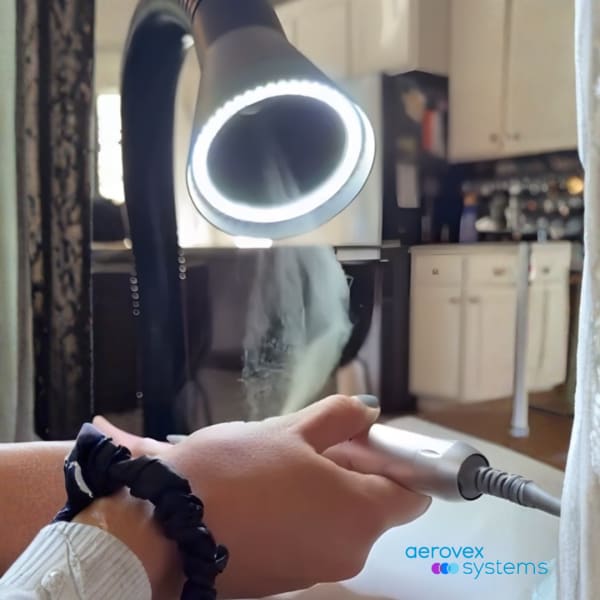
Both systems capture vapors and dust right at the nail table. The difference is where that air goes next, and that one detail can decide whether your salon passes inspection.
Your guest decides what kind of salon this is in the first ten seconds, long before she is in the chair, and scent is the piece most owners leave to chance. Aura House co-owner Leif Frey lays out what ambient scent can and cannot do, why air quality is an engineering question rather than a fragrance one, and the four decisions that matter more than the scent you choose.
You do not need to be a therapist to listen well. You do need to know where your role begins and ends. In her first blog for SALON TODAY, Modjossorica (Rica) Elysée shares five ways you and your team members can respond with care.
Your body doesn't necessarily tell the difference between a promotion and a deadline. In her first wellness blog for SALON TODAY, Wellify Co-Founder Laura Fuqua explains why even good stress has an impact.
Popping up across the UK, Menopause Cafés are helping women seek professional help with their menopause journeys. What better place to play host to one of these gatherings than a spa?
New services on the menu can create new opportunities, but they can also expose your business to greater liability. SASSI's Kathy Lopez shares a few services that pose greater risk, discusses some of the mistakes owners make when expanding their menus, and lists simple risk management strategies.
From acrylic monomers to airborne bio-dust, the air inside a nail salon carries risks most professionals never see coming. Aerovex Systems reveals the source-capture and room-purification strategies that are setting a new standard for salon safety.
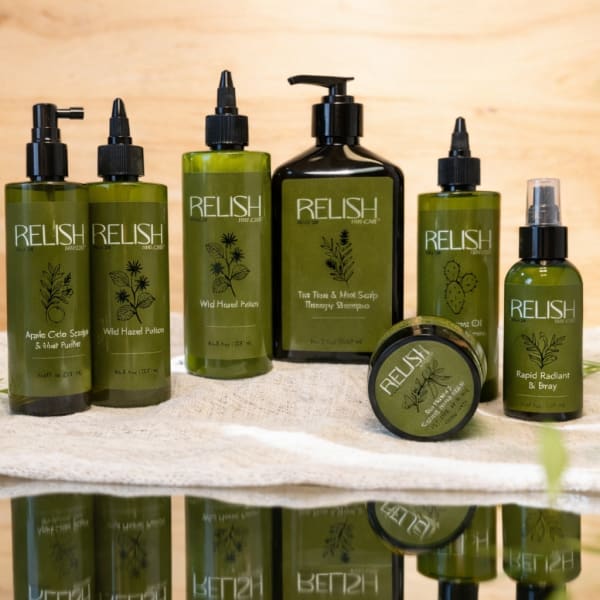
Good hair starts at the scalp. But most salons aren’t offering services or products that address scalp health. Relish, a new product line from the founders of Signature Formulations, has everything salons need to deliver an effective head spa service and offer guests a robust at-home scalp care line.
A new book by Joel Steele shows that the most powerful change people can make is to think differently if they want different results. The author believes in the 'Life Switch' so fervently that he's willing to donate $1 million from book sales when he sells his millionth copy.
New global search data from beauty and wellness booking platform Fresha reveals that Botox remains the world’s most in-demand aesthetic treatment in 2025—but regenerative “tweakments” like polynucleotide injections, thread lifts and IV drips are seeing explosive growth across key markets.
As rates of anxiety, depression, and substance use continue to climb across the U.S., conversations around mental health are more urgent than ever—yet one crucial perspective remains missing. In her captivating new book, Aymie Daniels introduces the little-known concept of “Spiritual Emergency” and opens a timely conversation about how America understands (and often mislabels) extreme psychological states.