A Simplified Approach to Wellness Using the 80/20 Rule
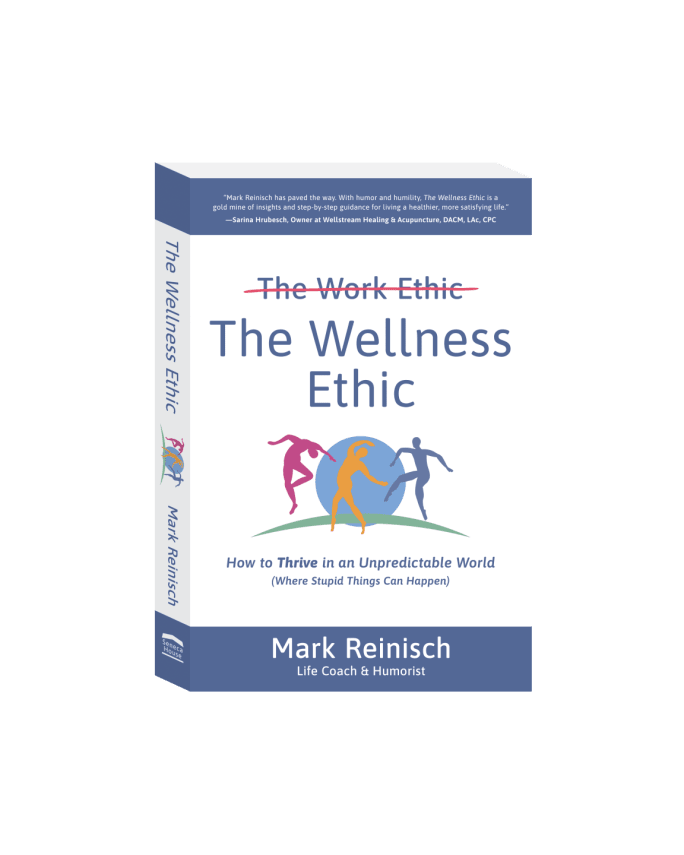
A new book, The Wellness Ethic, shares a game-changing method for thriving in life.
by Staff
July 2, 2025
3 min to read
Written to be the antidote to self-help books that are “too damn boring,” The Wellness Ethic is a compelling, fun-to-read book with humor and personal stories that make the wellness concepts spring to life.
Like a lot of folks, Mark Reinisch had oodles of conviction at the dawn of each new year when he announced the resolutions that were supposed to fix his life. And just like a lot of folks, his best-laid plans fizzled as soon as life interfered. Then, in 2018, he had an epiphany: write a book to unlock the secrets to wellness and the meaning of life.
“My breakthrough idea was to write a book about wellness and apply the wisdom to my own life to become happier and more fulfilled,” said Reinisch, a life coach, humorist and former corporate executive. “If I could learn how to eclipse the blinding daylight between inspired living and my actual existence, I knew I could help others do the same.”
His new book, The Wellness Ethnic, is NOT a typical self-help book. Reinisch isn’t a Harvard-educated psychologist or a multi-millionaire living a charmed life. Reinisch is relatable, vulnerable and hilarious as he simplifies complex wellness topics like mind, body, spirit and relationships to make wellness accessible, actionable and engaging.
So, what is a “wellness ethic”?
“It means you’re committed to wellness because you know that it improves your life and makes the world better,” Reinisch explained, adding, “When you have a wellness ethic, you thrive no matter how unpredictable the world gets.”
In his new book, Author Mark Reinisch applies the 80/20 rule to wellness.
What makes Reinisch’s approach stand out from the legions of other self-help books is his remarkably simple approach: the 80/20 rule, also known as the Pareto principle, derived from the work of Italian economist Vilfredo Pareto. It states that approximately 80% of the results (outcomes) are driven by 20% of the actions (inputs).
“When you apply the 80/20 rule to your life, it can be a game changer,” Reinisch said. “For example, the 80/20 rule suggests that 80% of the benefits of spirituality can be attained by embracing the most vital 20% of spiritual practices. Similarly, 80% of the benefits of taking care of your body can be realized by simply adopting the most vital 20% of physical wellness practices. It’s the key to making wellness attainable and sustainable.”
Written to be the antidote to self-help books that are “too damn boring,” The Wellness Ethic is a compelling, fun-to-read book with humor and personal stories that make the wellness concepts spring to life.
“It is the rare self-help book that you won’t be able to put down, unless the sheer bulk of it tires your arms and you drop it,” Reinisch quipped.
About the Author: Mark Reinisch is an author, life coach and entrepreneur specializing in personal transformation. He has decades of executive experience in corporate America, having driven transformation programs to help people and companies realize their vast potential. As side hustles, he founded a social media start-up, shepherded it to a successful buyout, and has written a dozen comedic screenplays. His dry wit comes along for the ride in all that he does. He resides in Charleston with his wife and herd of cats. He loves going on adventures with his two adult daughters. For more information, please visit https://www.wellnessethic.com/
Both systems capture vapors and dust right at the nail table. The difference is where that air goes next, and that one detail can decide whether your salon passes inspection.
Your guest decides what kind of salon this is in the first ten seconds, long before she is in the chair, and scent is the piece most owners leave to chance. Aura House co-owner Leif Frey lays out what ambient scent can and cannot do, why air quality is an engineering question rather than a fragrance one, and the four decisions that matter more than the scent you choose.
You do not need to be a therapist to listen well. You do need to know where your role begins and ends. In her first blog for SALON TODAY, Modjossorica (Rica) Elysée shares five ways you and your team members can respond with care.
Your body doesn't necessarily tell the difference between a promotion and a deadline. In her first wellness blog for SALON TODAY, Wellify Co-Founder Laura Fuqua explains why even good stress has an impact.
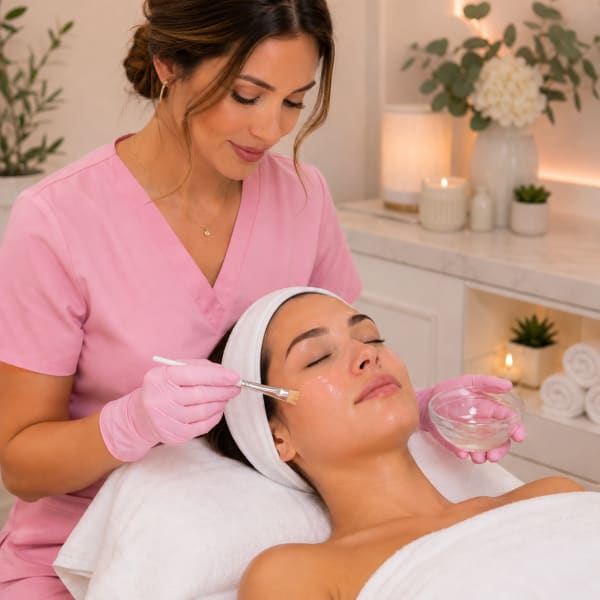
Popping up across the UK, Menopause Cafés are helping women seek professional help with their menopause journeys. What better place to play host to one of these gatherings than a spa?
New services on the menu can create new opportunities, but they can also expose your business to greater liability. SASSI's Kathy Lopez shares a few services that pose greater risk, discusses some of the mistakes owners make when expanding their menus, and lists simple risk management strategies.
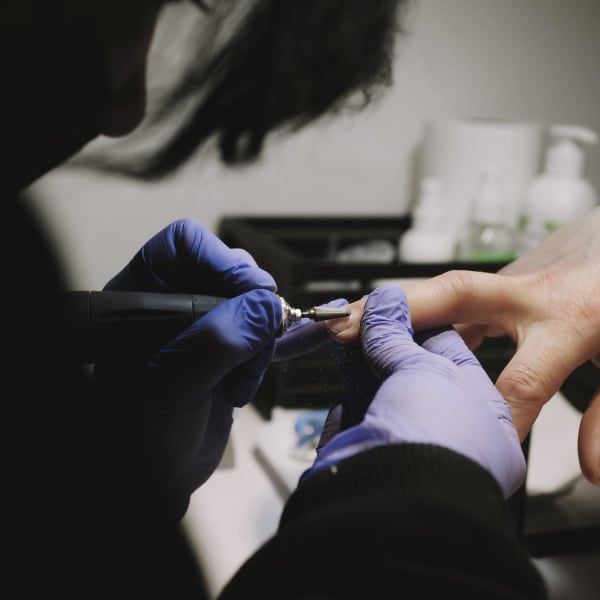
From acrylic monomers to airborne bio-dust, the air inside a nail salon carries risks most professionals never see coming. Aerovex Systems reveals the source-capture and room-purification strategies that are setting a new standard for salon safety.
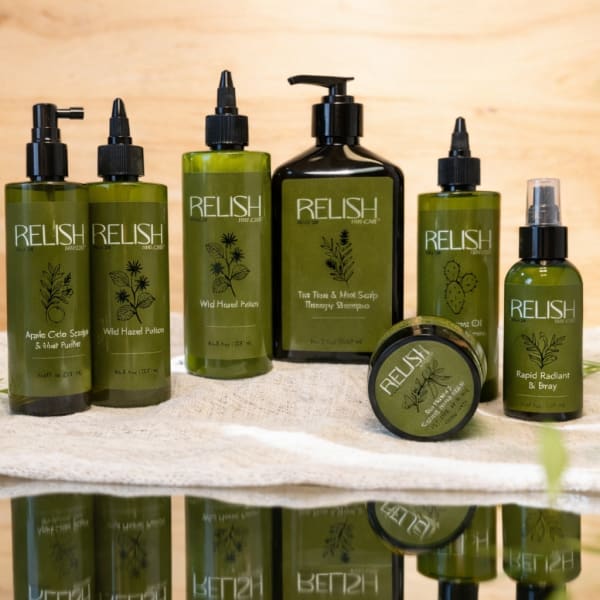
Good hair starts at the scalp. But most salons aren’t offering services or products that address scalp health. Relish, a new product line from the founders of Signature Formulations, has everything salons need to deliver an effective head spa service and offer guests a robust at-home scalp care line.
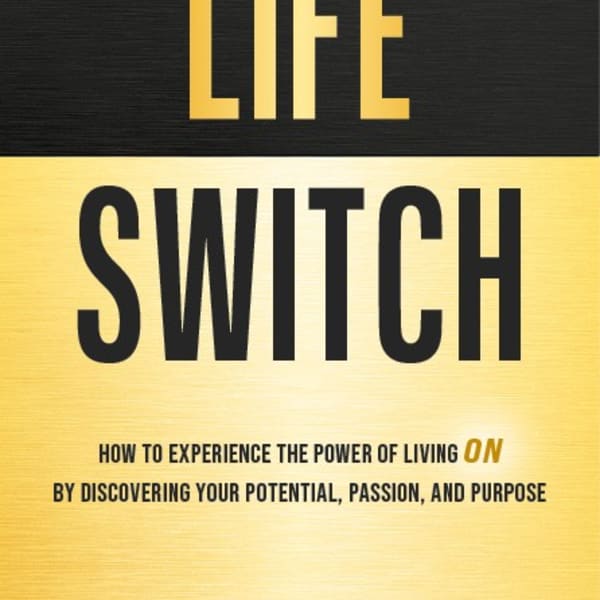
A new book by Joel Steele shows that the most powerful change people can make is to think differently if they want different results. The author believes in the 'Life Switch' so fervently that he's willing to donate $1 million from book sales when he sells his millionth copy.
New global search data from beauty and wellness booking platform Fresha reveals that Botox remains the world’s most in-demand aesthetic treatment in 2025—but regenerative “tweakments” like polynucleotide injections, thread lifts and IV drips are seeing explosive growth across key markets.
As rates of anxiety, depression, and substance use continue to climb across the U.S., conversations around mental health are more urgent than ever—yet one crucial perspective remains missing. In her captivating new book, Aymie Daniels introduces the little-known concept of “Spiritual Emergency” and opens a timely conversation about how America understands (and often mislabels) extreme psychological states.