








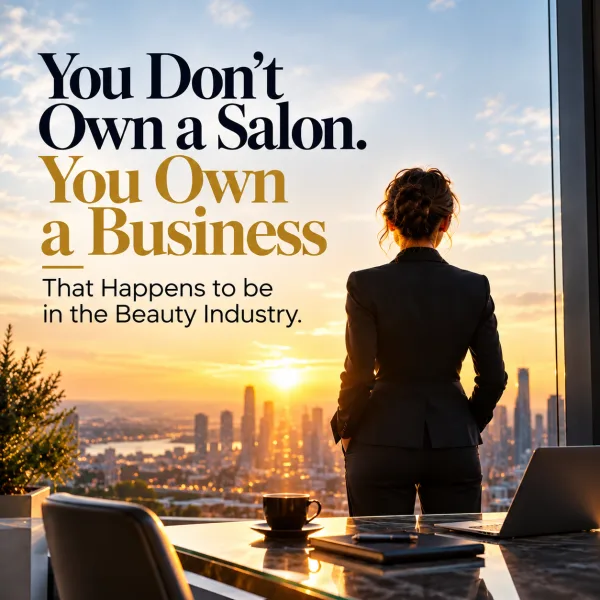
You Don't Own a Salon. You Own A Business.
In his latest blog, Leon Alexander Ph.D., challenges industry conventional thinking to help owners add more to their bottom lines.
 MENU
MENU SEARCH
AS A TEENAGER, Jane Wurwand worked at a salon in her native United Kingdom as a ‘Saturday Girl,” an entry-level apprentice who sweeps hair trimmings and sorts and sterilizes hair-pins. She fell in love with the business, and when she discovered skin care, she discovered her destiny.
Jane Wurwand
Founder and Owner, Dermalogica. Inc., and The International Dermal Institute
Licenses: From the British Association of Beauty Therapy and Cosmetology. ITEC, California Estheticians License, Post-secondary Teachers License
Affiliations: Clinton Global Initiative member, UCLA School of Management board member, NAWBO/LA member, Step Up Luminary Member.
AS A TEENAGER, Jane Wurwand worked at a salon in her native United Kingdom as a ‘Saturday Girl,” an entry-level apprentice who sweeps hair trimmings and sorts and sterilizes hair-pins. She fell in love with the business, and when she discovered skin care, she discovered her destiny. Today, Wurwand’s Derrnalogica line is sold in more than 80 countries and her International Dermal Institute offers curriculum in 40 global locations. In 2011, Wurwand expanded her vision beyond skin care by establishing joinFITE (Financial Independence Through Entrepreneurship) to extend microloans to impoverished women around the world to help them establish businesses that can provide for themselves and their families.
Who were your mentors along the way? “I have been very lucky to have had great teachers, beginning with my own mother. She was widowed very young with four daughters and never remarried. Her sole focus was creating the best possible life for her daughters. She told me from the beginning ‘Learn how to do something.’ I have learned a great deal from professionals in our industry, such as Eve Taylor, who truly created modern aromatherapy, and Ken England, an industry great and Redken superstar who taught me ‘Never believe your own publicity—you probably wrote it yourself.’”
How has being a woman made your career path harder or easier? “The skin care industry is nearly 100 percent a woman’s arena, which is very different from hair care. That said, I absolutely ran up against the old-boys-network chauvinism when I moved from practicing skin care treatments to becoming a manufacturer. For instance, when contacting available compounding labs in Los Angeles, all of the chemists were much older men and they viewed me as a girl with a cute accent, who knew nothing. Without exception, they told me the concept for my line was impossible to formulate—they all said it couldn’t be done. That was 25 years ago. and today, Dermalogica is the most-requested professional skin care brand in the world. And our VP of R&D is Dr. Diana Howard—a woman.”
What would you consider your greatest professional break? “Coming to the United States in 1983. More dreams come true here than anywhere else on the planet and I still consider it the greatest gift I have ever received. There have been other landmark moments, but I think the opening of our very first concept space, our Dermalogica flagship store in Santa Monica, was a major turning-point.”
What’s the best business advice anyone ever gave you? “‘Don’t try to please everybody’. This sounds obvious, but many brands lose their footing because they lose sight of their key customer. Sometimes this happens out of greed, other times, it’s simply misguided. Someone gets what seems like a good idea, and BOOM, a jewelry design brand is suddenly in the business of baking designer cupcakes. Not to say this never works, but Dermalogica’s success reflects the wisdom of a narrow focus! I love a good, red lipstick, but I’ll let somebody else make it.”
What business achievement are you most proud of? “That our brand is universally respected for its commitment to education and specifically empowering women financially and professionally. Over the past 28 years, we’ve trained more than 100,000 skin therapists worldwide, 25,000 of whom own their own skin care centers or spas. Reaching beyond skin care in January 2011, We created our global philanthropic women’s initiative called joinFITE (Financial Independence Through Entrepreneurship). The goal is to extend microloans to women in need around the world, in all sorts of work, so they may provide for themselves and their families. I had the opportunity to meet with President Bill Clinton at the 2010 Clinton Global initiative in New York City and pledge Dermalogica’s commitment to help a minimum of 25,000 women worldwide to start or grow a business. Additionally, on the 100th Anniversary of International Women’s Day, I provided a keynote address at the United Nations and shared the joinFITE commitment.”
What do you hope to achieve in the next five years? “I hope to work with fellow entrepreneurs, and also with women who are powerful decision-makers in executive roles in the corporate-world, to set a greater precedent for championing apprentices in every profession.”
In his latest blog, Leon Alexander Ph.D., challenges industry conventional thinking to help owners add more to their bottom lines.
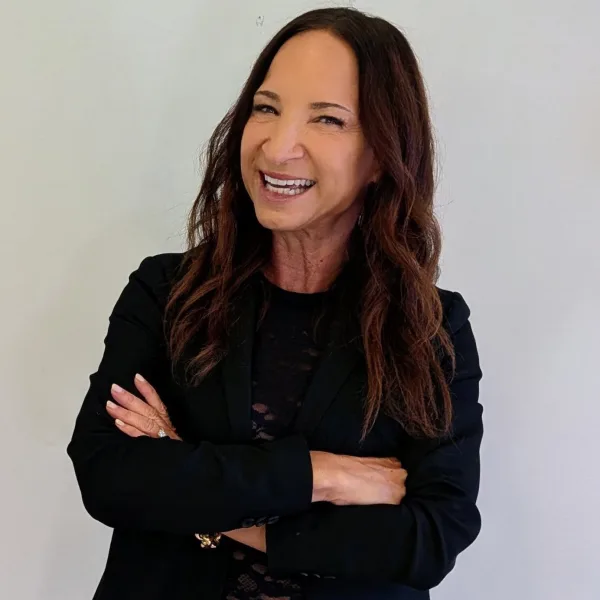
In her latest blog, Amy Pal helps you develop your own clear guidelines around complimentary free employee services.
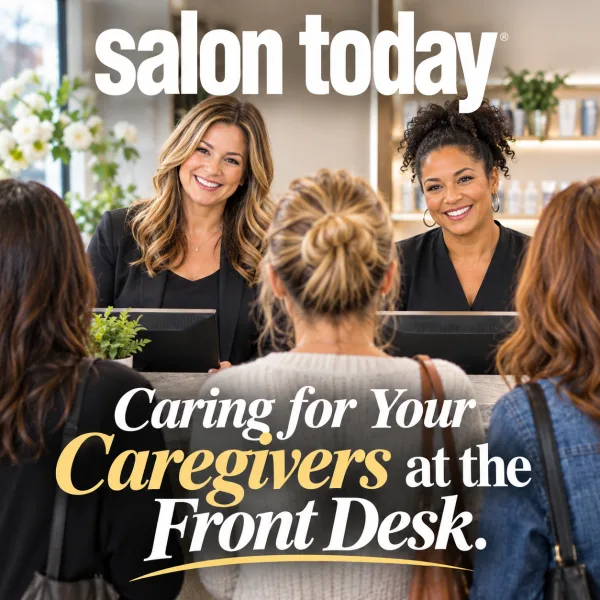
From managing air traffic on busy days to handling frustrated guests' complaints, your front desk team often serves as the salon's emotional shock absorber. From a customer service lesson from the DMV to a list of strategies for caring for your front line, our experts offer ideas for alleviating stress, celebrating wins, and setting goals.

According to the KIM Report, top-line salon revenue appears steady or slightly up, but that growth is driven primarily by service price increases. Beneath the surface, retail performance and client visit frequency (appointment drift) are under real pressure. In his latest blog, Alain Audet offers strategies for keeping your salon's retail sales strong.

Putting your family to work in the salon offers some real tax benefits, but you have you have to play by the rules of the tax code to claim them. Azarvand Tax Law's Leticia Skrabut, Esq., shows you how.

Discover how to create a true “WOW experience” for every client by first building a culture where your team feels engaged, empowered, and inspired. Drawing on Calvin Stovall’s Iconic Framework, this blog explores how salon, spa, and clinic leaders can strengthen culture, elevate customer experience, and build a business that stands out for the long term.
Sponsored by Phorest Salon Software

The wellness industry is growing fast, and salons and barbershops already are an important part of it. In her first blog, Tracy Rado shares where the wellness dollars are heading, and how salons can grow with this movement.

While salon sales are increasing, owners often feel they're working harder for the same or less profit. Leverage Q2 data from The KIM Report, Alain Audet reveals some of the structural changes that are dampening your growth and why your region and your salon size matters.
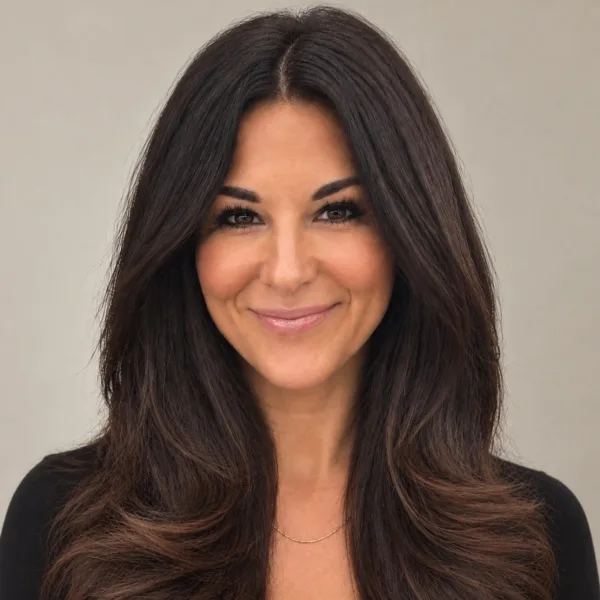
Weaknesses in your business are amplified during the Holiday Season. Spark Pro Global's Lucy Randall shows you five things to do now to have the strongest holiday season yet.

In Kati Whitledge's latest blog, she shares how salons have moved away from dress codes and embraced appearance standards. But by removing strict dress codes, some businesses may have unintentionally lowered their appearance standards. Whitledge helps you explain to your team why an appearance standard is important and how to smoothly implement a new appearance policy.

The Small Business Health Care Tax Credit is a non-refundable tax credit for for-profit businesses that provides a financial incentive for eligible employers who offer health insurance coverage to their employees. Leticia Skrabut, Esq., walks you through how to claim that credit.

Developing strong work habits early in one's career supports long-term success in the salon industry. Jesse Linares offers new stylists his top five tips.

Most salon owners have no idea what these numbers are. You can hit record sales and still have a profit problem. The difference comes down to four numbers almost nobody was taught to track.
Sponsored by Strata Salon Systems™

A five-area audit every owner-dependent salon needs to run. You built something that looks successful. Now find out if it can survive without you.
Sponsored by Strata Salon Systems™

Every month you put off fixing the problem, it gets bigger, more expensive, and harder to solve.
Sponsored by Strata Salon Systems™
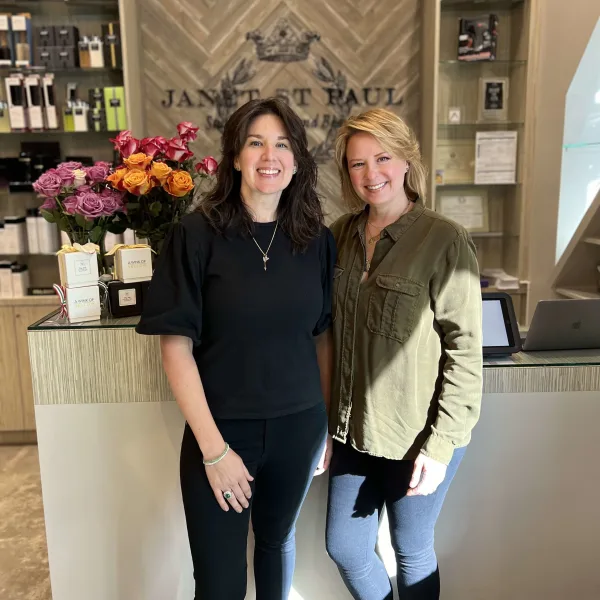
At Janet St. Paul Studio for Hair and Beauty, Director of Operations Natasha McMillen helps bring her wife Janet St. Paul's vision to life, elevating every system from education to operations.
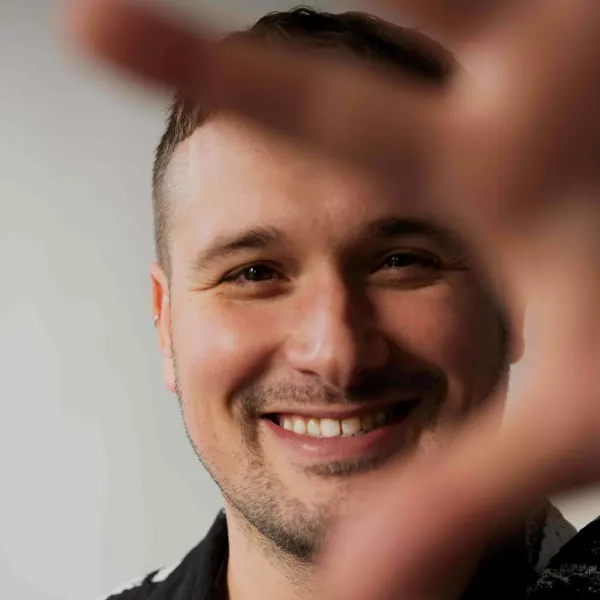
Expand your color service menu with the Pinstripe technique. Brooks and Brooks' Marlon Hawkins walks you through the technique.