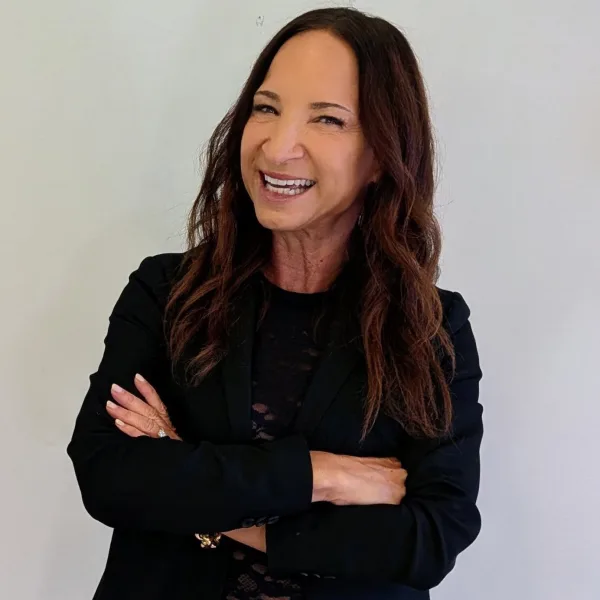
"If I implement everything that I've learned, it's going to be light-years different from what I'm coming from," says Stylist Leighann Lanning.
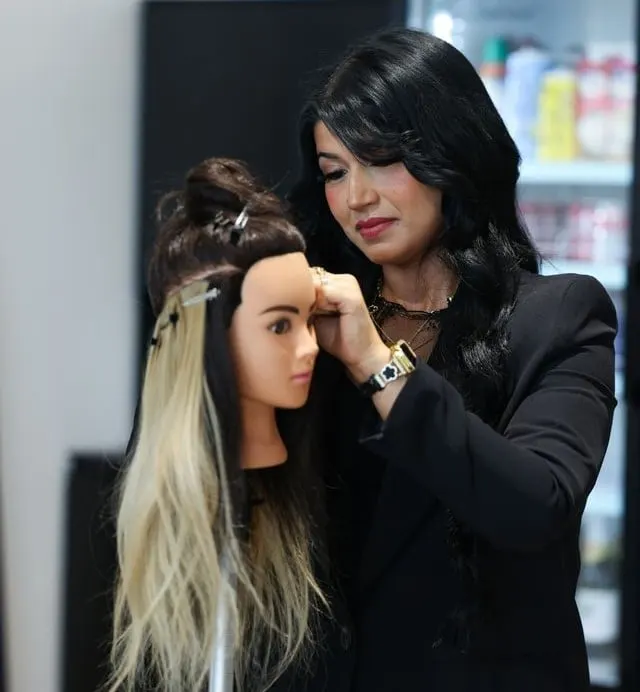
Harper Ellis Hair Co.®, a professional leader in hair extension education and products, is enrolling stylists nationwide in its comprehensive certification program, built around the brand's built around the brand's Harper Ellis Concealed Bead Method®. This installation technique was engineered specifically for scalp safety, undetectable results, and the kind of efficiency that makes a real difference in a stylist's bottom line.
Ad Loading...
The Harper Ellis Concealed Bead Method was developed with scalp integrity as a priority. The method's seamless, flat application produces zero visibility at the root, so clients can wear their hair in any style without any telltale signs of extensions. Because durability and slip prevention are built into the method itself, stylists spend less time on corrections and more time on new installs. Rows can be completed in as little as 15 minutes, and the technique is fully customizable to accommodate every client's unique hair type, density, and lifestyle needs.
The business impact of that speed and reliability is significant. A stylist who can complete rows in 15 minutes is not just saving time. They are creating space for more clients, resulting in higher daily revenue.
"The most rewarding part of teaching the Harper Ellis Concealed Bead Method is watching what happens after class. I’ve seen stylists go from feeling stuck and overwhelmed to building six-figure businesses, increasing their income, and creating more freedom for themselves and their families. It’s never just about extensions. It’s about changing the trajectory of a career," stylist and Harper Ellis Hair Co. Educator Creighton Ellis said.
The Harper Ellis Certification Program™ is built to match the depth of the method itself. Students unlock 60+ online training videos, live coaching sessions with Harper Ellis Educators, and lifetime access to resources that continue supporting their growth long after certification is complete. Stylists also receive hybrid training in Tape-Ins and Keratin Bonds, expanding the range of services they can confidently offer clients in their chair.
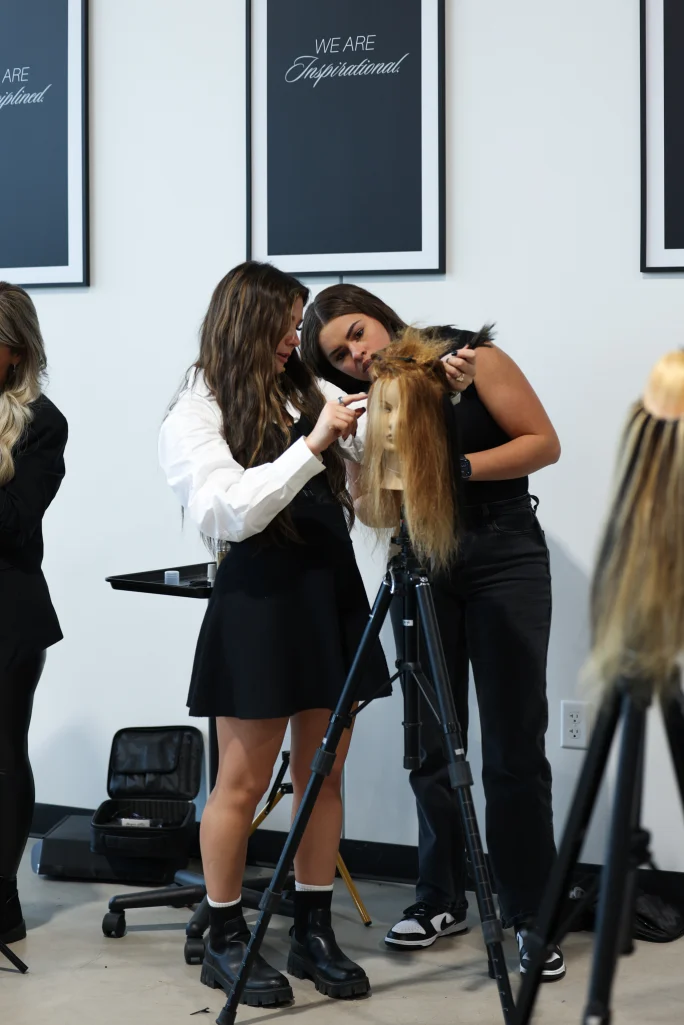
Students practice in the Harper Ellis Certification Program.
Credit: Harper Ellis
The curriculum doesn’t stop at extensions. It also includes pricing systems, client consultation frameworks, and strategies designed to increase profitability without increasing hours. Harper Ellis Educators provide real-time coaching throughout the course, so students are never left to figure it out alone.
Ad Loading...
"Everything was very in-depth, and all my questions were answered. Everyone was very involved and attentive," stylist Skyler Fortier said.
Upon completion, stylists earn their Harper Ellis Certification, a professional credential that signals a higher standard of expertise and helps build the kind of client trust that drives referrals and retention.
To learn more about The Harper Ellis Certification Program™, click this link.
Are one of your traditional, handed-down salon management practices actually breaking the law. The pros from Paragon HR Consulting walk you through seven common Human Resources mistakes that could land you in hot water.
All beauty professionals should know how to identify when a client may need some health guidance. Tracy Rado discusses some common questions that clients ask in the chair, how to advise them, and when to refer them to a specialist.
From managing air traffic on busy days to handling frustrated guests' complaints, your front desk team often serves as the salon's emotional shock absorber. From a customer service lesson from the DMV to a list of strategies for caring for your front line, our experts offer ideas for alleviating stress, celebrating wins, and setting goals.
According to the KIM Report, top-line salon revenue appears steady or slightly up, but that growth is driven primarily by service price increases. Beneath the surface, retail performance and client visit frequency (appointment drift) are under real pressure. In his latest blog, Alain Audet offers strategies for keeping your salon's retail sales strong.
Putting your family to work in the salon offers some real tax benefits, but you have you have to play by the rules of the tax code to claim them. Azarvand Tax Law's Leticia Skrabut, Esq., shows you how.
Discover how to create a true “WOW experience” for every client by first building a culture where your team feels engaged, empowered, and inspired. Drawing on Calvin Stovall’s Iconic Framework, this blog explores how salon, spa, and clinic leaders can strengthen culture, elevate customer experience, and build a business that stands out for the long term.
The wellness industry is growing fast, and salons and barbershops already are an important part of it. In her first blog, Tracy Rado shares where the wellness dollars are heading, and how salons can grow with this movement.
While salon sales are increasing, owners often feel they're working harder for the same or less profit. Leverage Q2 data from The KIM Report, Alain Audet reveals some of the structural changes that are dampening your growth and why your region and your salon size matters.
Weaknesses in your business are amplified during the Holiday Season. Spark Pro Global's Lucy Randall shows you five things to do now to have the strongest holiday season yet.
In Kati Whitledge's latest blog, she shares how salons have moved away from dress codes and embraced appearance standards. But by removing strict dress codes, some businesses may have unintentionally lowered their appearance standards. Whitledge helps you explain to your team why an appearance standard is important and how to smoothly implement a new appearance policy.
The Small Business Health Care Tax Credit is a non-refundable tax credit for for-profit businesses that provides a financial incentive for eligible employers who offer health insurance coverage to their employees. Leticia Skrabut, Esq., walks you through how to claim that credit.
Developing strong work habits early in one's career supports long-term success in the salon industry. Jesse Linares offers new stylists his top five tips.
Most salon owners have no idea what these numbers are.
You can hit record sales and still have a profit problem. The difference comes down to four numbers almost nobody was taught to track.