







You Don't Own a Salon. You Own A Business.
In his latest blog, Leon Alexander Ph.D., challenges industry conventional thinking to help owners add more to their bottom lines.
 MENU
 SEARCH
In Not Everyone Gets a Trophy, Author Bruce Tulgan sheds some light on Generation Y in the workforce. Here, he dispels 14 myths about the youngest of workforce generations.
In Not Everyone Gets a Trophy, Author Bruce Tulgan sheds some light on Generation Y in the workforce. Here, he dispels 14 myths about the youngest of workforce generations.

Bruce Tulgan, author of Not Everyone Gets a Trophy
Myth #1: Gen Yers are disloyal.
Reality: They offer the kind of loyalty you get in a free market-that is, transactional loyalty (whatever you can negotiate).
Myth #2: They won't do the grunt work.
Reality: They are so eager to prove themselves they will do the grunt
work or anything else. But they won't do the grunt work, or anything
else, if they start to fear that nobody is keeping track of what they
are doing and giving them credit. They are not about to do the grunt
work in exchange for vague, long-term promises of rewards that vest in
the deep distant future.
Listen in: Catch a portion of Stacey Soble's interview with Bruce Tulgan!
Click the play button to begin.
Myth #3: They don't know very much and have short attention spans.
Reality: They may not have the same shared knowledge base that people
with a certain level of education used to take for granted, but they
walk in the door with more information in the heads and more
information available at their fingertips than anyone ever has before.
They think, learn, and communicate in sync with today's information
environment.
Myth #4: They want the top job on day one.
Reality: They have no interest in taking their time to "get a feel for
the place." They want to hit the ground running on day one. They want
to make an impact.
Myth #5: They need work to be fun. Reality:
Gen Yers don't want to be humored; they want to be taken seriously. Buy
they want to learn, to be challenged, and to understand the
relationship between their work and the overall mission of the
organization. They want to work with good people and have some
flexibility in where, when and how they work.
Myth #6: They want to be left alone at work. Reality:
If they actually care one bit about the job, they want managers who
know who they are, know what they are doing, are highly engaged with
them, provide guidance, help them solve problems , and keep close track
of their successes.
Myth #7: They want their managers to do their work for them. Reality: They want managers to teach them.
Myth #8: They don't care about climbing the proverbial career ladder. Reality:
Ten Yers will follow a self-building path made up of learning,
relationships, proof of their ability to add value, and lifestyle
flexibility, instead of climbing a ladder, they are making a tapestry.
Myth #9: Money and traditional benefits don't matter to them. Reality:
Of course, money and benefits matter to them. They want to get the best
deal they can get. In fact, they are usually quite savvy about
comparing what each employer offers. But money and benefits are only a
threshold issue. If you offer money and benefits that are competitive
with other comparable employers, then you can keep the conversation
going.
Myth #10: Money is the only thing that matters to them. Reality:
If they are asking for more, what they are really asking is, "What do I
need to do to earn more?" Once you meet the threshold of competitive
money and benefits, Gen Yers care about five other things: schedule,
relationships, task choice, learning opportunities and location.
Myth #11: They don't respect their elders. Reality:
They do respect their elders. They are closer to their parents than any
other generation has ever been! But they want respect too. Their
parents, teachers and counselors have always treated them wit respect,
so they feel they deserve respect from their managers too.
Myth #12: They want to learn only from computers.
Reality: From computers, they want to learn stuff that is easy to
learn from computers. But, they absolutely need the human element to do
their best learning. They learn best from a combination of the human
element-coaching, direction, guidance, support, shared wisdom-and the
powerful capacity of menu-driven information systems to guide them
through the tidal wave of information available at their fingertips.
Myth #13: It's impossible to turn them into long-term employees. Reality: You can turn them into long-term employees. You'll just have to do it one day at a time.
Myth #14: They will never make good managers because they are too self-focused. Reality:They make perfectly good managers if you help them learn the basics and then practice, practice, practice.
Catch
him live! Bruce Tulgan will be a keynote speaker at Serious Business,
which will be held at the Roosevelt Hotel in New Orleans, January
24-26, 2010.
In his latest blog, Leon Alexander Ph.D., challenges industry conventional thinking to help owners add more to their bottom lines.
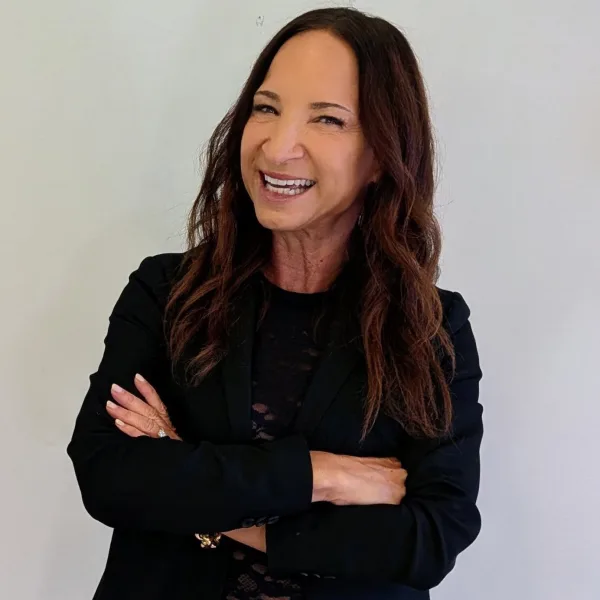
In her latest blog, Amy Pal helps you develop your own clear guidelines around complimentary free employee services.
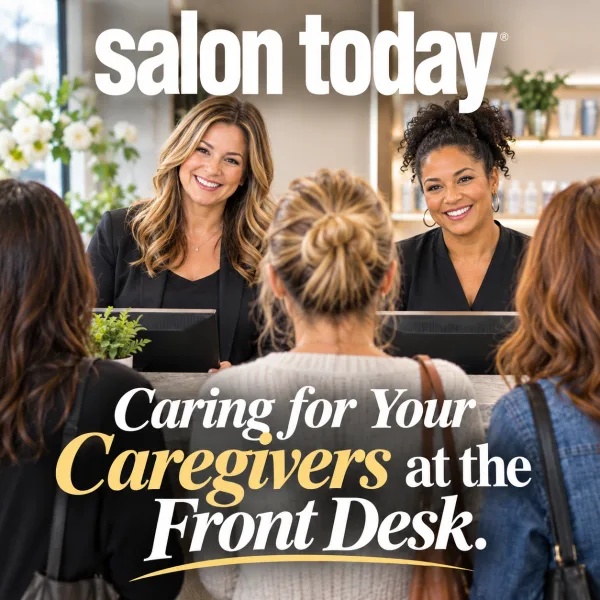
From managing air traffic on busy days to handling frustrated guests' complaints, your front desk team often serves as the salon's emotional shock absorber. From a customer service lesson from the DMV to a list of strategies for caring for your front line, our experts offer ideas for alleviating stress, celebrating wins, and setting goals.

According to the KIM Report, top-line salon revenue appears steady or slightly up, but that growth is driven primarily by service price increases. Beneath the surface, retail performance and client visit frequency (appointment drift) are under real pressure. In his latest blog, Alain Audet offers strategies for keeping your salon's retail sales strong.

Putting your family to work in the salon offers some real tax benefits, but you have you have to play by the rules of the tax code to claim them. Azarvand Tax Law's Leticia Skrabut, Esq., shows you how.

Discover how to create a true “WOW experience” for every client by first building a culture where your team feels engaged, empowered, and inspired. Drawing on Calvin Stovall’s Iconic Framework, this blog explores how salon, spa, and clinic leaders can strengthen culture, elevate customer experience, and build a business that stands out for the long term.
Sponsored by Phorest Salon Software

The wellness industry is growing fast, and salons and barbershops already are an important part of it. In her first blog, Tracy Rado shares where the wellness dollars are heading, and how salons can grow with this movement.

While salon sales are increasing, owners often feel they're working harder for the same or less profit. Leverage Q2 data from The KIM Report, Alain Audet reveals some of the structural changes that are dampening your growth and why your region and your salon size matters.

Weaknesses in your business are amplified during the Holiday Season. Spark Pro Global's Lucy Randall shows you five things to do now to have the strongest holiday season yet.

In Kati Whitledge's latest blog, she shares how salons have moved away from dress codes and embraced appearance standards. But by removing strict dress codes, some businesses may have unintentionally lowered their appearance standards. Whitledge helps you explain to your team why an appearance standard is important and how to smoothly implement a new appearance policy.

The Small Business Health Care Tax Credit is a non-refundable tax credit for for-profit businesses that provides a financial incentive for eligible employers who offer health insurance coverage to their employees. Leticia Skrabut, Esq., walks you through how to claim that credit.

Developing strong work habits early in one's career supports long-term success in the salon industry. Jesse Linares offers new stylists his top five tips.

Most salon owners have no idea what these numbers are. You can hit record sales and still have a profit problem. The difference comes down to four numbers almost nobody was taught to track.
Sponsored by Strata Salon Systems™

A five-area audit every owner-dependent salon needs to run. You built something that looks successful. Now find out if it can survive without you.
Sponsored by Strata Salon Systems™

Every month you put off fixing the problem, it gets bigger, more expensive, and harder to solve.
Sponsored by Strata Salon Systems™
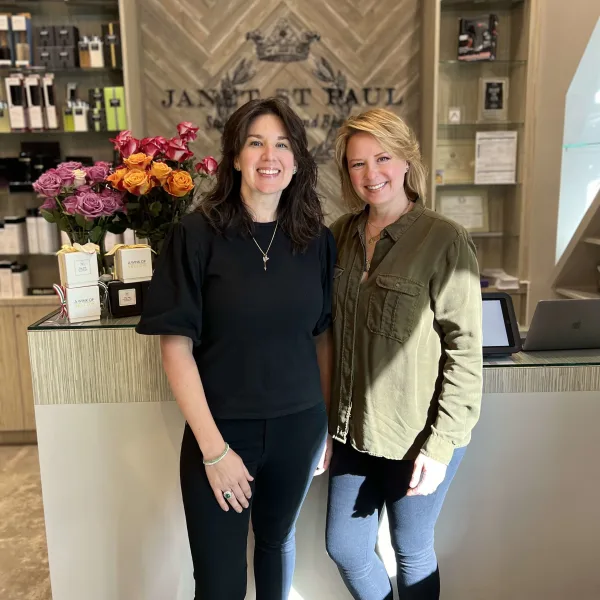
At Janet St. Paul Studio for Hair and Beauty, Director of Operations Natasha McMillen helps bring her wife Janet St. Paul's vision to life, elevating every system from education to operations.

Expand your color service menu with the Pinstripe technique. Brooks and Brooks' Marlon Hawkins walks you through the technique.