August is prime vacation time, which equals the perfect time to encourage them to stock up on sun-protective products. A new study reveals which states are the most concerned about sunburn.
August is prime vacation season, and the perfect time to retail any sun-protective products in your salon. A new study reveals the sunburn hotspots of the US, based on which states are searching for sunburn remedies the most. The research conducted by experts, CasinoRevisor analyzed 50 states based on the number of times per month each Googles a term related to sunburn.
The data includes 285 keywords, such as “how to treat sunburn,” “3rd degree sunburn,” “aloe vera for sunburn,” “home remedies for sunburn,” “sun poisoning rash,” and “how long does sunburn last.”
Ad Loading...
The number of searches for each term was then added to give a total for each state. This was then compared to the population to calculate the number of searches per 100,000 people.
So whether your salon is in one of these states or your clients are traveling to one this month, it's interesting to note the states most concerned about sunburn.
The top 10 states most concerned about sunburn
Hawaii
Florida
South Carolina
Delaware
West Virginia
North Carolina
Rhode Island
Alabama
Kentucky
Ohio
Hawaii is currently the state most concerned about sunburn, with a total average of 6,906 searches per month and 481 per 100,000 residents. Hawaii’s top search terms are “sun poisoning,” “sunburn,” and “sunburn blisters.”
Florida is the second sunburn hotspot of the US, with people in the state generating an average of 70,182 monthly searches, and 310 per 100,000 residents. Florida’s top search terms are “sun poisoning symptoms,” “sun poisoning rash,” and “sunburn blisters.”
Ad Loading...
South Carolina ranks third, with 236 average monthly searches per 100,000 residents and a total average of 12,735 per month. South Carolina’s top search terms are, “sun poisoning rash,” “sun poisoning symptoms,” and “sunburn”.
Delaware is the fourth state googling sunburn related phrases most, with a total average 215 per 100,000 residents and 2,223 searches per month. Delaware’s top search terms are, “sun poisoning rash,” “sun poisoning symptoms,” and “sunburn blisters.”
Ranking fifth is West Virginia, generating 214 searches per 100,000 residents and an average of 3,789 per month.
Rounding out the top ten states are North Carolina, Rhode Island, Alabama, Kentucky, and Ohio.
The state least concerned about sunburn is Alaska, generating just 50 monthly searches per 100,000 residents on average and a total 646 per month.
Ad Loading...
Franz Ostendorff, author of CasinoRevisor, has commented on the study findings: “'In many parts of the United States, such as Florida and Hawaii, the UV index can be very high, increasing the risk of sunburn. It is important for Americans to wear sunscreen, particularly in the summer months. SPF helps to protect the skin from UVB rays, which are primarily responsible for causing sunburn," she says. “Using sunscreen with an adequate SPF can significantly reduce the risk of sunburn, which can be damaging and painful to the skin. The FDA recommends that you use a broad spectrum of sunscreens with SPF values of 15 or higher regularly and as directed.”
Both systems capture vapors and dust right at the nail table. The difference is where that air goes next, and that one detail can decide whether your salon passes inspection.
Your guest decides what kind of salon this is in the first ten seconds, long before she is in the chair, and scent is the piece most owners leave to chance. Aura House co-owner Leif Frey lays out what ambient scent can and cannot do, why air quality is an engineering question rather than a fragrance one, and the four decisions that matter more than the scent you choose.
You do not need to be a therapist to listen well. You do need to know where your role begins and ends. In her first blog for SALON TODAY, Modjossorica (Rica) Elysée shares five ways you and your team members can respond with care.
Your body doesn't necessarily tell the difference between a promotion and a deadline. In her first wellness blog for SALON TODAY, Wellify Co-Founder Laura Fuqua explains why even good stress has an impact.
Popping up across the UK, Menopause Cafés are helping women seek professional help with their menopause journeys. What better place to play host to one of these gatherings than a spa?
New services on the menu can create new opportunities, but they can also expose your business to greater liability. SASSI's Kathy Lopez shares a few services that pose greater risk, discusses some of the mistakes owners make when expanding their menus, and lists simple risk management strategies.
From acrylic monomers to airborne bio-dust, the air inside a nail salon carries risks most professionals never see coming. Aerovex Systems reveals the source-capture and room-purification strategies that are setting a new standard for salon safety.
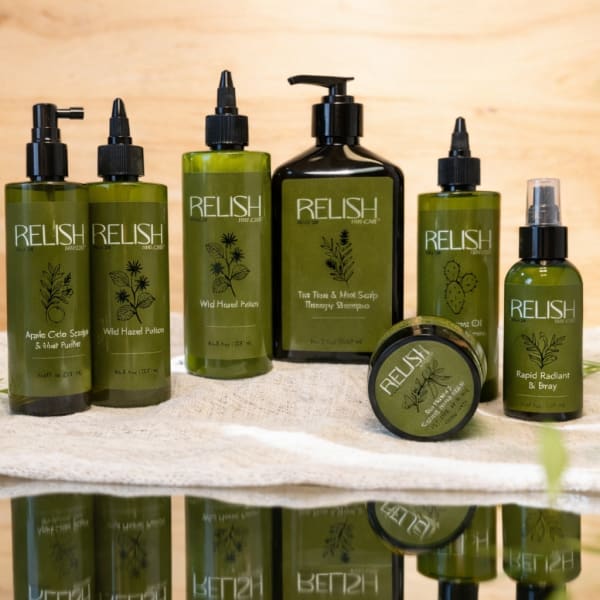
Good hair starts at the scalp. But most salons aren’t offering services or products that address scalp health. Relish, a new product line from the founders of Signature Formulations, has everything salons need to deliver an effective head spa service and offer guests a robust at-home scalp care line.
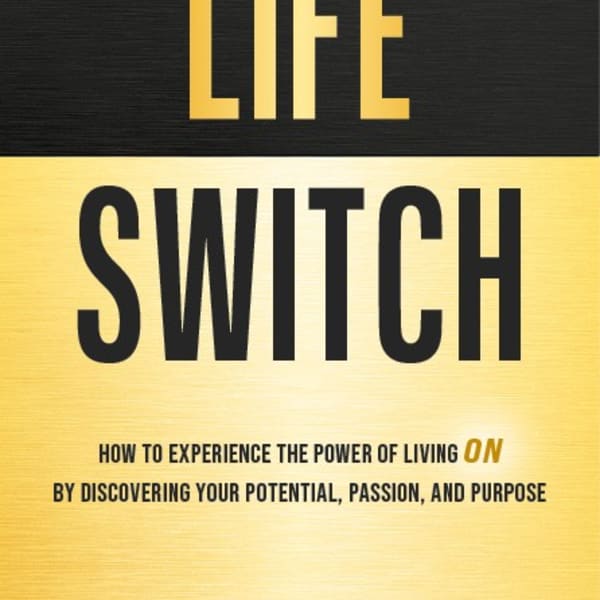
A new book by Joel Steele shows that the most powerful change people can make is to think differently if they want different results. The author believes in the 'Life Switch' so fervently that he's willing to donate $1 million from book sales when he sells his millionth copy.
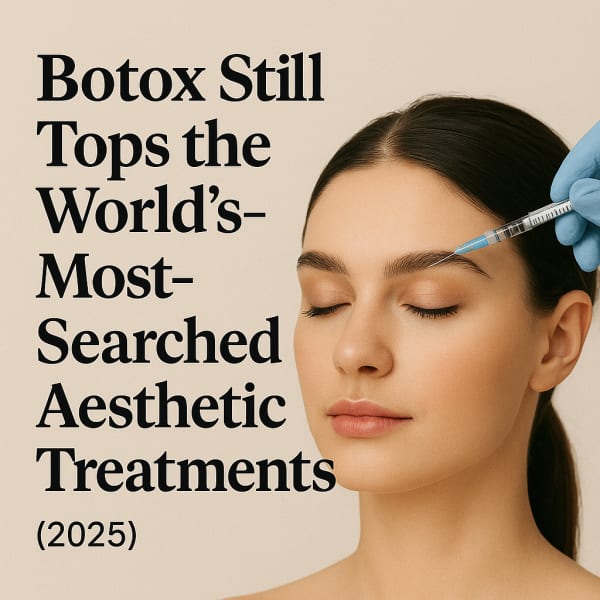
New global search data from beauty and wellness booking platform Fresha reveals that Botox remains the world’s most in-demand aesthetic treatment in 2025—but regenerative “tweakments” like polynucleotide injections, thread lifts and IV drips are seeing explosive growth across key markets.
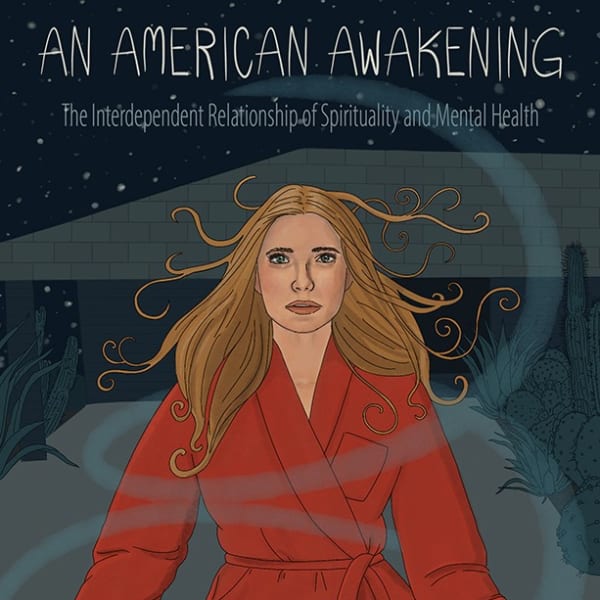
As rates of anxiety, depression, and substance use continue to climb across the U.S., conversations around mental health are more urgent than ever—yet one crucial perspective remains missing. In her captivating new book, Aymie Daniels introduces the little-known concept of “Spiritual Emergency” and opens a timely conversation about how America understands (and often mislabels) extreme psychological states.