Fueled by continued improvements in service and retail sales along with higher customer traffic levels, the Professional Beauty Association's (PBA) Salon/Spa Performance Index (SSPI) hit a record high in the first quarter of 2010. The SSPI—a quarterly composite index that tracks the health of, and outlook for, the U.S. salon/spa industry—stood at 10e.1 in the first quarter, up 0.5 percent from its fourth quarter level.
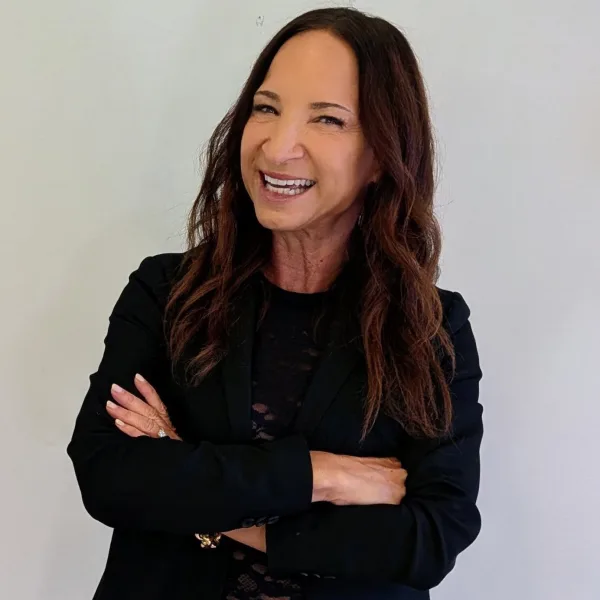
Sam Leyvas with Stacey Soble As the associate executive director of the Professional Beauty Association, Sam Leyvas provides an optimistic update from the Salon/Spa Performance Index, the quarterly composite index that tracks the health of the U.S. salon/spa industry.
Ad Loading...
Fueled by continued improvements in service and retail sales along with higher customer traffic levels, the Professional Beauty Association's (PBA) Salon/Spa Performance Index (SSPI) hit a record high in the first quarter of 2010. The SSPI-a quarterly composite index that tracks the health of, and outlook for, the U.S. salon/spa industry-stood at 10e.1 in the first quarter, up 0.5 percent from its fourth quarter level.
"Across the board, improvements were reported in the first quarter, including an increase in service and retail sales, key barometers for the industry," says Steve Sleeper, PBA's executive director. "The salon/spa industry continues to remain resilient and members and non-members alike remain highly optimistic for future growth."
The SSPI is based on the responses to PBA's Salon/Spa Industry Tracking Survey which is fielded quarterly among 800 salon/spa owners nationwide on a variety of indicators. It is constructed so that the health of the salon/spa industry is measured in relation to a steady-state level of 100. Index values above 100 indicate that key industry indicators are in a period of expansion, while index values below 100 represent a period of contraction. The Index consists of two components-the Current Situation Index and the Expectations Index.
Ad Loading...
The Current Situation Index, which measures current trends in five industry indicators (service sales, retail sales, customer traffic, employees/hours, and capital expenditures), stood at 100.5 in the first quarter-up 0.6 percent from its fourth quarter level. In addition, the Current Situation Index rose above 100 for the first time in the five-quarter history of the Salon/Spa Performance Index, which represents expansion in the current situation indicators.
The Expectations Index, which measures salon/spa owners' six-month outlook, considers the following five industry indicators: service sales, retail sales, employees and hours, capital expenditures, and business conditions. Results of this Index are encouraging and point toward broad based industry growth. Four out of five salon/spa owners expect to have higher service sales and retail sales in the months ahead. Optimism in the direction of the overall economy has prompted owners' plans to raise their number of staff and increase capital expenditures invested in either expansion or remodeling in the next six months.
Ad Loading...
In addition, the long-term outlook for job prospects in the salon and spa industry is very positive, according to newly released projections (december 2001) by the U.S. Bureau of Labor Statistics (BLS). According to BLS projections, "the number of personal appearance jobs at employment-based establishments will jump 31 percent between 2008 and 2018." Among personal appearance occupations, BLS expects the number of skin care specialists to grow by more than 50 percent between 2008 and 2018, while the number of hairdresser, hairstylist, and cosmetologist positions at employment-based establishments is expected to grow by 31 percent.
All beauty professionals should know how to identify when a client may need some health guidance. Tracy Rado discusses some common questions that clients ask in the chair, how to advise them, and when to refer them to a specialist.
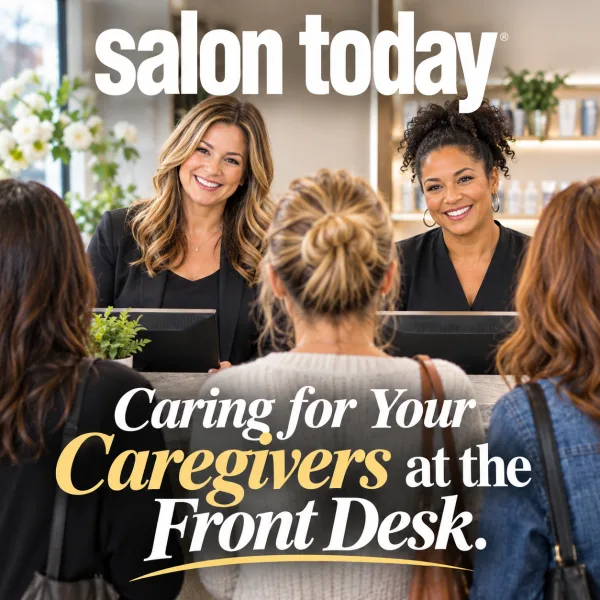
From managing air traffic on busy days to handling frustrated guests' complaints, your front desk team often serves as the salon's emotional shock absorber. From a customer service lesson from the DMV to a list of strategies for caring for your front line, our experts offer ideas for alleviating stress, celebrating wins, and setting goals.
According to the KIM Report, top-line salon revenue appears steady or slightly up, but that growth is driven primarily by service price increases. Beneath the surface, retail performance and client visit frequency (appointment drift) are under real pressure. In his latest blog, Alain Audet offers strategies for keeping your salon's retail sales strong.
Putting your family to work in the salon offers some real tax benefits, but you have you have to play by the rules of the tax code to claim them. Azarvand Tax Law's Leticia Skrabut, Esq., shows you how.
Discover how to create a true “WOW experience” for every client by first building a culture where your team feels engaged, empowered, and inspired. Drawing on Calvin Stovall’s Iconic Framework, this blog explores how salon, spa, and clinic leaders can strengthen culture, elevate customer experience, and build a business that stands out for the long term.
The wellness industry is growing fast, and salons and barbershops already are an important part of it. In her first blog, Tracy Rado shares where the wellness dollars are heading, and how salons can grow with this movement.
While salon sales are increasing, owners often feel they're working harder for the same or less profit. Leverage Q2 data from The KIM Report, Alain Audet reveals some of the structural changes that are dampening your growth and why your region and your salon size matters.
Weaknesses in your business are amplified during the Holiday Season. Spark Pro Global's Lucy Randall shows you five things to do now to have the strongest holiday season yet.
In Kati Whitledge's latest blog, she shares how salons have moved away from dress codes and embraced appearance standards. But by removing strict dress codes, some businesses may have unintentionally lowered their appearance standards. Whitledge helps you explain to your team why an appearance standard is important and how to smoothly implement a new appearance policy.
The Small Business Health Care Tax Credit is a non-refundable tax credit for for-profit businesses that provides a financial incentive for eligible employers who offer health insurance coverage to their employees. Leticia Skrabut, Esq., walks you through how to claim that credit.
Developing strong work habits early in one's career supports long-term success in the salon industry. Jesse Linares offers new stylists his top five tips.
Most salon owners have no idea what these numbers are.
You can hit record sales and still have a profit problem. The difference comes down to four numbers almost nobody was taught to track.
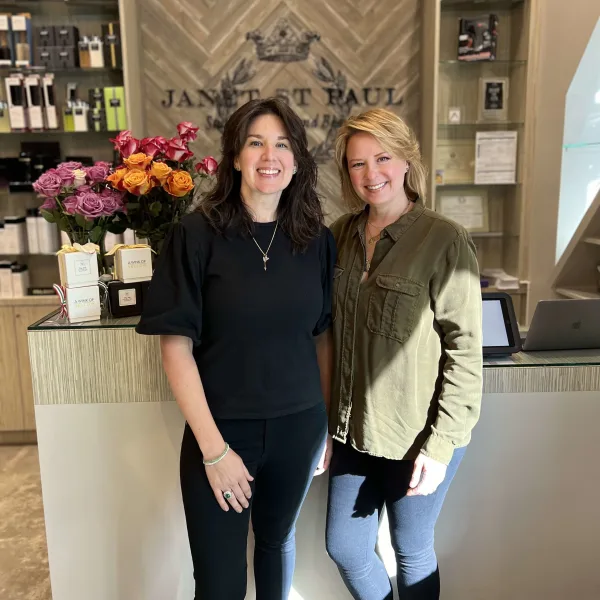
At Janet St. Paul Studio for Hair and Beauty, Director of Operations Natasha McMillen helps bring her wife Janet St. Paul's vision to life, elevating every system from education to operations.