"Stylists today are hungry to be with a tech-savvy salon, it's made me the place to be," says Freddie Berumen, Freddie B's in Ventura, California.
In the Ventura area just north of Los Angeles, California, Freddie Berumen, owner of Freddie B’s says having a salon business that is ahead of the technology curve makes him more marketable as potential employer. “Stylists today are hungry to be with a tech-savvy salon, it’s made me the place to be.”
For Berumen’s, any staff member can use a smartphone or tablet to access the salon’s software and appointment book at any time, and Berumen says that’s helped end the panicked early morning calls and tied-up phone lines to check schedules. “And when a stylist is out and about and runs into a client who wants an appointment, she can confidently pull out her phone and squeeze the client into the schedule,” he says.
Ad Loading...
This past January, Berumen and the team started using Yahoo Instant Messenger to communicate with the front desk. “The front desk would get congested with staff lingering trying to make a change to their own schedules or trying to make an accommodation for a certain guest, and I didn’t like the way that looked,” he says. “Now, we can text directly to the front desk and a little buzz goes off, alerting them to a message. A stylist can send an alert that she’s just finishing up with a client and she’ll be right up for the next one, or ask the desk to check something when they have a free moment. It’s been really useful.”
Like Fox, Berumen and his staff are using tablets in conjunction with Pinterest as Look Books for consultations, and he believes it sends a clear message to clientele that his staff are modern and current in their skill set. The salon uses tablets to connect to Flickr.com, a photo sharing website, where each stylist stores their images from photoshoots, weddings and regular clients. “Most of the images they take with their phones, and we’ve been impressed with how many new clients we get who have seen those online,” says Berumen. “Prospects also like the chair-side pictures stylists take with their phones as opposed to the professional shots because they know that it’s the real work, and it’s not been retouched.”
“We’re also doing more pre-booking at the chair using the tablet and not only does it free up the front desk, but it avoids that dance at the end when the client’s mind has already moved on to her next task for the day,” he says. “That allows the front desk staff more time to focus on up-selling more products while they are closing the transaction.”
All beauty professionals should know how to identify when a client may need some health guidance. Tracy Rado discusses some common questions that clients ask in the chair, how to advise them, and when to refer them to a specialist.
From managing air traffic on busy days to handling frustrated guests' complaints, your front desk team often serves as the salon's emotional shock absorber. From a customer service lesson from the DMV to a list of strategies for caring for your front line, our experts offer ideas for alleviating stress, celebrating wins, and setting goals.
According to the KIM Report, top-line salon revenue appears steady or slightly up, but that growth is driven primarily by service price increases. Beneath the surface, retail performance and client visit frequency (appointment drift) are under real pressure. In his latest blog, Alain Audet offers strategies for keeping your salon's retail sales strong.
Putting your family to work in the salon offers some real tax benefits, but you have you have to play by the rules of the tax code to claim them. Azarvand Tax Law's Leticia Skrabut, Esq., shows you how.
Discover how to create a true “WOW experience” for every client by first building a culture where your team feels engaged, empowered, and inspired. Drawing on Calvin Stovall’s Iconic Framework, this blog explores how salon, spa, and clinic leaders can strengthen culture, elevate customer experience, and build a business that stands out for the long term.
The wellness industry is growing fast, and salons and barbershops already are an important part of it. In her first blog, Tracy Rado shares where the wellness dollars are heading, and how salons can grow with this movement.
While salon sales are increasing, owners often feel they're working harder for the same or less profit. Leverage Q2 data from The KIM Report, Alain Audet reveals some of the structural changes that are dampening your growth and why your region and your salon size matters.
Weaknesses in your business are amplified during the Holiday Season. Spark Pro Global's Lucy Randall shows you five things to do now to have the strongest holiday season yet.
In Kati Whitledge's latest blog, she shares how salons have moved away from dress codes and embraced appearance standards. But by removing strict dress codes, some businesses may have unintentionally lowered their appearance standards. Whitledge helps you explain to your team why an appearance standard is important and how to smoothly implement a new appearance policy.
The Small Business Health Care Tax Credit is a non-refundable tax credit for for-profit businesses that provides a financial incentive for eligible employers who offer health insurance coverage to their employees. Leticia Skrabut, Esq., walks you through how to claim that credit.
Developing strong work habits early in one's career supports long-term success in the salon industry. Jesse Linares offers new stylists his top five tips.
Most salon owners have no idea what these numbers are.
You can hit record sales and still have a profit problem. The difference comes down to four numbers almost nobody was taught to track.
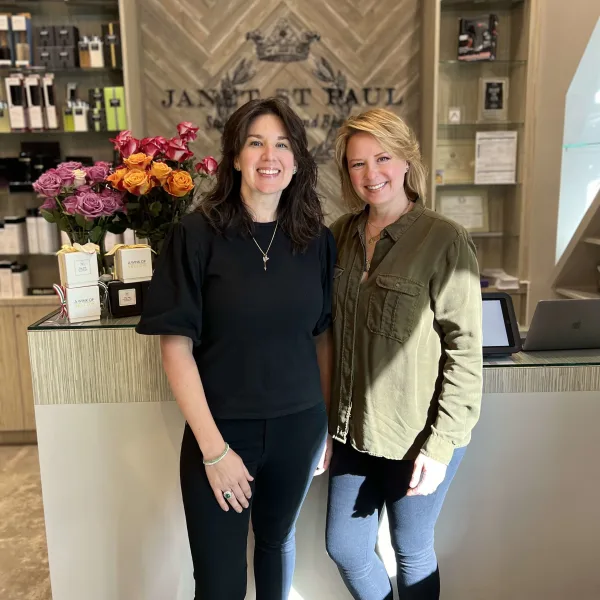
At Janet St. Paul Studio for Hair and Beauty, Director of Operations Natasha McMillen helps bring her wife Janet St. Paul's vision to life, elevating every system from education to operations.