Luxury home hair color lines, customized DIY color, and haircolor websites—David Adams and Virginia Meyer, the founders of Red Chocolate discuss your new color competition and how you can customize your services for a can't-beat experience.
As the founders of Red Chocolate, David Adams and Virginia Meyer built an advanced color education company that focuses on the business of hair color in addition to color technique. In January, Adams will share some of their color wisdom with the attendees of Serious Business in New Orleans, but first they spoke with Editor Stacey Soble about the changing landscape for color and how salons can stay competitive.
CLICK HERE to listen to the podcast recording of this interview.
Ad Loading...
ST: How do you perceive the environment of hair color changing?
Adams: The hair color service is changing not only inside the salon, but outside. Big name hairdressers are putting their names on home color that’s available at drugstores, websites are advising guests how to color their hair at home, and in Minneapolis, we have a new store where consumers can go in and be advised by professional hairdressers on what product to use which is package up for them to use at home. While budget dictates some of this, I think a lot of people are coloring their hair at home simply because they’ve been disappointed with the salon service. We’ve dumbed down the color service. We recently polled a lot of high-end salons in a major city and pulled their menus. They all offered the same thing—highlights and all-over color, maybe a color correction.
ST: What do you think salons should be doing to compete?
Adams: There’s a huge opportunity for us to rethink the color service, to truly customize the service for each client. To look at the cut, the face shape, the skin tone, and the eye color and create something truly fantastic for each client. We need to get away from the menu. We don’t say to a client, ‘Do you want a bob or a long layer today?’ We need to give our guests color options, and we need to make sure they have all the knowledge upfront, such as how long it’s going to take and how much it’s going to cost.
Meyer: The business side of custom color is really about helping salons move away from color services placed on a menu and really moving into this idea of pricing the service based on the time taken and the product used…we find that to be quite liberating for the hairdresser and the customer.
Ad Loading...
ST: What does a custom color appointment look like?
Adams: We work off a service wheel we think really give the guest the most perfect color service, from how we great and welcome the guest, how we and our salons look, how to conduct a perfect consultation, how to formulate, how to pick from a variety of techniques, pricing and how to talk about money, and how to talk about home maintenance, how to style and finish, and how to say goodbye.
ST: When you have a salon look at color from a customized approach, what kind of impact does that have on the bottom line?
Meyer: With the kind of education we do, we measure everything. We look at on average prior to adopting custom color, what are clients spending on average on their hair color and we see huge increases. For example, we just met with a salon who when they started with us had an average $54 color ticket, now they’re at $140.. And, that’s not about increasing the price, that is about legitimately adding more value to the color service.
CLICK HERE to learn more about Serious Business 2012 or purchase tickets.
All beauty professionals should know how to identify when a client may need some health guidance. Tracy Rado discusses some common questions that clients ask in the chair, how to advise them, and when to refer them to a specialist.
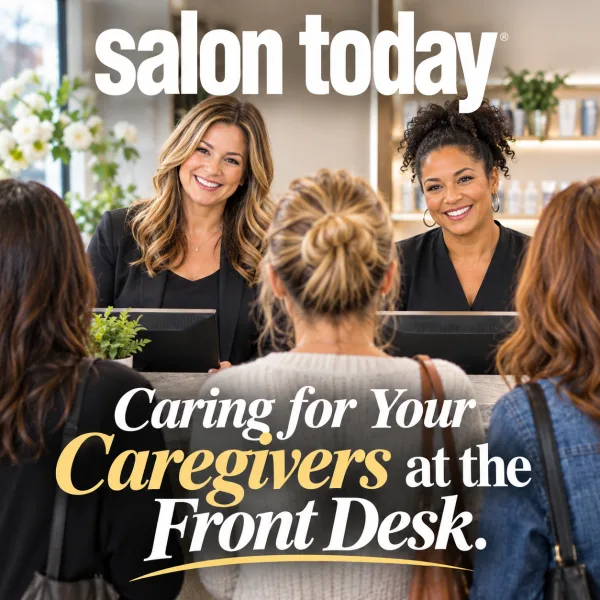
From managing air traffic on busy days to handling frustrated guests' complaints, your front desk team often serves as the salon's emotional shock absorber. From a customer service lesson from the DMV to a list of strategies for caring for your front line, our experts offer ideas for alleviating stress, celebrating wins, and setting goals.
According to the KIM Report, top-line salon revenue appears steady or slightly up, but that growth is driven primarily by service price increases. Beneath the surface, retail performance and client visit frequency (appointment drift) are under real pressure. In his latest blog, Alain Audet offers strategies for keeping your salon's retail sales strong.
Putting your family to work in the salon offers some real tax benefits, but you have you have to play by the rules of the tax code to claim them. Azarvand Tax Law's Leticia Skrabut, Esq., shows you how.
Discover how to create a true “WOW experience” for every client by first building a culture where your team feels engaged, empowered, and inspired. Drawing on Calvin Stovall’s Iconic Framework, this blog explores how salon, spa, and clinic leaders can strengthen culture, elevate customer experience, and build a business that stands out for the long term.
The wellness industry is growing fast, and salons and barbershops already are an important part of it. In her first blog, Tracy Rado shares where the wellness dollars are heading, and how salons can grow with this movement.
While salon sales are increasing, owners often feel they're working harder for the same or less profit. Leverage Q2 data from The KIM Report, Alain Audet reveals some of the structural changes that are dampening your growth and why your region and your salon size matters.
Weaknesses in your business are amplified during the Holiday Season. Spark Pro Global's Lucy Randall shows you five things to do now to have the strongest holiday season yet.
In Kati Whitledge's latest blog, she shares how salons have moved away from dress codes and embraced appearance standards. But by removing strict dress codes, some businesses may have unintentionally lowered their appearance standards. Whitledge helps you explain to your team why an appearance standard is important and how to smoothly implement a new appearance policy.
The Small Business Health Care Tax Credit is a non-refundable tax credit for for-profit businesses that provides a financial incentive for eligible employers who offer health insurance coverage to their employees. Leticia Skrabut, Esq., walks you through how to claim that credit.
Developing strong work habits early in one's career supports long-term success in the salon industry. Jesse Linares offers new stylists his top five tips.
Most salon owners have no idea what these numbers are.
You can hit record sales and still have a profit problem. The difference comes down to four numbers almost nobody was taught to track.
At Janet St. Paul Studio for Hair and Beauty, Director of Operations Natasha McMillen helps bring her wife Janet St. Paul's vision to life, elevating every system from education to operations.