








You Don't Own a Salon. You Own A Business.
In his latest blog, Leon Alexander Ph.D., challenges industry conventional thinking to help owners add more to their bottom lines.
 MENU
MENU SEARCH
Read how 5 salon leaders answer these questions: How do you practice effective leadership in your salon? Which three words do you think describe a strong leader? Do you discuss with your employees the importance of leadership in salon meetings? How do you encourage your employees to take initiative? Who is the leader in the salon? Is there a senior management structure in your salon?
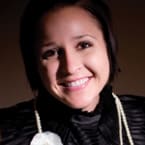
Jen Lewis
Salon Operations Director, Nurtur the Salon, Columbus, OH
nurtursalon.com
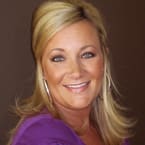
Sarah Wisda
Co-owner, Aura Salon & Day Spa, Scottsdale, AZ
aura-salon.com
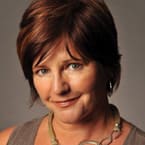
Venessa Lanier
Owner, Salon/Spa Venessa, Woodstock, GA
salonvenessa.com

Heather Hazlett
Director, Operations, Spa Bleu, West Dundee, IL
spa-bleu.com
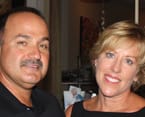
Pete and Sheri Polignone
Owners, Rituals Salon-Spa, Midlothian, VA
ritualssalon.com
How do you practice effective leadership in your salon?
Jen: Leading by example. My expectations of my team members are to deliver the highest level of guest care in a professional setting. I represent that in our salon initiatives and interactions with our guests and team, while working synergistically with my other leaders for their involvement.
Sarah: By meeting with our team members on a regular basis, communicating their goals and having fierce conversations, my partner Christy and I can coach them, provide inspiration and support them in their personal and professional journeys.
Venessa: As a service provider, I lead by example. I don't ask or expect my team to do anything that I do not do. But as an owner I wear many hats, so I have solid systems in place that allow my team to be successful.
Heather: The key to my leadership style is constant communication between our leaders and staff. Clearly communicating our vision, our goals, and our mission is what keeps the team focused.
Polignones: We discuss our expectations with our employees and confirm them. We tell them our objectives and then follow through with our promises. It's that straight talk and transparencies in our leadership and business model that makes us effective leaders.
Which three words do you think describe a strong leader?
Jen: Someone who listens, empowers and coaches.
Sarah: Committed, passionate, optimistic
Venessa: Integrity, vision, commitment
Heather: Confident, no compromise, genuine
Polignones: Engaged, passionate and committed
Do you discuss with your employees the importance of leadership in salon meetings?
Jen: I have had the pleasure of going through Steven Covey's Seven Habits of Highly Effective People. I taught this course over several months to my team and I reward the behaviors I expect by giving recognition in our team meetings.
Sarah: Absolutely! Our team is hand-picked for their commitment and passion for their craft. We demonstrate with our team the importance of knowledge, communication and confidence.
Venessa: In our staff meetings we positively focus on strengthening our business brand by how we serve our guests through the guest experience and education.
Heather: We continue to stress the importance of leadership in our monthly salon celebrations. We recently held a round-table for our coaches and gave them an opportunity to learn from each other and share ideas, which in return made them stronger leaders with a voice.
Polignones: All employees are empowered to become leaders. We discuss in our meetings the importance of being responsible for taking the lead to reach their personal goals and to praise their fellow employee's strengths.
How do you encourage your employees to take initiative?
Jen: I always reassure them that I will back them up with whatever decision they make. I support my team members to take action, but I think self-discovery is the best way to learn their role.
Sarah: By discovering where their passion lies, we can help them develop their career paths, so they are able to have direction, achieve their goals and grow.
Venessa: We provide them with the necessary tools in their tool kit to do the job, and then we ask them to take ownership of their work.
Heather: During our monthly one-on-one coaching sessions we try to bring out the leadership qualities in all of our key employees. We hold our employees accountable for their growth which depends on them taking initiative as well.
Polignones: We have quarterly performance reviews that are tied to each employee's personal and financial success. We monitor their progress and give suggestions on how to reach outside their comfort level.
Who is the leader in the salon?
Jen: The entire management team.
Sarah: That lies within everyone.
Venessa: We have many leaders on our team.
Heather: The vision of our salon comes from the owner. However, it takes our entire Leadership Team to make that a reality.
Polignones: Our leadership team is composed of eight employees from various departments.
Is there a senior management structure in your salon?
Jen: Patrick Thompson is the owner of our salon. As the salon director, I am responsible for running day-to-day business operations. Within the salon, I created a leadership management team to provide structure to the salon team.
Sarah: Yes. We happen to be in a fortunate situation where my expertise lies in the spa, one of my business partners is in the salon, and the other is in the business/financial department.
Venessa: In day-to-day operations we have managers who oversee any challenges that may arise.
Heather: Our structure is as follows: owner, director of operations, manager, team leaders, coaches.
Polignones: We have a 2-tired senior management structure in our salon. Our leadership team is composed of eight employees who make and manage policies. Then their decisions are passed to a smaller management team that reviews the financial and logistic requirements for the implementation process.
In his latest blog, Leon Alexander Ph.D., challenges industry conventional thinking to help owners add more to their bottom lines.
In her latest blog, Amy Pal helps you develop your own clear guidelines around complimentary free employee services.
From managing air traffic on busy days to handling frustrated guests' complaints, your front desk team often serves as the salon's emotional shock absorber. From a customer service lesson from the DMV to a list of strategies for caring for your front line, our experts offer ideas for alleviating stress, celebrating wins, and setting goals.

According to the KIM Report, top-line salon revenue appears steady or slightly up, but that growth is driven primarily by service price increases. Beneath the surface, retail performance and client visit frequency (appointment drift) are under real pressure. In his latest blog, Alain Audet offers strategies for keeping your salon's retail sales strong.
Putting your family to work in the salon offers some real tax benefits, but you have you have to play by the rules of the tax code to claim them. Azarvand Tax Law's Leticia Skrabut, Esq., shows you how.

Discover how to create a true “WOW experience” for every client by first building a culture where your team feels engaged, empowered, and inspired. Drawing on Calvin Stovall’s Iconic Framework, this blog explores how salon, spa, and clinic leaders can strengthen culture, elevate customer experience, and build a business that stands out for the long term.
Sponsored by Phorest Salon Software
The wellness industry is growing fast, and salons and barbershops already are an important part of it. In her first blog, Tracy Rado shares where the wellness dollars are heading, and how salons can grow with this movement.

While salon sales are increasing, owners often feel they're working harder for the same or less profit. Leverage Q2 data from The KIM Report, Alain Audet reveals some of the structural changes that are dampening your growth and why your region and your salon size matters.
Weaknesses in your business are amplified during the Holiday Season. Spark Pro Global's Lucy Randall shows you five things to do now to have the strongest holiday season yet.

In Kati Whitledge's latest blog, she shares how salons have moved away from dress codes and embraced appearance standards. But by removing strict dress codes, some businesses may have unintentionally lowered their appearance standards. Whitledge helps you explain to your team why an appearance standard is important and how to smoothly implement a new appearance policy.
The Small Business Health Care Tax Credit is a non-refundable tax credit for for-profit businesses that provides a financial incentive for eligible employers who offer health insurance coverage to their employees. Leticia Skrabut, Esq., walks you through how to claim that credit.

Developing strong work habits early in one's career supports long-term success in the salon industry. Jesse Linares offers new stylists his top five tips.

Most salon owners have no idea what these numbers are. You can hit record sales and still have a profit problem. The difference comes down to four numbers almost nobody was taught to track.
Sponsored by Strata Salon Systems™

A five-area audit every owner-dependent salon needs to run. You built something that looks successful. Now find out if it can survive without you.
Sponsored by Strata Salon Systems™

Every month you put off fixing the problem, it gets bigger, more expensive, and harder to solve.
Sponsored by Strata Salon Systems™
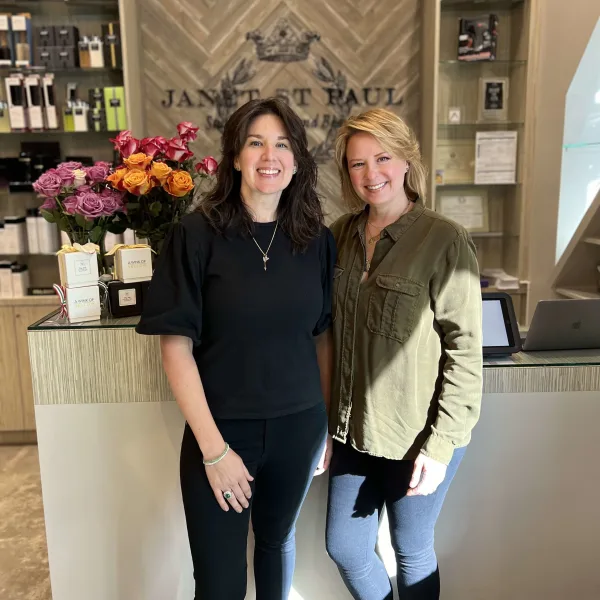
At Janet St. Paul Studio for Hair and Beauty, Director of Operations Natasha McMillen helps bring her wife Janet St. Paul's vision to life, elevating every system from education to operations.

Expand your color service menu with the Pinstripe technique. Brooks and Brooks' Marlon Hawkins walks you through the technique.