A Certified Mindful Self-Compassion Teacher from the University of California, San Diego, Julie Potiker created SNAP — evidence-based mindfulness practices that are easy to learn, remember, and use anywhere (even in the heat of the moment). Here’s how it works.
by Staff
April 2, 2025
When someone tells you to snap out of it, think about this gentle method of mindfulness.
How you can SNAP out of stress and into a state of calm.
A Certified Mindful Self-Compassion Teacher from the University of California, San Diego, Potiker created SNAP — evidence-based mindfulness practices that are easy to learn, remember, and use anywhere (even in the heat of the moment). Here’s how it works:
Ad Loading...
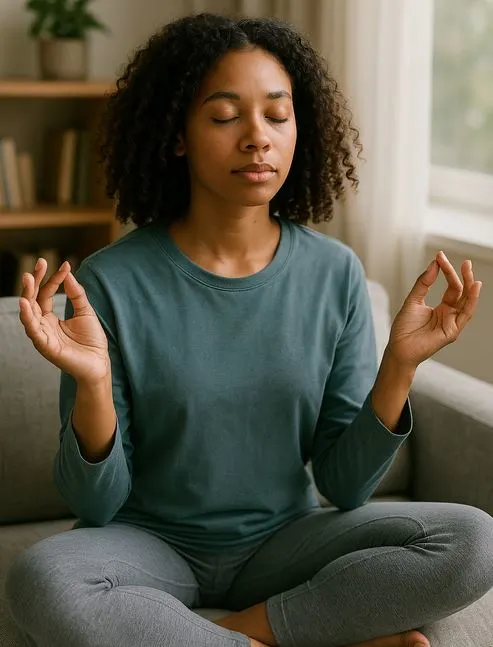
Soothing touch gives your body a head start in calming down. It taps into your body’s mammalian caregiver response, releasing oxytocin and opiates in your brain to counteract cortisol, the stress hormone. So, place your hands where you find it soothing. Practice placing your hands on your heart, your belly, cheeks, upper arms in a hug, hands holding hands. Use whatever placement comforts you most.
Name your feeling: “I’m feeling frustrated. I feel upset. I feel scared. I feel angry.” Labeling the emotion engages the thinking brain and calms your system down. Drop into the emotion and see what’s there. Avoid judging it. Simply observe with curiosity. This is the heart of what mindfulness is all about. It takes practice, but soon you’ll be able to tune in and notice what’s happening inside you. Once you notice these feelings, you can work with them, giving yourself room to breathe and changing your relationship to them.
A former attorney, Julie is a Certified Mindful Self-Compassion teacher and founder of the Balanced Mind Meditation Center in La Jolla, California. She began her in-depth study of mindfulness after graduating from the Mindfulness-Based Stress Reduction program at the University of California, San Diego. She was trained by Kristin Neff, Christopher Germer, and UCSD as a Mindful Self-Compassion Teacher. She went on to study with Rick Hanson, becoming a graduate of his Positive Neuroplasticity Training Professional Course. Julie also completed Brené Brown’s Living Brave Semester.
Photo Credit: www.joshmitchellphotography.com
Act: Ask yourself: 1. What do I need to hear right now? Then tell it to yourself. 2. What do I need to do right now to shift my mood? Then do what you can reasonably do in the moment. You might try a breathing exercise, breathing in for a count of four and out for a count of six, doing this for three to five breath cycles. This will lower your heart rate and blood pressure. After that, you will be in a calmer state to choose another tool to make you feel good!
Praise: Give yourself a pat on the back for managing the situation with aplomb! Thank your teachers, thank your deity — all this thanking moves you into feelings of gratitude, which is beneficial for mental health.
About Julie Potiker: Julie Potiker is a mindfulness expert with extensive certifications and teacher training in a variety of tools and methods, including Mindful Self-Compassion. Her latest book is “SNAP! From Chaos to Calm.” Through her Mindful Methods for Life program offerings, Julie helps others bring more peace and wellness into their lives. “SNAP!” as well as Julie's first book, “Life Falls Apart, but You Don’t Have To: Mindful Methods for Staying Calm in the Midst of Chaos," are now available on audiobook. Learn more at MindfulMethodsForLife.com
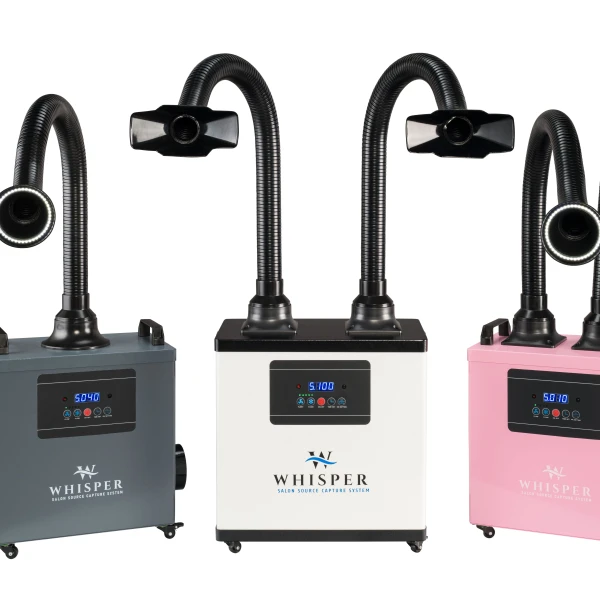
Both systems capture vapors and dust right at the nail table. The difference is where that air goes next, and that one detail can decide whether your salon passes inspection.
Your guest decides what kind of salon this is in the first ten seconds, long before she is in the chair, and scent is the piece most owners leave to chance. Aura House co-owner Leif Frey lays out what ambient scent can and cannot do, why air quality is an engineering question rather than a fragrance one, and the four decisions that matter more than the scent you choose.
You do not need to be a therapist to listen well. You do need to know where your role begins and ends. In her first blog for SALON TODAY, Modjossorica (Rica) Elysée shares five ways you and your team members can respond with care.
Your body doesn't necessarily tell the difference between a promotion and a deadline. In her first wellness blog for SALON TODAY, Wellify Co-Founder Laura Fuqua explains why even good stress has an impact.
Popping up across the UK, Menopause Cafés are helping women seek professional help with their menopause journeys. What better place to play host to one of these gatherings than a spa?
New services on the menu can create new opportunities, but they can also expose your business to greater liability. SASSI's Kathy Lopez shares a few services that pose greater risk, discusses some of the mistakes owners make when expanding their menus, and lists simple risk management strategies.
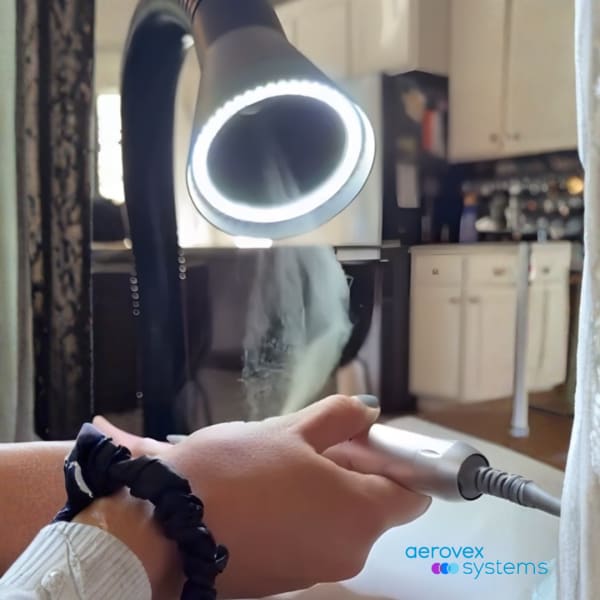
From acrylic monomers to airborne bio-dust, the air inside a nail salon carries risks most professionals never see coming. Aerovex Systems reveals the source-capture and room-purification strategies that are setting a new standard for salon safety.
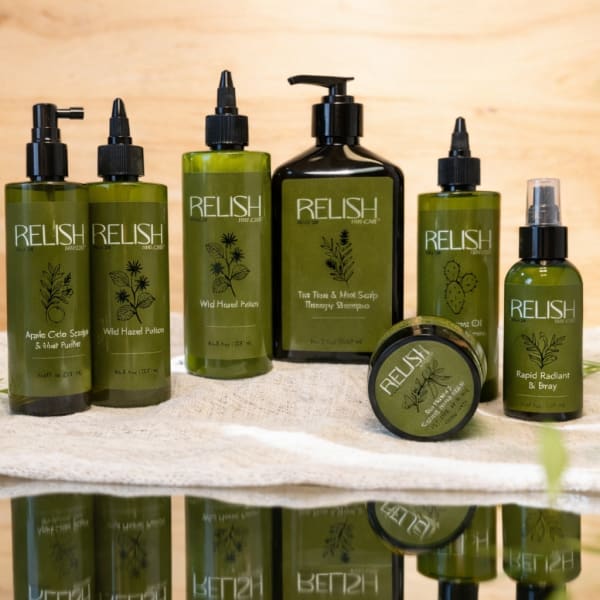
Good hair starts at the scalp. But most salons aren’t offering services or products that address scalp health. Relish, a new product line from the founders of Signature Formulations, has everything salons need to deliver an effective head spa service and offer guests a robust at-home scalp care line.
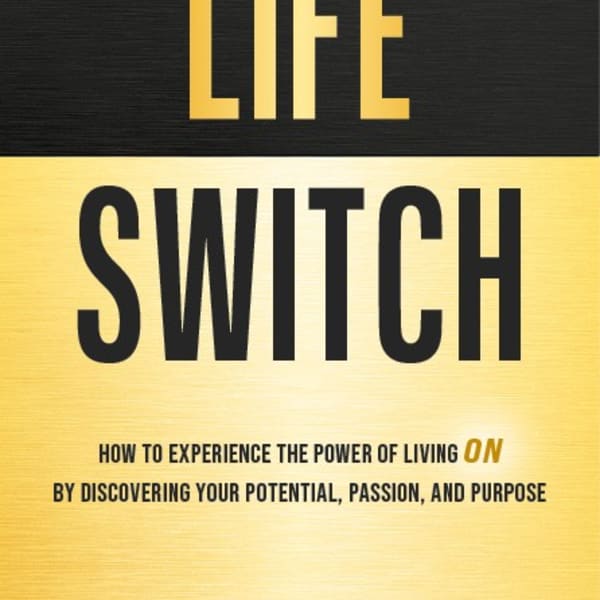
A new book by Joel Steele shows that the most powerful change people can make is to think differently if they want different results. The author believes in the 'Life Switch' so fervently that he's willing to donate $1 million from book sales when he sells his millionth copy.
New global search data from beauty and wellness booking platform Fresha reveals that Botox remains the world’s most in-demand aesthetic treatment in 2025—but regenerative “tweakments” like polynucleotide injections, thread lifts and IV drips are seeing explosive growth across key markets.
As rates of anxiety, depression, and substance use continue to climb across the U.S., conversations around mental health are more urgent than ever—yet one crucial perspective remains missing. In her captivating new book, Aymie Daniels introduces the little-known concept of “Spiritual Emergency” and opens a timely conversation about how America understands (and often mislabels) extreme psychological states.