








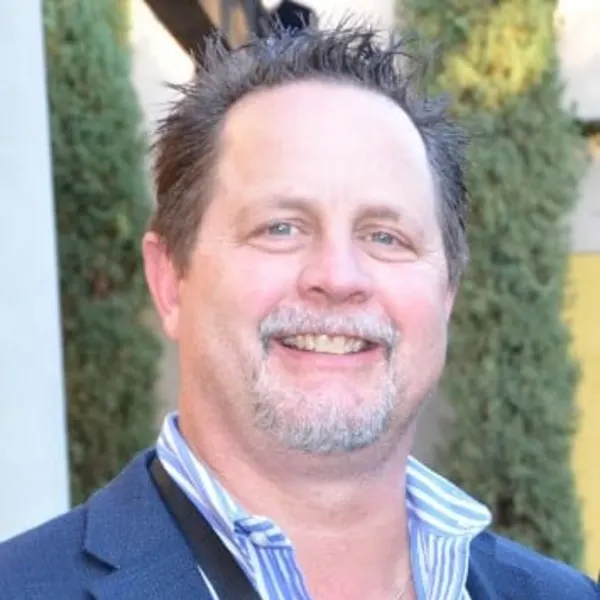
Kelly Huether Reacquires Life of Riley and Riley Salon Resources
Life of Riley Salon Supply and Riley Salon Resources are back in the family, as Kelly Huether acquires the professional distributor he co-founded in 2013.
by Staff
 MENU
MENU SEARCH
Paul Dykstra, CEO, talks about the value of attending and exhibiting at America's Beauty Show and the many ways attendance translates into support for the professional beauty industry.
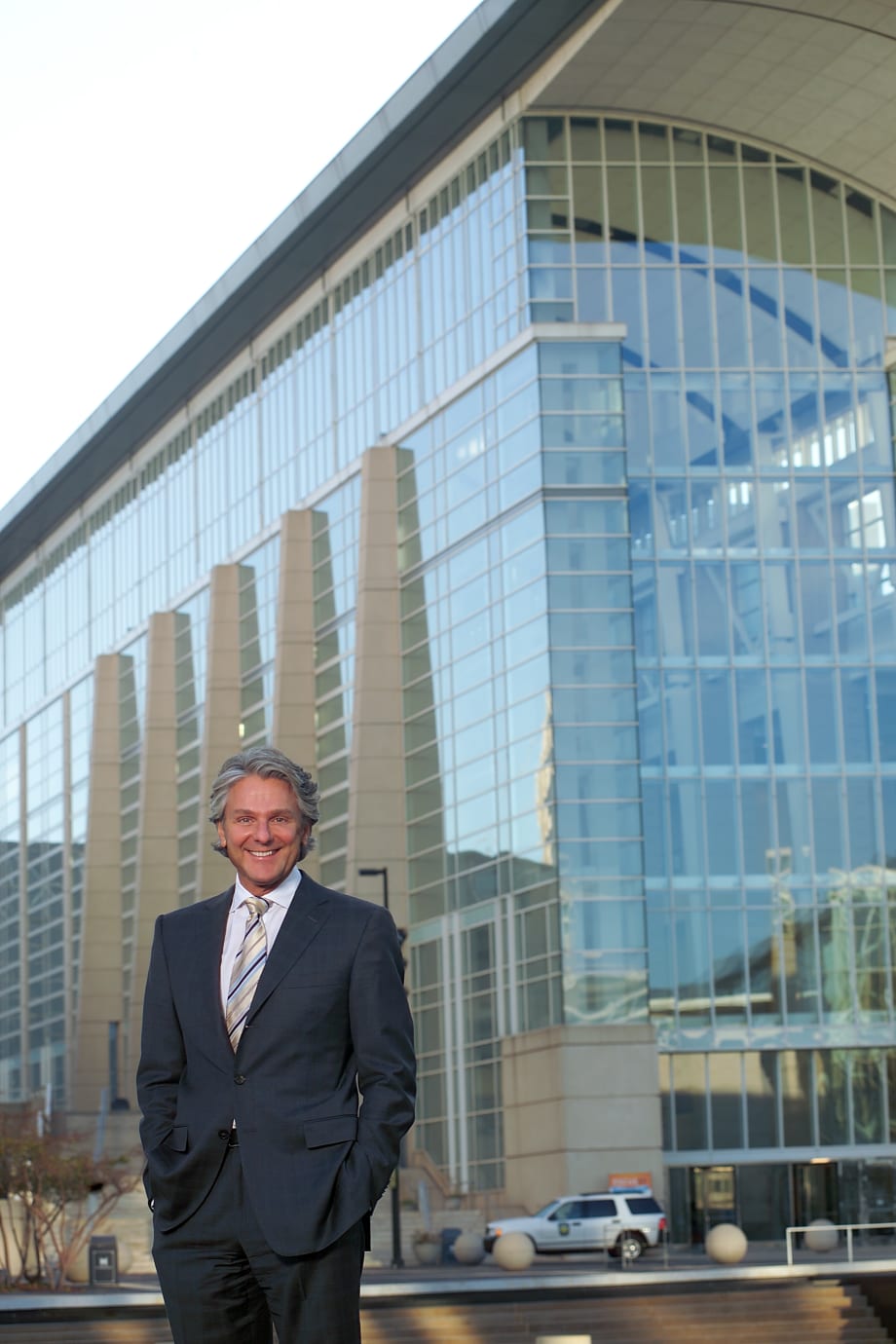
Paul Dykstra
ABS
America’s Beauty Show (ABS) is the force that runs the not-for-profit association Cosmetologists Chicago (CC). With more than 17,000 members, CC supports all segments of the professional beauty industry – students and schools, salon/spa owners, salon professionals, independent contractors, distributors and manufacturers.
Paul Dykstra, CEO, started with CC/ABS in 1986 and took over full management leadership in 1997. We asked him to talk about the value of attending and exhibiting at ABS and the many ways CC and ABS, together, support the professional beauty industry.
MS: What is different about ABS from other industry trade show?
PD: I don’t think a lot of people understand that the financial benefits of the show aren’t funding a private corporation, they are funding the industry, and to, in turn, benefit the salon professional. We’re a not-for-profit specifically focused on the working professional and the salon owner. We fund scholarships, we fund thousands of hours of solid education, we fund regulatory efforts, and we fund our advocacy for salons in our marketplace. This past year, we worked with other industries to make sure that someone who couldn’t pay back their loan wouldn’t lose their license (and their ability to pay back the loan).
As an association, all the money from the show goes back into viability for the salon industry.
MS: In your experience, why do you think it’s important that manufacturers start or continue to have a presence at ABS?
PD: Exhibitors can get too internalized; this show is not just to find new customers but also to reinforce their brand value. In conversations with a salon owner, someone who owns several very successful locations, he talked about how his team utilizes a trade show; on the floor, they immediately look for the brands carried in their salons and if they aren’t at a show, they wonder why they should be carrying that line. When manufacturers opt not to be there, they are missing a huge opportunity to reinforce their relationships with the beauty professional.
We also do post-show surveys to ask about attendee’s experience and what they were hoping to accomplish-- what brands they wanted to see, which they’d like to see in the future—and if a manufacturer who had always had a big presence at the show has opted out for a couple of years, the attendees don’t request them anymore. Also, because of where we are located, in the Midwest, if a manufacturer isn’t exhibiting, they are missing a chance to connect with about 30 percent of the country.
MS: How can attendees get the most out of being at the show?
PD: We have about 37,000 people walking through and approximately 50%, annually, who have never been at the show before. Most will visit at least twice during the show.
New tools mean attendees can virtually walk the show and plan in advance before they physically walk through the doors. It is an enormous building, with so much to be seen on the exhibit floor alone, and then we add in 70 workshops, 110 more for product knowledge, along with stages on our exhibit floor. If you haven’t planned ahead, you could get overwhelmed instead of showing up with a purpose and a plan.
MS: Finally, please talk about the Beauty Changes Lives Gala happening during ABS.
PD: We are so humbled and so honored that the Beauty Changes Lives Gala is at our event annually. In the past, our industry benefited from federal funding but I don’t think that is going to be available in the same way. The Beauty Changes Lives Foundation and the gala helps to remind everyone that our industry needs to work together to pull itself up and to support its growth.”
Life of Riley Salon Supply and Riley Salon Resources are back in the family, as Kelly Huether acquires the professional distributor he co-founded in 2013.
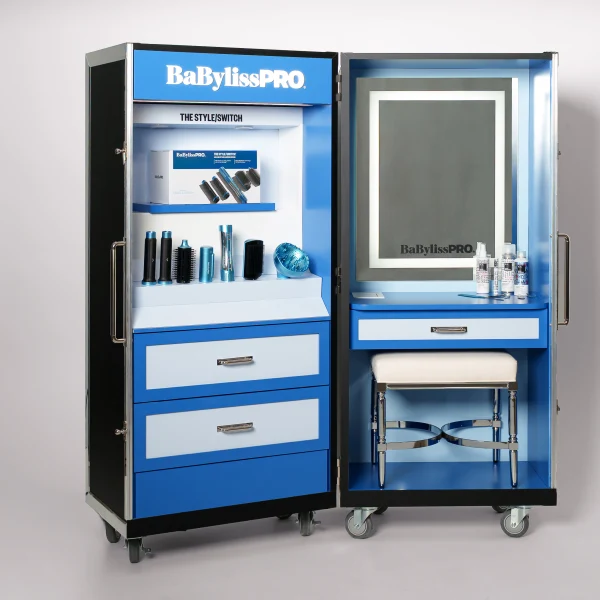
BaBylissPRO and IGK have partnered to launch the BaBylissPRO Studio Trunk, transforming the professional tool brand’s digital Style Studio into a physical experience for the first time in its sixty-year history.
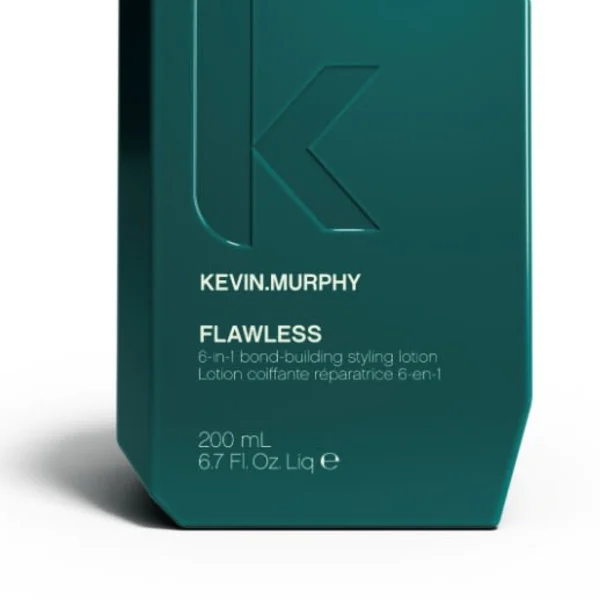
KEVIN.MURPHY's Flawless combines hair repair and styling benefits using KM.Re.Bond technology.
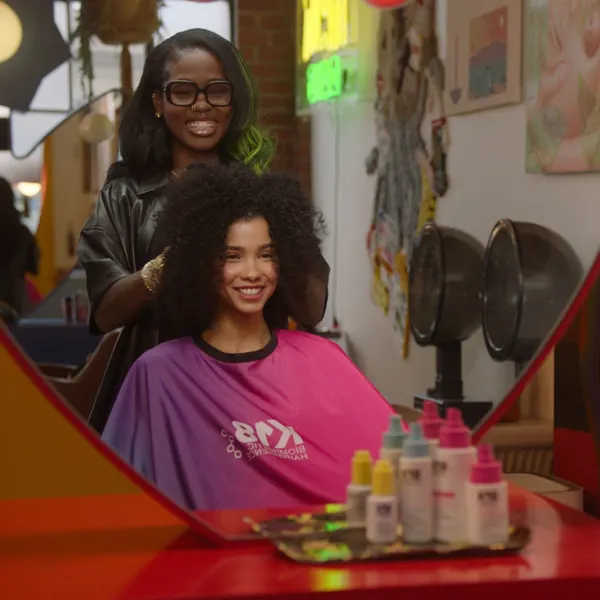
K18 Biomimetic Hairscience has partnered with Beauty Changes Lives to launch the K18 Future of Hair Scholarship, aiming to support aspiring professional stylists by reducing financial barriers to cosmetology education.
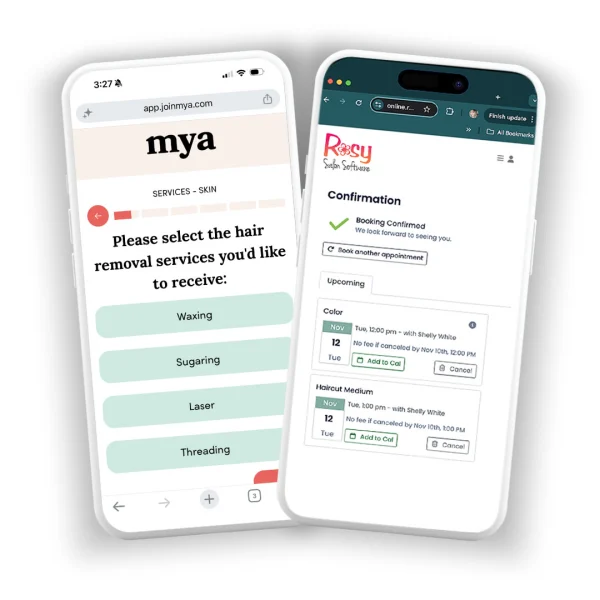
Rosy Salon Software integrates with Mya, empowering salons, spas, and barbershops to transform their websites into powerful, automated lead-generation machines.
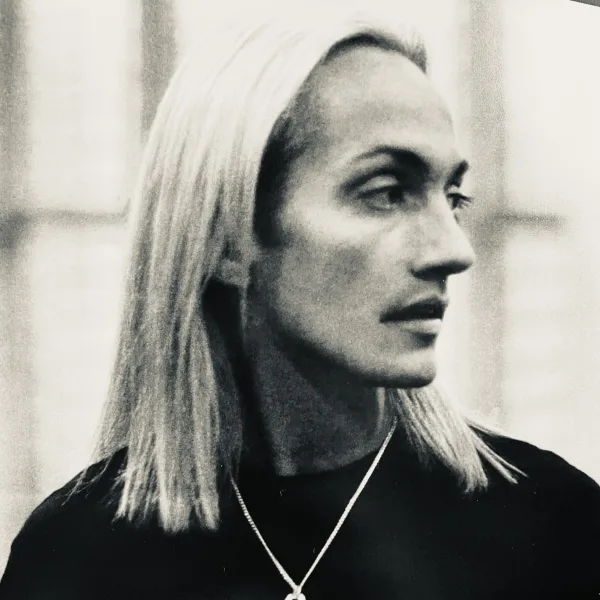
Known for his buttery blondes and a technique for highlighting hair with more precision that he called chunking, Brad Johns died on August 27. His friend and fellow colorist, David Stanko, shares thoughts on his talented colleague and close friend.
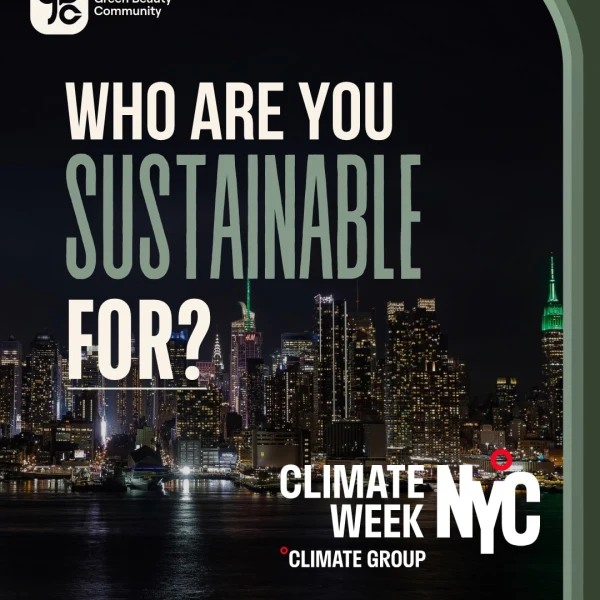
The Green Beauty Community Foundation convenes beauty brands, salon-industry leaders, educators, and sustainability organizations for a collaborative professional beauty gathering on September 23rd in New York.
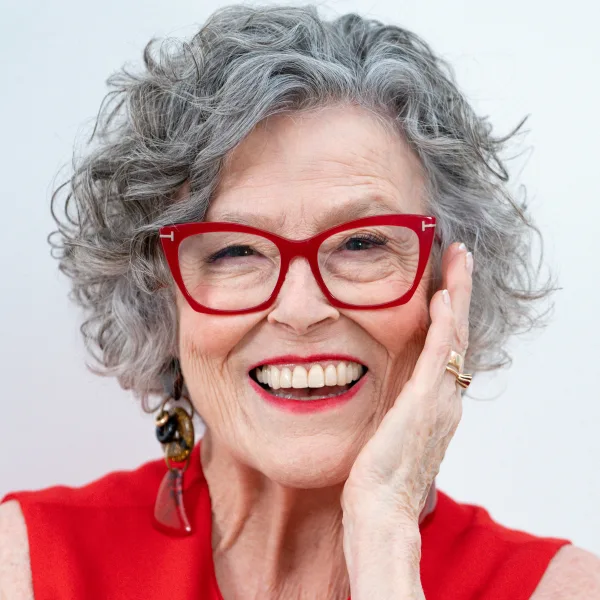
At 80, global feminist, former marriage and family therapist, executive coach, and powerlifter Barrie Zucal shows women how to stop letting “debilitating goodness” derail their dreams. Her empowering new book, BOLD: How Women Play BIG by Leading Instead of Pleasing, calls out the quiet conditioning that holds women back from achieving their ambitions — and shows them how to free themselves.
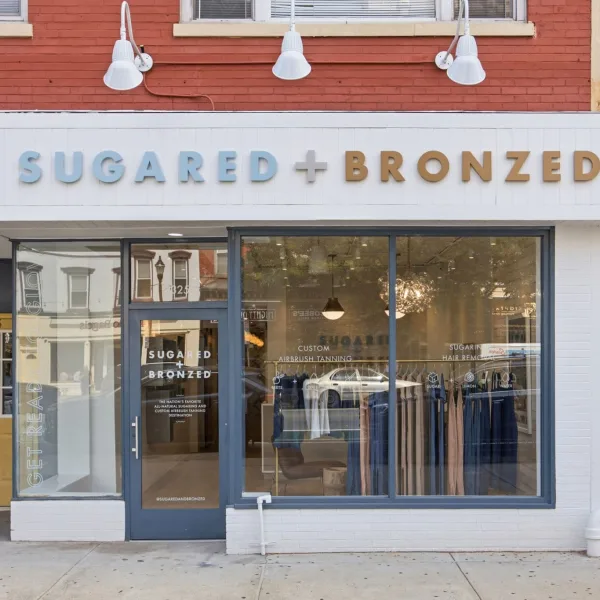
From a Santa Monica apartment startup to the nation's largest sugaring and sunless tanning brand, SUGARED + BRONZED reaches a major milestone with 50 locations across 10 markets.
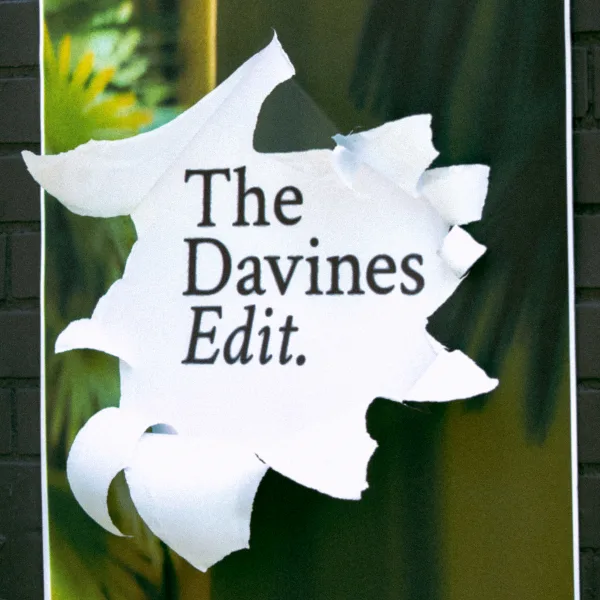
The Davines Edit reflects the brand’s passion for people and planet.