









The Nail Salon Ventilation Code Every Owner Should Know
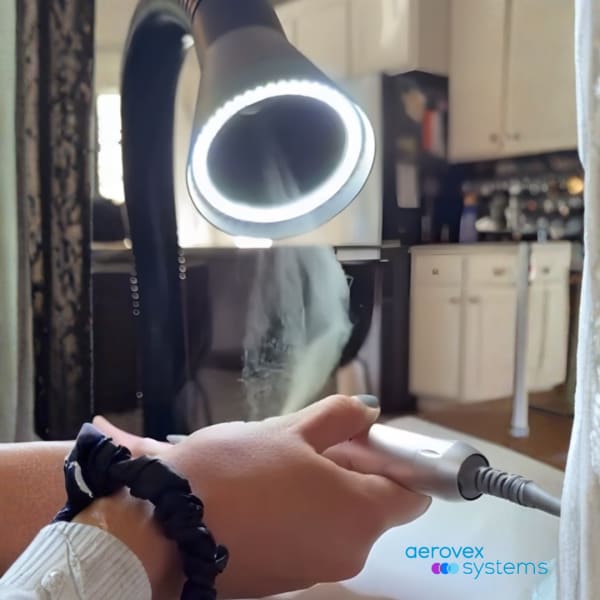
What actually counts as 'source capture' under nail salon ventilation code, and what doesn't (even if it feels like it should).
Sponsored by Aerovex Systems
 MENU
MENU SEARCH
Accepting responsibility and offering a true apology can go a long way in building relationships. Having those tough conversations aren't always easy, but our Wellness Blogger Mary Wilson shows you how.

Do you avoid having difficult conversations? Perhaps, you find it challenging to say you are wrong when you are. Unresolved conflicts create more drama, further misunderstandings and drain productivity.
Difficult conversations force clarity and clear the air for better communications. When we speak honestly about challenges or expectations, it helps everyone get on the same page. You show people how to treat each other by the way you allow them to treat you and interact with each other. Setting relationship boundaries is like setting rules in the workplace. With clear open communication, there are fewer assumptions, misunderstandings and fewer surprises.

Open dialogue builds trust. When partners, managers and colleagues listen without judgment and treat each other with respect during hard talks, it creates a sense of safety. Research by SHRM found that employees who had civil, psychologically safe difficult conversations were much more likely to trust their coworkers and leaders. In those environments, workers even felt the organization was more willing to “encourage new ideas,” because they knew disagreements wouldn’t lead to retaliation. In short, handling a disagreement with empathy and honesty tells people their perspective matters. Over time, trust grows as team members see that speaking up leads to solutions, not punishments. What’s the best way to do this?
When we confront issues head-on, understand each other’s needs better by asking questions and listening with an open heart. Regularly scheduling short, direct check-ins or feedback sessions can turn anxiety into action, ensuring that small misunderstandings don’t become costly mistakes.
Key Benefits of Embracing Tough Conversations as a Manager:
Clearer Communication: Honest dialogue ensures everyone understands expectations.
Increased Trust: Respectful discussions build confidence and openness.
Quicker Conflict Resolution: Addressing issues head-on prevents costly delays.
Stronger Leadership: Giving feedback and setting boundaries helps managers grow stronger and more clear!
Employee Development: Constructive feedback accelerates learning. Leaders who candidly help people improve fulfill their “ethical obligation” to support employee growth.
Better Team Performance: Open dialogue frees the team to focus on results.
Each of these outcomes feeds into the next: better communication builds trust, trust makes conflict resolution smoother, and together they create a cycle of continuous improvement. In the end, embracing those hard conversations makes everyone stronger.
The Power of a Genuine “I’m Sorry”
We all mess up sometimes, it’s called being human. Maybe we snapped at someone we care about, overlooked a friend in need, or made a choice that hurt someone unintentionally. Whatever the case, there’s one small but powerful act that can begin to mend the damage: saying “I’m sorry.”
Apologizing can feel uncomfortable. For some, it feels like admitting defeat or exposing vulnerability. Our pride gets in the way, or we fear that saying sorry will make us look weak or open up a conversation that leads to more disagreement or blame or hurt.
A sincere apology when we know that we have hurt someone or insulted them takes strength, shows maturity, empathy, and a willingness to take responsibility for our actions.
A true apology goes beyond just the words. It’s not “I’m sorry you feel that way” (that’s more deflective than healing). A meaningful apology sounds more like:
“I’m sorry for what I said. It was hurtful, and I wasn’t thinking about how it would make you feel.”
“I realize I let you down, and I take full responsibility. I want to make it right.”
I am so sorry, I was stressed out and I lashed out at you.
Here’s what makes an apology count:
Acknowledgment of the wrong – Be specific about what you did.
Taking responsibility – No excuses, no blame-shifting.
Expression of regret – Show genuine remorse.
Commitment to change – Apologize with the intention of doing better.
Apologies can rebuild trust, strengthen relationships, and clear emotional weight on both sides. They open the door for forgiveness and healing. Sometimes, people carry around resentment or pain for years simply because they never heard “I’m sorry.” It’s never too late to say it.
Having the difficult conversations and saying “I’m sorry” can be uncomfortable, but it’s one of the bravest and kindest things we can do. They repair, connect, and build deeper relationships.
About the Author: Mary Wilson has been a beauty industry pro for 40 years and has contributed in many arenas including marketing, sales, education, communication and presentation skills. She has always believed the very best way to find success is to create beauty and to share your talents with your trusted clients while maintaining your own physical and emotional health. In addition to being a beauty industry leader, Mary has been a certified yoga teacher for the past 11 years and leads wellness retreats and teaches yoga, breath work and energy healing.
What actually counts as 'source capture' under nail salon ventilation code, and what doesn't (even if it feels like it should).
Sponsored by Aerovex Systems
New services on the menu can create new opportunities, but they can also expose your business to greater liability. SASSI's Kathy Lopez shares a few services that pose greater risk, discusses some of the mistakes owners make when expanding their menus, and lists simple risk management strategies.

Shine Time: Aluram’s High Shine Line Delivers Moisture and Shine with Clean Ingredients
Sponsored by Aluram

Explore this curated selection of standout brands and essential products shaping today’s growing wellness and spa industry.

Neutralizing the damaging effects of water benefits the hair from texture to shine to color longevity, and it’s the science behind Malibu C products.
Sponsored by Malibu Wellness
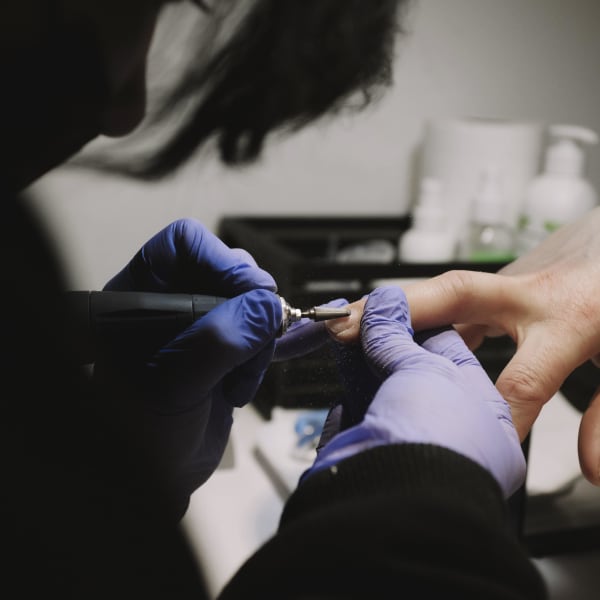
From acrylic monomers to airborne bio-dust, the air inside a nail salon carries risks most professionals never see coming. Aerovex Systems reveals the source-capture and room-purification strategies that are setting a new standard for salon safety.
Sponsored by Aerovex Systems
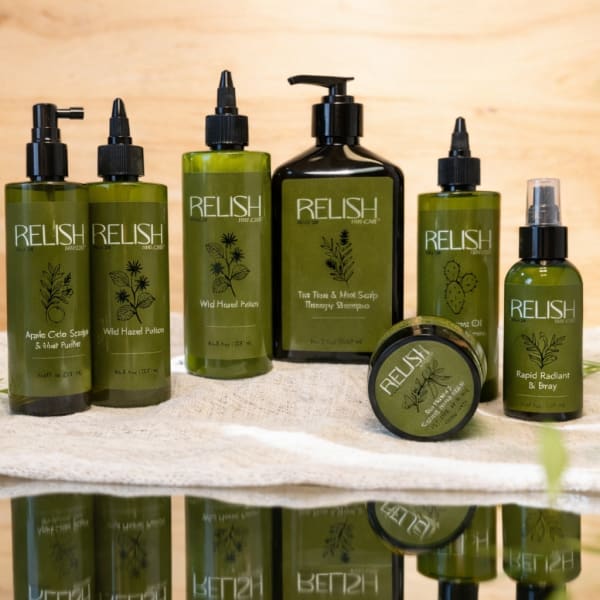
Good hair starts at the scalp. But most salons aren’t offering services or products that address scalp health. Relish, a new product line from the founders of Signature Formulations, has everything salons need to deliver an effective head spa service and offer guests a robust at-home scalp care line.

A new book by Joel Steele shows that the most powerful change people can make is to think differently if they want different results. The author believes in the 'Life Switch' so fervently that he's willing to donate $1 million from book sales when he sells his millionth copy.

In an era where clients demand visible results with minimal recovery time, salons and spas are redefining what professional skincare means.

New global search data from beauty and wellness booking platform Fresha reveals that Botox remains the world’s most in-demand aesthetic treatment in 2025—but regenerative “tweakments” like polynucleotide injections, thread lifts and IV drips are seeing explosive growth across key markets.
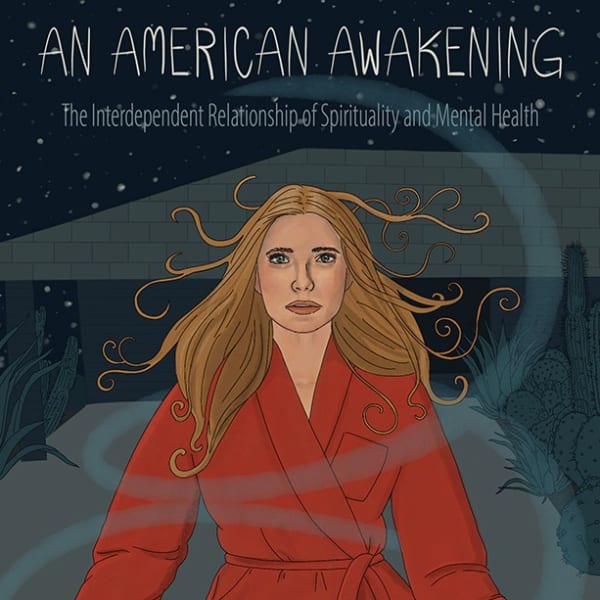
As rates of anxiety, depression, and substance use continue to climb across the U.S., conversations around mental health are more urgent than ever—yet one crucial perspective remains missing. In her captivating new book, Aymie Daniels introduces the little-known concept of “Spiritual Emergency” and opens a timely conversation about how America understands (and often mislabels) extreme psychological states.
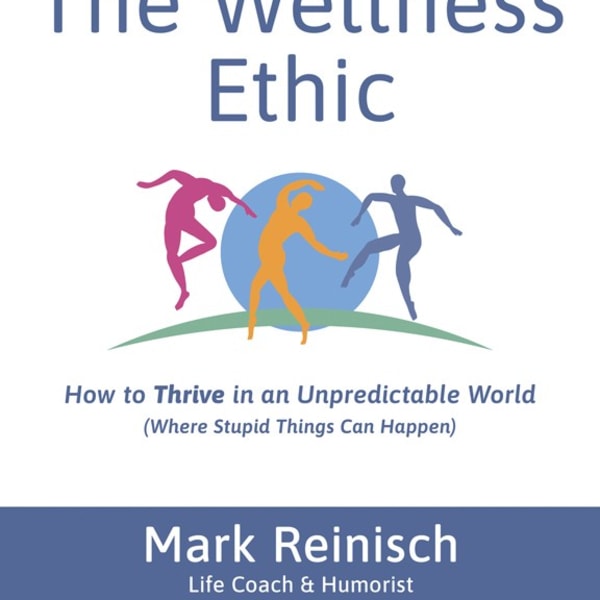
Author and Lifestyle Coach Mark Reinisch's new book challenges the outdated 'work ethic' model, which values success over health, happiness, and the soul. His antidote: wellness ethic lifestyle design--a bold, practical approach to building a life that works for you, on your terms.
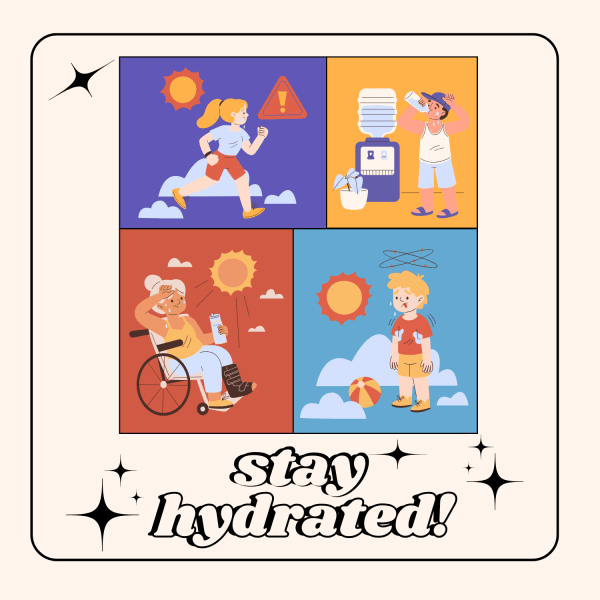
Water is a vital part of almost every process in the human body. Our Wellness Blogger Mary Wilson shows you why staying hydrated is so important and offers helpful guidelines on how to do it.

Located in downtown Denver, Sway Wellness Spa integrates the latest technology into services, offers accessible memberships, and brings a community setting to younger generations who yearn for a wellness experience that is not like their mothers'.
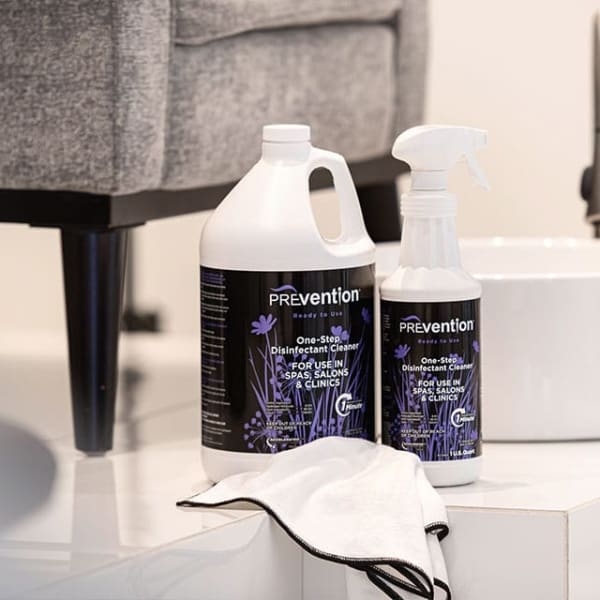
As a spa or salon professional, your clients expect more than just beauty—they expect safety, hygiene, and peace of mind. Fungal infections like Athlete’s Foot and Nail Fungus are more common than you think, especially in environments where tools and footbaths are reused without proper sanitation. This blog covers how to stop these issues before they start, using proven infection prevention strategies for salons and spas.

As the kids head back to school and the seasons shift, it might be time to clear your energy. Our Wellness Blogger Mary Wilson talks about why it's important and illustrates some of the different methods involved.

Do summer barbeques and sweet treats to beat the heat have you relaxing your healthy eating goals? Here comes our Wellness Blogger Mary Wilson to the rescue with some success hacks and meal prep tips that take advantage of the season's bounty.