Sustain Beauty Co.'s Valerie Tate walks you through the four pillars of mental health to help you combat burnout and protect your mental health.
by Staff
May 15, 2025
3 min to read
Connecting with friends and colleagues is a powerful way to boost overall wellbeing. It should make you feel valued, but if it doesn’t, ask yourself why not.
We are bang in the middle of Mental Health Awareness Month (May), yet so many beauty professionals are still struggling to stay well. Nearly seven in ten stylists have experienced burnout (Source: L'Oreal Professionnel 2023), while almost half also report that their clients are ‘trauma-dumping’ their own mental health issues in the chair, reports Valorie Tate, founder of Sustain Beauty Co.
“Supporting a client with anxiety, depression and stress has an impact on your own mental health,” says Tate, who advocates for personal sustainability as much as professional. “Add to that the physical demands of the job, other more difficult and demanding clients, and the struggle to achieve a positive work/life balance and it can all become too overwhelming.
Ad Loading...
“We need to protect ourselves, and one way is to bring personal awareness to the four pillars of mental health. Identifying one action at a time from each pillar can help build greater resilience.”
Pillar #1 - Physical
The buzz of adrenalin flowing through your body after even moderate activity – like walking – does more than benefit your heart, it also helps with mood regulation and stress reduction. If it’s feasible, try walking after work. Maybe park your car a bit further from work or skip on to the next bus/train stop.
Don’t forget that ‘physical’ also covers health - yours! Protect yourself from the negative impact of repeated washing and coloring of hair with protective gloves and avoid mixing color close to your face. You also need to be aware of the degenerative effects of untreated conditions that stylists can be prone to such as back and allergy problems. Protect your body and total physical wellness.
Pillar #2 - Social
Connecting with friends and colleagues is a powerful way to boost overall wellbeing. It should make you feel valued. If it doesn’t, ask yourself why not. Being behind the chair can leave you feeling socially drained at the end of the day, so fill your cup with those that gift you comfort without expectations. Drop vampiric friends who suck you dry by dumping their negativity on you while lacking any curiosity about your life. Work to protect your peace at work. Call your mom more.
Pillar #3 – Cognitive
This one might be more of a challenge, but we need to stimulate our minds. The bad news is browsing Instagram for hours won’t do it. Take time out to expand your knowledge beyond beauty by following a podcast, reading a paper or joining a club or class. As well as being good for your brain, it can distract you from the professional pressures of challenging clients and troublesome career obstacles.
Ad Loading...
Pillar #4 – Emotional
This is tough but crucial – you must learn to accept yourself and prioritize your mental and emotional well-being. Research and adopt self-care tools that suit you which you can use during times of high stress, and incorporate a non-negotiable self-care practice into your daily routine. It can be something as simple as a relaxing bath when you get home or practicing mindfulness (you can do this in the bath or in the car after work) or listening to your favorite podcast (which you can also do in the bath). You deserve it.
For ideas on how to support professional mental wellbeing, check out the Team Initiatives section of SBCo’s free Sustainable Salon Checklist
Both systems capture vapors and dust right at the nail table. The difference is where that air goes next, and that one detail can decide whether your salon passes inspection.
Your guest decides what kind of salon this is in the first ten seconds, long before she is in the chair, and scent is the piece most owners leave to chance. Aura House co-owner Leif Frey lays out what ambient scent can and cannot do, why air quality is an engineering question rather than a fragrance one, and the four decisions that matter more than the scent you choose.
You do not need to be a therapist to listen well. You do need to know where your role begins and ends. In her first blog for SALON TODAY, Modjossorica (Rica) Elysée shares five ways you and your team members can respond with care.
Your body doesn't necessarily tell the difference between a promotion and a deadline. In her first wellness blog for SALON TODAY, Wellify Co-Founder Laura Fuqua explains why even good stress has an impact.
Popping up across the UK, Menopause Cafés are helping women seek professional help with their menopause journeys. What better place to play host to one of these gatherings than a spa?
New services on the menu can create new opportunities, but they can also expose your business to greater liability. SASSI's Kathy Lopez shares a few services that pose greater risk, discusses some of the mistakes owners make when expanding their menus, and lists simple risk management strategies.
From acrylic monomers to airborne bio-dust, the air inside a nail salon carries risks most professionals never see coming. Aerovex Systems reveals the source-capture and room-purification strategies that are setting a new standard for salon safety.
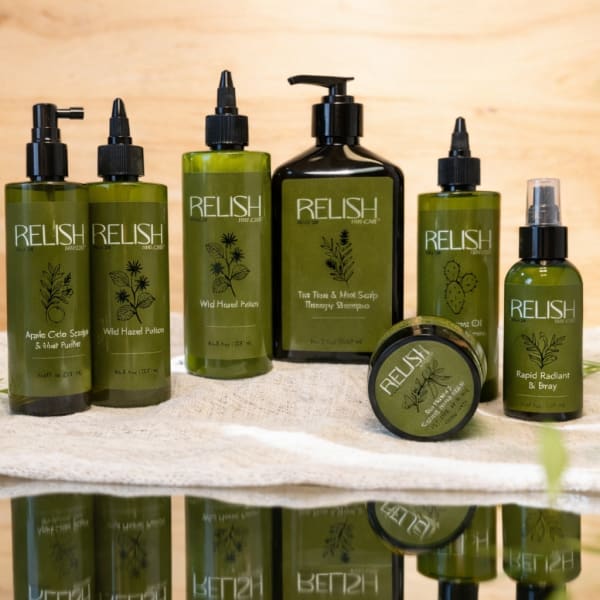
Good hair starts at the scalp. But most salons aren’t offering services or products that address scalp health. Relish, a new product line from the founders of Signature Formulations, has everything salons need to deliver an effective head spa service and offer guests a robust at-home scalp care line.
A new book by Joel Steele shows that the most powerful change people can make is to think differently if they want different results. The author believes in the 'Life Switch' so fervently that he's willing to donate $1 million from book sales when he sells his millionth copy.
New global search data from beauty and wellness booking platform Fresha reveals that Botox remains the world’s most in-demand aesthetic treatment in 2025—but regenerative “tweakments” like polynucleotide injections, thread lifts and IV drips are seeing explosive growth across key markets.
As rates of anxiety, depression, and substance use continue to climb across the U.S., conversations around mental health are more urgent than ever—yet one crucial perspective remains missing. In her captivating new book, Aymie Daniels introduces the little-known concept of “Spiritual Emergency” and opens a timely conversation about how America understands (and often mislabels) extreme psychological states.