Clients come to you to feel their best—not leave with a viral souvenir. Warts and cold sores can spread fast in busy salons, but a few smart habits make all the difference. Let’s talk about what’s really lurking in your salon (and how to kick it to the curb).
Salon Day, Safe Day: Protecting Your Clients from Viral Infections
Ad Loading...
As spa and salon professionals, your clients trust you to provide a safe and clean experience. That’s why infection prevention is a non-negotiable part of your daily routine. Pathogens left on surfaces can easily transfer to anyone who interacts with them, posing a serious risk of infection. This month, we’re spotlighting two common viral infections—Warts (caused by HPV) and Herpes Simplex Virus (Cold Sores)—and how you can stop them from spreading in your spa or salon.
What You Need to Know
Plantar Warts (Caused by Human Papillomavirus - HPV)
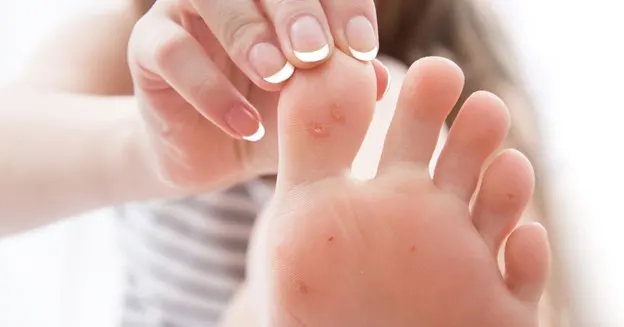
Plantar warts are stubborn, rough skin growths triggered by HPV. They thrive in warm, moist environments, making spas and salons a perfect place for transmission. If a client has a wart on their hands or feet, they could unknowingly leave the virus behind on pedicure stations, nail tools, or spa devices. Without proper disinfection, HPV lingers on surfaces, putting your next client—and even you—at risk.
Cold Sores (Herpes Simplex Virus)
Ad Loading...
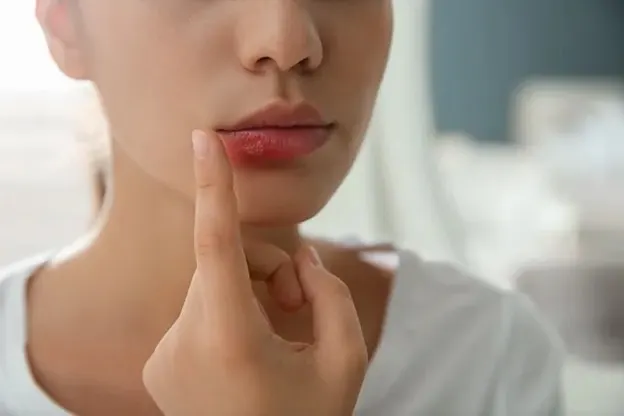
Cold sores, caused by the herpes simplex virus (HSV-1), appear as blisters around the lips or mouth. The virus spreads through direct skin-to-skin contact and contaminated equipment like massage tables, microdermabrasion devices and shared spa linens. If a client with an active cold sore receives treatment using improperly disinfected tools, the virus can be passed on to the next unsuspecting client.
How Viral Infections Spread in Your Spa or Salon
Your hands and tools are your craft, but without proper sanitation, they can also become vehicles for infection. Here’s how these viruses can spread:
Plantar warts (HPV):
Contaminated pedicure tools, nail clippers, foot scrubbers, or nail buffers
Accidental transfer from an infected area to another client’s skin
Cold Sores (Herpes Simplex Virus):
Reusing facial massage rollers, gua sha stones, or microcurrent devices without proper disinfection.
Using steam machines or laser treatment devices on multiple clients without disinfection
Shared headrests, facial devices and tips
Protecting Your Clients: Prevention is Everything
Ad Loading...
Your reputation is built on trust and client safety. Here’s how to ensure your spa or salon remains a clean and safe space:
Use Single-Use or Disposable Items
Use single-use protective covers for headrests and massage tables.
Provide disposable nail files, buffers, and foot scrubbers for each client.
NEVER double-dip wax sticks—use a fresh one each time to prevent contamination.
Clean and Disinfect Every Tool and Surface
Use a hospital-grade disinfectant, like Prevention Disinfectants®, to clean and disinfect tools, workstations, and high-touch areas between each client.
Follow manufacturer guidelines to disinfect pedicure tubs after each use.
Disinfect facial and waxing equipment immediately after treatments.
Keep Your Hands and Gloves Clean
Wash hands with soap and water before and after every client.
Wear gloves when performing treatments that involve direct skin contact.
Client Awareness & Communication
If you notice a visible wart or cold sore, politely reschedule the service to prevent cross-contamination.
Encourage clients to disclose any active infections before their appointment.
Enforce a Strict Infection Control Policy
Train staff on hygiene best practices and proper disinfection protocols.
Regularly audit cleaning practices to ensure compliance.
Your Clients Deserve a Safe, Clean Experience
Warts and cold sores may be invisible threats, but as a beauty professional, you have the power to prevent their spread. By following strict sanitation protocols and using Prevention Disinfectants, you can create a spotless, worry-free environment that keeps your clients and staff protected.
Want more expert insights on infection prevention? Stay tuned for next month’s Bug of the Month, where we’ll expose more hidden risks and share how to stop them in their tracks.
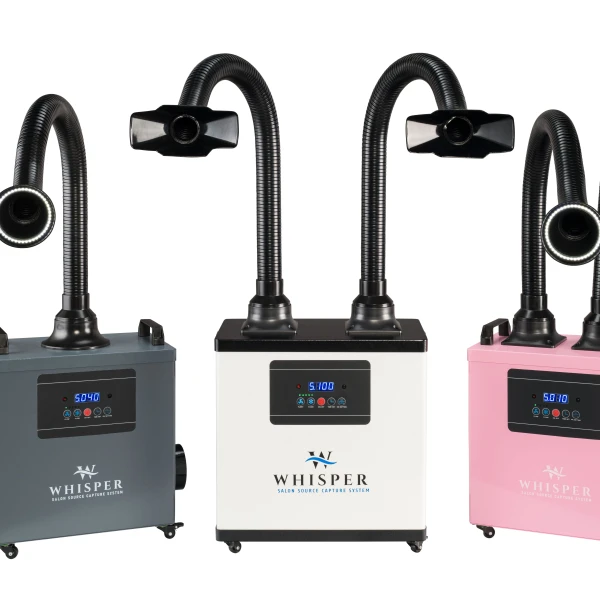
Both systems capture vapors and dust right at the nail table. The difference is where that air goes next, and that one detail can decide whether your salon passes inspection.
Your guest decides what kind of salon this is in the first ten seconds, long before she is in the chair, and scent is the piece most owners leave to chance. Aura House co-owner Leif Frey lays out what ambient scent can and cannot do, why air quality is an engineering question rather than a fragrance one, and the four decisions that matter more than the scent you choose.
You do not need to be a therapist to listen well. You do need to know where your role begins and ends. In her first blog for SALON TODAY, Modjossorica (Rica) Elysée shares five ways you and your team members can respond with care.
Your body doesn't necessarily tell the difference between a promotion and a deadline. In her first wellness blog for SALON TODAY, Wellify Co-Founder Laura Fuqua explains why even good stress has an impact.
Popping up across the UK, Menopause Cafés are helping women seek professional help with their menopause journeys. What better place to play host to one of these gatherings than a spa?
New services on the menu can create new opportunities, but they can also expose your business to greater liability. SASSI's Kathy Lopez shares a few services that pose greater risk, discusses some of the mistakes owners make when expanding their menus, and lists simple risk management strategies.
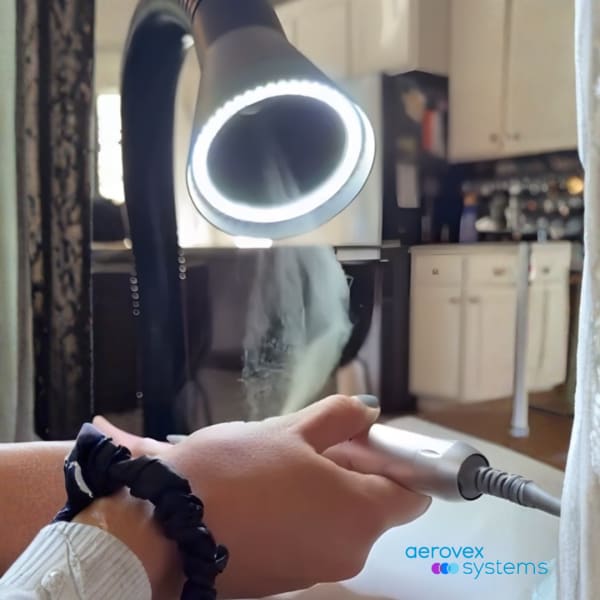
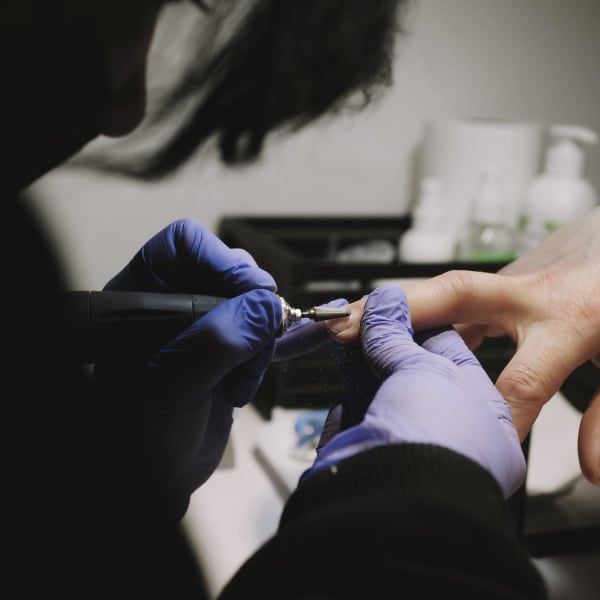
From acrylic monomers to airborne bio-dust, the air inside a nail salon carries risks most professionals never see coming. Aerovex Systems reveals the source-capture and room-purification strategies that are setting a new standard for salon safety.
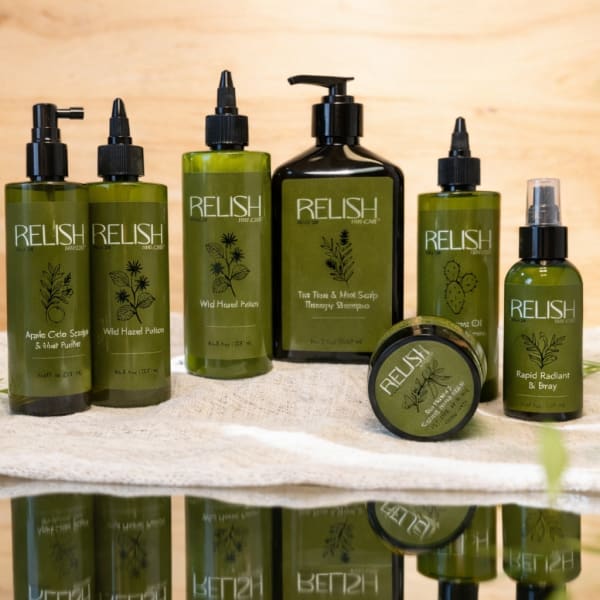
Good hair starts at the scalp. But most salons aren’t offering services or products that address scalp health. Relish, a new product line from the founders of Signature Formulations, has everything salons need to deliver an effective head spa service and offer guests a robust at-home scalp care line.
A new book by Joel Steele shows that the most powerful change people can make is to think differently if they want different results. The author believes in the 'Life Switch' so fervently that he's willing to donate $1 million from book sales when he sells his millionth copy.
New global search data from beauty and wellness booking platform Fresha reveals that Botox remains the world’s most in-demand aesthetic treatment in 2025—but regenerative “tweakments” like polynucleotide injections, thread lifts and IV drips are seeing explosive growth across key markets.
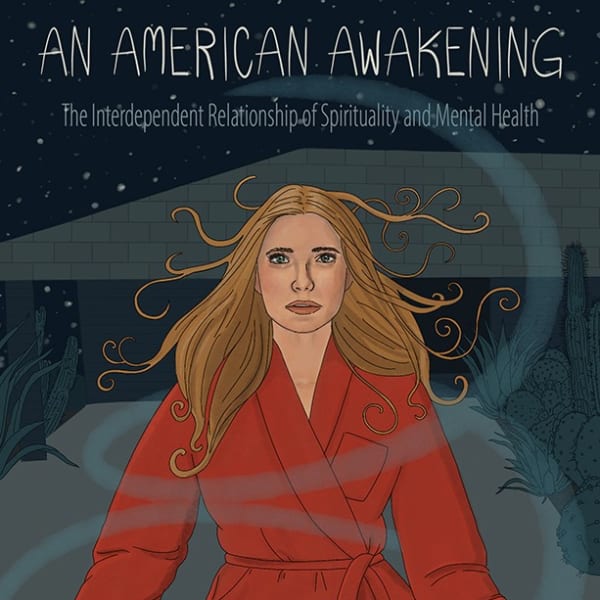
As rates of anxiety, depression, and substance use continue to climb across the U.S., conversations around mental health are more urgent than ever—yet one crucial perspective remains missing. In her captivating new book, Aymie Daniels introduces the little-known concept of “Spiritual Emergency” and opens a timely conversation about how America understands (and often mislabels) extreme psychological states.