










Jotform
Form Builder & Data Management
 MENU
MENU SEARCH
From financing options and memberships to dot phrasing and medical documentation, software management experts list the myriad of features you should consider as you shop for a tech partner to power your wellness concept.

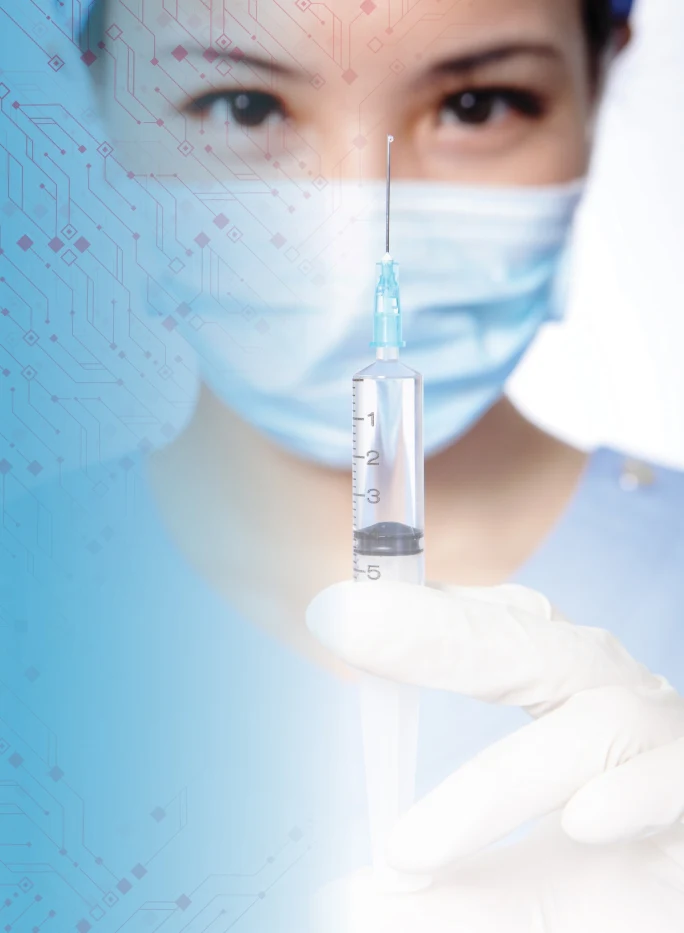
Today’s spas and medspas mirror medical facilities more than they do a salon, which means your software needs may be very different than those of a typical salon.
“That whole semaglutide wave really kicked off the wellness movement, and we’re seeing spas evolve into more of a broader, inside-out care model and layering in practices like hormone replacement therapy, weight loss, body sculpting, IV therapy, injectables, nutraceuticals, and regenerative medicine and even functional lab testing,” Brandy Keller, chief product officer of PatientNow.
As your business concept expands into the wellness space, it will require a robust software management system capable of booking complex appointments, complying with regulatory requirements, offering memberships and payment options, and tracking guest outcomes. At the same time, traditional medical records systems lack the marketing mojo, reputation management capabilities, and elevated user experience for which today’s salon software has become known. You really need the best of both worlds.
As you add new expertise to your team and services to your menu, four software management experts discuss the functionality you’ll want in your future management system.
Depending on the service, booking a spa or medspa client for a service is much more complex than booking a typical hair service; therefore, the software needs to be able to seamlessly juggle that complexity. “Not only are you booking the technician’s time, but you also have to book the equipment and the room,” says Lesley Silvestre, director of customer success for Zenoti. “Then you need to track down if the technician who is working that day has the proper certifications to perform that service.”
Dynamic booking flexibility is key, says Jozlyn Miller, manager of education for Boulevard. “Medspas need a system that can accommodate both simple and complex service structures. For example, a standard facial might only require service time and a brief buffer for cleanup and room transition. But for something like an injectable service, the timing may be more layered—starting with a consultation, followed by numbing time, then the treatment itself, and ending with a transition window before the next appointment.”
The front desk also needs to factor in processing time. “Depending on the service, you may need additional prep time to numb the face,” Keller adds. “In addition, if a client schedules a few different treatments that day, the scheduler could be looking at additional rooms, technicians and equipment—it gets complicated quickly.”
For any services that border on medical, and even for some that don’t, a new client’s journey with a spa often begins with a consent form. “Many spas like to send these out in advance of a treatment appointment,” says Órla Phelan, director of medspa operations at Phorest. “There are many factors that could prevent them from getting a specific service—if they’ve been in the sun in the last seven days, if they’ve applied a product with retinol recently, or if they have a certain allergy.”
The Phorest software features a comprehensive library of consent forms tailored to individual services, allowing spas to customize them with their own specific questions. “If the service requires the supervision of a medical director, getting those forms turned in before the appointment means the medical practitioner can sign off on the service and say, ‘Yes, she’s good to go.’” Phelan points out that for consent forms that can be completed later, guests can be handed an iPad upon arrival to gather the necessary information.
In other circumstances, consent needs to be given from the medical director. “For example, before Botox, some states require that a Good Faith Exam be performed, where a doctor goes through a list of basic questions confirming that the client is a good candidate for the procedure,” Silvestre adds.
As your business shifts into spa and medspa services, the documentation process becomes much more rigorous, says Keller. “You’ll be required to meet HIPAA standards, and depending on your state, securely store those records for three to seven years.”
HIPAA Compliancerefers to the adherence to the Health Insurance Portability and Accountability Act which sets standards for protecting sensitive patient health information.
Medspa records extend beyond a brief note about a client’s preferences. They can include medical history, vital signs, allergies, contraindications, prescriptions, laboratory results, and other relevant clinical information, such as treatment photos and consent forms.
“It’s mission critical for medspas to be storing their photos, client records, and form documentation in a HIPAA-compliant system so they have safeguards against information being shared unintentionally,” says Keller
“One of the things our team did was make sure staff have to enter a pin to access a record, protecting it from people who shouldn’t be seeing it,” says Phelan. “With any of this medical charting, it’s also important that once the client note has been made and saved and it’s been signed off by the medical director, the note needs to be fully locked down so it can’t be edited after the fact.”
“Not only is it important to be able to track and securely store medical information, but you’ll want a system that can carry it over from form to form,” adds Silvestre.
The note the practitioner generates as part of the client’s appointment is a crucial component of the medical record.
“What we’ve found is that for some practitioners, they don’t want to do their full chart when the patient is there. They want to sit with the patient and capture quick notes of the information and build out the chart, then take 15 minutes after the appointment to wrap up their note,” Phelan says.
Dot phrases, also known as smart phrases or auto text, are shortcuts used to populate commonly used text in patient notes rapidly. The term stems from the period (dot) that often precedes the shortcut code.
“Dot phase allows you to easily do quick notetaking. For example, I can type in a period or a forward slash and a couple of letters, and the system will populate the record with a pre-written note,” Miller says.
While the consent forms are client-facing, software can also include treatment plans that are filled out and used by the practitioners in the clinic. Treatment Plans are a feature designed for medical spas and aesthetic clinics to streamline client care and improve operational efficiency. These plans allow for the creation of detailed documentation of treatment specifics and secure storage of client records. Features include customizable templates, course tables for detailed tracking, and automation version saving to safeguard medical records.
“Within a treatment plan, the practitioner has the ability to do some additional things. For example, for a laser treatment, the staff member may want to create a course table that tracks the session number, the joules (units of energy), and the patient’s assessment of the pain—then, that table can be built upon during future appointments,” Phelan says. “Or for a Botox treatment, they may want to upload an image and mark up their injection areas.”
If a spa wishes, the client can also be asked to sign the treatment plan.
When designing services for your spa business, it may be essential to provide guests with pre- or post-care instructions. “We’ve created many of these in our software, and they can be customized,” says Phelan. “What’s also important is that because they are sent via email through the software, there is a record of when they were sent to the guest right in the system.”
As a spa transitions into medspa services, its need to capture accurate client images becomes increasingly important, whether that’s for use in conjunction with a treatment or to track a client’s progress over subsequent treatments and show them results.
“Not only do you need to capture images at a much higher resolution than you may for salon files, but you need consistency in lighting and positioning so you can compare images,” says Keller. “PatientNow has a purpose-built imaging tool with very explicit guides that ensure you have consistent positioning and lighting, all of which you can easily do through an app on your phone. It makes it easy to highlight and share the positive results from the treatments you’re offering.”
Many spa treatments are sold in packages, which creates an additional need for tracking.
“Not only do you need to track how many services in the package have been used, but depending on the treatment, you may need to be able to track the time in between the services as some require a set amount of time before the patient can have another treatment,” Silvestre says.
Because spa and medspa appointments rank among the most expensive services offered in beauty-based businesses, owners should investigate payment options and loyalty programs, and how they may influence a consumer who is undecided in their purchasing decision—so investigate what a software product can offer you.
Beauty Banks: "Think of a Beauty Bank as a layaway program, the client pays into an account with a set amount every month and builds a bank for a high-ticket item down the road,” Miller explains.
“Sometimes, we call this girl math,” laughs Silvestre. For couples with shared credit card accounts, a spouse is less likely to notice a smaller monthly charge, and more likely to question a big ticket item.”
Financing Programs: You can also explore options that allow clients to buy now and pay later, while your business still collects payment upfront. For example:
CareCredit is a health and wellness credit card offering flexible financing options that help consumers pay for the care they need over time.
Cherry is a financing program that removes cost as a barrier by allowing patients to pay for big-ticket treatments in smaller monthly payments.
The Klarna App offers options to spread the cost over time into multiple, interest-free installments or longer-term financing.
Loyalty Programs:Many software programs offer customizable loyalty programs that spas can utilize, allowing guests to accumulate points for purchases or specific behaviors (such as pre-booking their next appointment), which can then be redeemed for future products or services. Make sure to investigate these options and how they’ll fit into your operation.
In addition, some Botox and filler companies offer their own aesthetics loyalty programs, such as Allē or Aspire, where guests track and collect points from multiple participating providers, then redeem them for products or treatments.
Membership Programs:You can also design membership programs where guests pay a monthly fee for a selection of discounted services. Additionally, you can offer members a percentage discount on additional services that aren’t part of the membership package.
Due to the high value of spa and medspa services, collecting a deposit can protect both you and your service providers in the event that a customer fails to show for their appointment.
“Many medspas collect a deposit at the time of booking, which can later be applied toward the client’s treatment,” Miller says. “It’s crucial that the process of collecting and redeeming deposits is clear, feels safe, and is seamless for both clients and the front desk staff to avoid confusion and ensure a smooth check-in and check-out experience.”
Collecting a client’s credit card during the booking process is another way to reduce no-shows and last-minute cancellations.
“This allows medspas to enforce cancellation policies effectively and ensure accountability from the client,” Miller says. “Even if you decide not to charge the client upfront, having a card on file allow you to charge a fee if the client violates your cancellation policy, helping you protect your team’s time and maintain revenue consistency.”
Form Builder & Data Management
Financial & Team Management Software
Multi-Location Management Software
Business Management, POS & Booking
AI Front Desk
Growth Marketing Software Solutions
Business Management & Booking Software
As technology evolves at an accelerated rate, you want to make sure you have the best in your business toolkit to help you grow sales, motivate your team, communicate with your current and future clientele, and streamline your managerial tasks. The 2026 SALON TODAY Technology Solutions Guide is designed to help you navigate today's growing landscape of salon and spa technology. In this guide, you'll find a curated look at more than 50 of the latest software platforms, digital solutions, and innovative features to help you compare options and identify the best fit for your business.

AI-Powered Salon Software
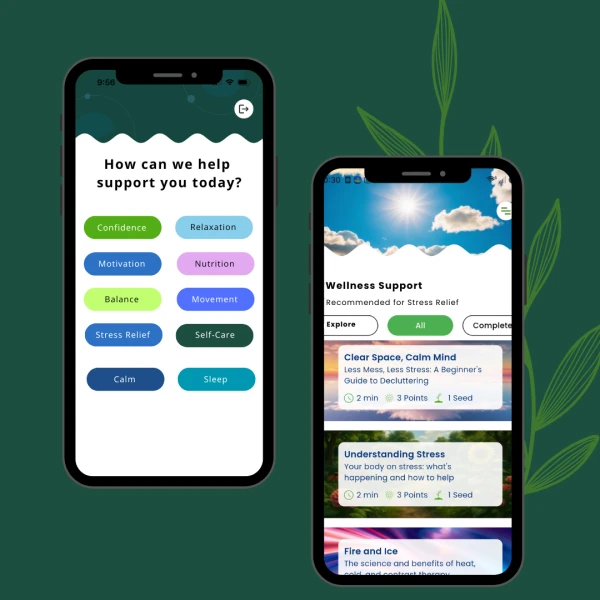
Employee Wellbeing Platform
Business Management
Tipping Software
SMS Management
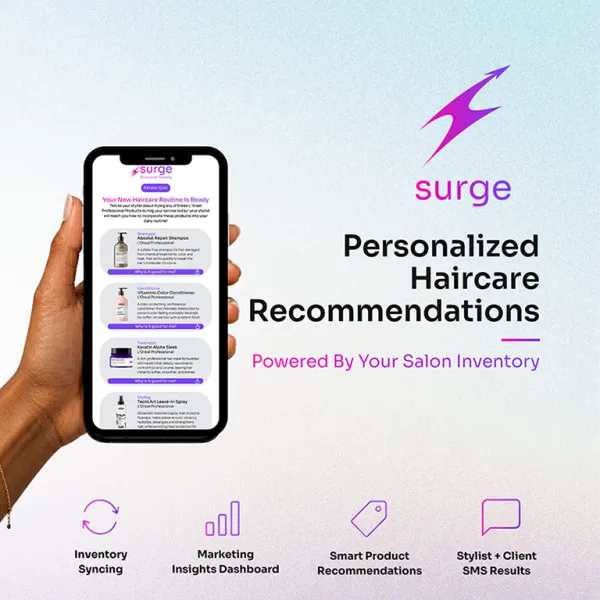
AI Retail Sales
Supply System
Tipping App
Business Management