









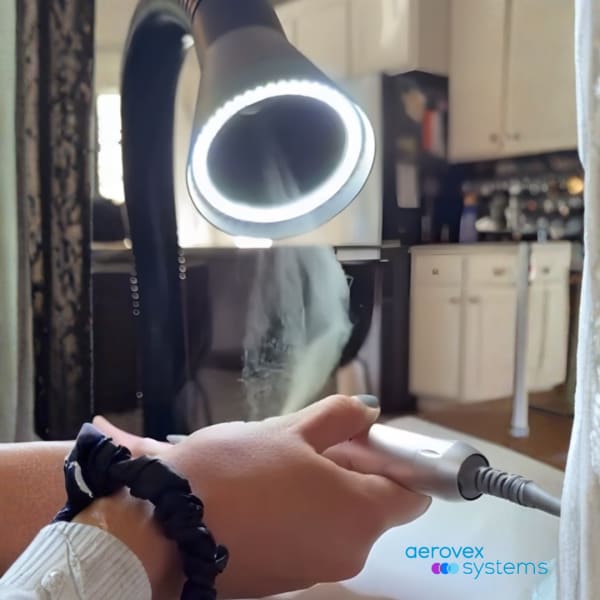
The Nail Salon Ventilation Code Every Owner Should Know
What actually counts as 'source capture' under nail salon ventilation code, and what doesn't (even if it feels like it should).
Sponsored by Aerovex Systems
 MENU
MENU SEARCH
This month, our Wellness Blogger Mary Wilson answers a number of questions about meditation and helps you get started.


Meditation goals include a calmer mind, better focus, improved problem solving, stress reduction, emotional resilience and improved overall health.
Why do they call meditation a practice? So many people say, I tried meditation once and it is not for me. Meditation in its simplest form is the singular attention given to one thing that takes your mind off of the million other things racing around you and in your head.
They call meditation a practice because the more often you do it, the better your results can be and the more benefits you receive from doing it. When you engage regularly, you are able to develop skill, awareness, and inner stability—much like practicing your skills as a stylist, yogi, or in a sport. It is called a practice because it’s not a performance or a final destination—it’s a way of returning, refining, and growing, day by day in peacefulness and calm presence.
The term practice emphasizes a few key ideas:
Ongoing Process: Meditation isn't something you master once and for all. Each session is a chance to begin again, refine your focus, and deepen your understanding.
Nonjudgmental Approach: "Practice" implies you're not expected to be perfect. Distractions, restlessness, or emotional waves are part of the process. You observe them and choose to return to your breath, mantra, or focus point—over and over.
Cultivation: Just like you "practice kindness" or "practice patience," meditation is about cultivating qualities like awareness, becoming more grounded and compassion.
The goal isn't just to meditate for 10 or 20 minutes, but to gradually carry the presence and clarity in to other parts of your life. Meditation goals include a calmer mind, better focus, improved problem solving, stress reduction, emotional resilience and improved overall health.
There are many types of meditation, each with different goals, techniques, and traditions. Here’s a breakdown of some of the main categories for you to consider.
Mindfulness/Breath Meditation: Bringing your awareness to the present moment, centering on breath, bodily sensations and or relaxing the body and reduction of racing thoughts.
Singular Concentration Meditation: Focused attention on a single object—like a candle flame, a crystal or an object.
Mantra Meditation: Focusing on a series of positive affirmations, a phrase or prayer repeated and with the breath. Such as, when I am trying to go back to sleep when I wake up in the middle of the night, I will breathe in comfort and breathe out peace. I will not allow my brain to go anywhere else.
Guided Meditation: Listening to music, following the instructions of a voice for a designated time with complete concentration. YouTube provides many options for guided meditations to meet any goal.
Nature Meditation: Bring mindfulness into everyday movement with silent and mindful observation of nature, your surroundings and break the notion that meditation requires stillness.
Each type suits different personalities or goals—some people want deep relaxation, others seek insight or spiritual awakening. You might try a few and see what resonates most.
I have found that preparing to meditate well can make a big difference in how focused, calm, and grounded your practice feels. Here are some simple yet effective tips to help you get started. Choose a quite space where you know that you will not be interrupted, and let anyone else who lives with you know that you are planning to meditate and for how long. Set a time goal, perhaps even a gentle chime timer to indicate when the time is up. Be sure to make yourself completely comfortable either seated or laying down and remove any distractions such as your phone, television or animals. A great companion for meditation is a journal and having one nearby to jot down your overall experience will keep you motivated to continue your practice.
In just 5 to 10 minutes a day you will notice benefits like reduced stress, improved focus, and emotional regulation. Meditating daily trains your brain to calm down and your body to respond to the relaxation feeling to keep stress and anxiety at bay. Much like brushing your teeth, it's better to do a little every day than a lot once in a while.
About the Author: Mary Wilson has been a beauty industry pro for 40 years and has contributed in many arenas including marketing, sales, education, communication and presentation skills. She has always believed the very best way to find success is to create beauty and to share your talents with your trusted clients while maintaining your own physical and emotional health. In addition to being a beauty industry leader, Mary has been a certified yoga teacher for the past 11 years and leads wellness retreats and teaches yoga, breath work and energy healing.
What actually counts as 'source capture' under nail salon ventilation code, and what doesn't (even if it feels like it should).
Sponsored by Aerovex Systems
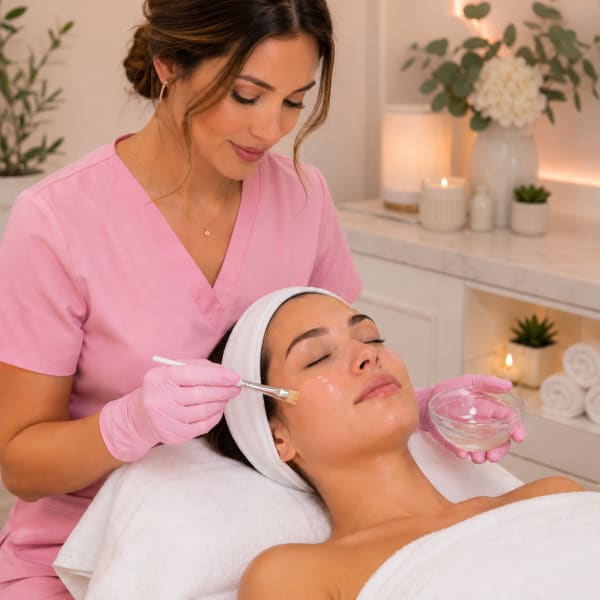
New services on the menu can create new opportunities, but they can also expose your business to greater liability. SASSI's Kathy Lopez shares a few services that pose greater risk, discusses some of the mistakes owners make when expanding their menus, and lists simple risk management strategies.

Shine Time: Aluram’s High Shine Line Delivers Moisture and Shine with Clean Ingredients
Sponsored by Aluram

Explore this curated selection of standout brands and essential products shaping today’s growing wellness and spa industry.

Neutralizing the damaging effects of water benefits the hair from texture to shine to color longevity, and it’s the science behind Malibu C products.
Sponsored by Malibu Wellness
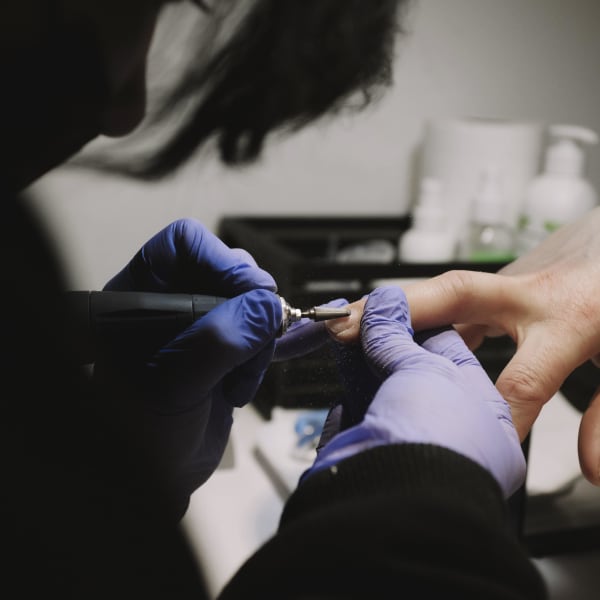
From acrylic monomers to airborne bio-dust, the air inside a nail salon carries risks most professionals never see coming. Aerovex Systems reveals the source-capture and room-purification strategies that are setting a new standard for salon safety.
Sponsored by Aerovex Systems
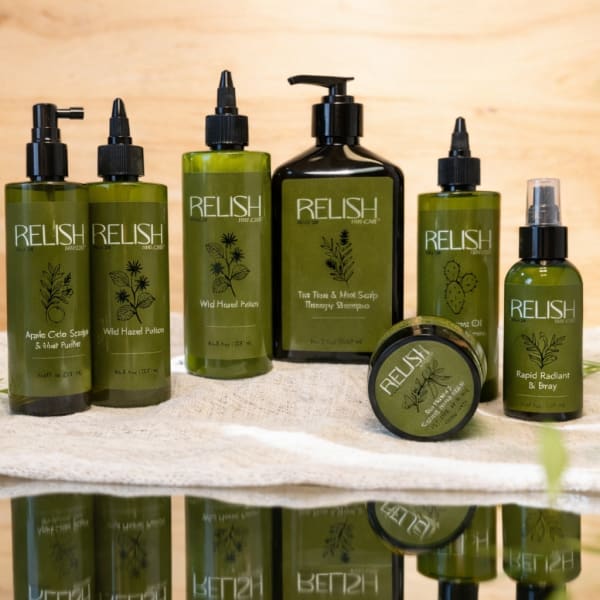
Good hair starts at the scalp. But most salons aren’t offering services or products that address scalp health. Relish, a new product line from the founders of Signature Formulations, has everything salons need to deliver an effective head spa service and offer guests a robust at-home scalp care line.

A new book by Joel Steele shows that the most powerful change people can make is to think differently if they want different results. The author believes in the 'Life Switch' so fervently that he's willing to donate $1 million from book sales when he sells his millionth copy.
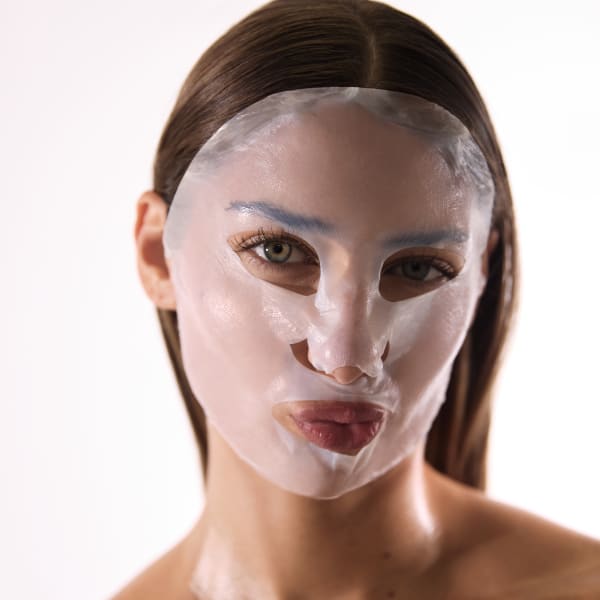
In an era where clients demand visible results with minimal recovery time, salons and spas are redefining what professional skincare means.

New global search data from beauty and wellness booking platform Fresha reveals that Botox remains the world’s most in-demand aesthetic treatment in 2025—but regenerative “tweakments” like polynucleotide injections, thread lifts and IV drips are seeing explosive growth across key markets.

As rates of anxiety, depression, and substance use continue to climb across the U.S., conversations around mental health are more urgent than ever—yet one crucial perspective remains missing. In her captivating new book, Aymie Daniels introduces the little-known concept of “Spiritual Emergency” and opens a timely conversation about how America understands (and often mislabels) extreme psychological states.
Author and Lifestyle Coach Mark Reinisch's new book challenges the outdated 'work ethic' model, which values success over health, happiness, and the soul. His antidote: wellness ethic lifestyle design--a bold, practical approach to building a life that works for you, on your terms.
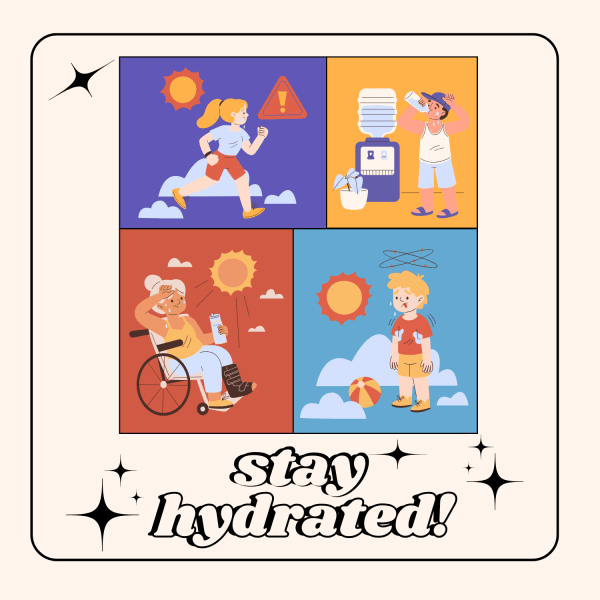
Water is a vital part of almost every process in the human body. Our Wellness Blogger Mary Wilson shows you why staying hydrated is so important and offers helpful guidelines on how to do it.

Located in downtown Denver, Sway Wellness Spa integrates the latest technology into services, offers accessible memberships, and brings a community setting to younger generations who yearn for a wellness experience that is not like their mothers'.
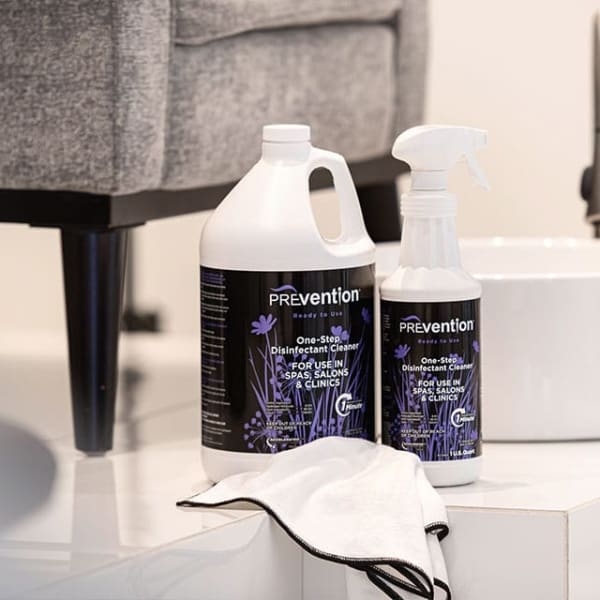
As a spa or salon professional, your clients expect more than just beauty—they expect safety, hygiene, and peace of mind. Fungal infections like Athlete’s Foot and Nail Fungus are more common than you think, especially in environments where tools and footbaths are reused without proper sanitation. This blog covers how to stop these issues before they start, using proven infection prevention strategies for salons and spas.

As the kids head back to school and the seasons shift, it might be time to clear your energy. Our Wellness Blogger Mary Wilson talks about why it's important and illustrates some of the different methods involved.

Do summer barbeques and sweet treats to beat the heat have you relaxing your healthy eating goals? Here comes our Wellness Blogger Mary Wilson to the rescue with some success hacks and meal prep tips that take advantage of the season's bounty.