










Jotform
Form Builder & Data Management
 MENU
MENU SEARCH
Salon POS solutions range in price from free to $200/month and up. Typically prices are based on the number of users, and there may be additional costs for installation, hardware, and payment processing.

Getty images/Andrey Suslov
Salon point-of-sale solutions range in price from free to $200/month and up. Typically each salon POS software maker offers a range of prices, usually based on how many users will be logging in and on how many features your hair, nail, or skin care salon needs. For example, the same software may be priced differently for a solo stylist, a three-person staff, and a multi-location salon that prefers a plan with unlimited software licenses. A free version may offer only email support, while the top-tier version may have 24/7 online chat and phone support available.
Many hair/beauty/nail salon software options start with a free trial, which typically includes about 14 to 30 days of use. This is a good opportunity to see not only how intuitive the software is for you and your team members to utilize on a day-to-day basis, but also to determine which of the advertised features truly meet your needs.
For example, you may want a salon POS that includes online booking capabilities, but if that feature means that you have to manually adjust appointment times due to system glitches, then it’s best to know that before you purchase a plan. Also, some companies will automatically begin charging you once the free trial term expires, so be sure to cancel if the management software you try isn’t a good fit.
Once you’ve purchased a salon POS, you’ll typically be billed upfront monthly or annually for the software. Ask your provider how billing is handled if you need to upgrade or downgrade the number of software licenses in the middle of your term.
The most obvious cost for a salon POS is the software itself, which is typically readily available on the technology provider’s website. But there are also other costs that you need to keep in mind.
Some POS systems are a simple DIY installation, but others benefit from having a paid handyman and/or technical support person route hardware wiring, install software integrations, test payment registers, and handle other one-time setups.
You’ll also need to inquire about costs related to migrating your existing data, such as client names and email addresses, into your new system. Some salon management software will do this for free, some charge, and others offer both free DIY options and paid concierge options. Whichever you opt for, before you lose access to your current management software, export all of your salon’s data — or you risk losing it.
You may also incur costs for onboarding and training and in ongoing support for you and your team members.
Compatible hardware varies based on your chosen software and your salon’s needs, but you will likely need to purchase items like mobile chip readers, receipt printers, cash drawers, e-tablets, barcode scanners, and monitors.
Your salon POS solution might offer deals on this hardware, or you may need to purchase these items on your own (based on a list of supported hardware). Of course, the busier the salon and the more employees who need to access equipment simultaneously (such as the credit card reader), the more expensive your hardware investment will be.
{incontentformtoken}
Some salon point-of-sale options have built-in payment processors, others use third-party merchant providers, and some have both options. Regardless of which option you choose, your salon will have to pay to process each credit card payment.
These per-use fees vary based on factors such as the total dollar amount of charges per month, the average ticket size, whether transactions are swiped or keyed-in, and whether it also charges a monthly fee. Swiped credit card fees vary from about 2.0% to 2.9%, and keyed-in fees are higher at about 3.5% (to account for the increased risk of potential fraud).
These are the most common costs incurred with salon POS software, but you should also inquire whether there any fees that tend to surprise new customers, which may include charges for client reminder text messages or for integrations such as caller ID-client profile with different types of modems.
Form Builder & Data Management
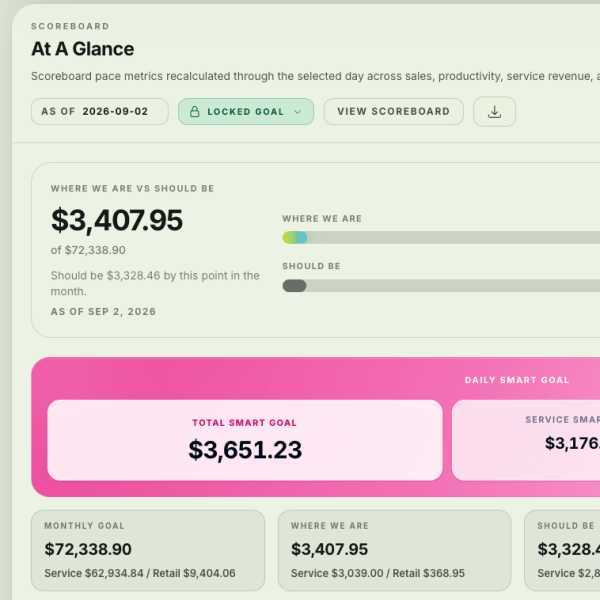
Financial & Team Management Software

Multi-Location Management Software
Business Management, POS & Booking
AI Front Desk
Growth Marketing Software Solutions
Business Management & Booking Software

As technology evolves at an accelerated rate, you want to make sure you have the best in your business toolkit to help you grow sales, motivate your team, communicate with your current and future clientele, and streamline your managerial tasks. The 2026 SALON TODAY Technology Solutions Guide is designed to help you navigate today's growing landscape of salon and spa technology. In this guide, you'll find a curated look at more than 50 of the latest software platforms, digital solutions, and innovative features to help you compare options and identify the best fit for your business.
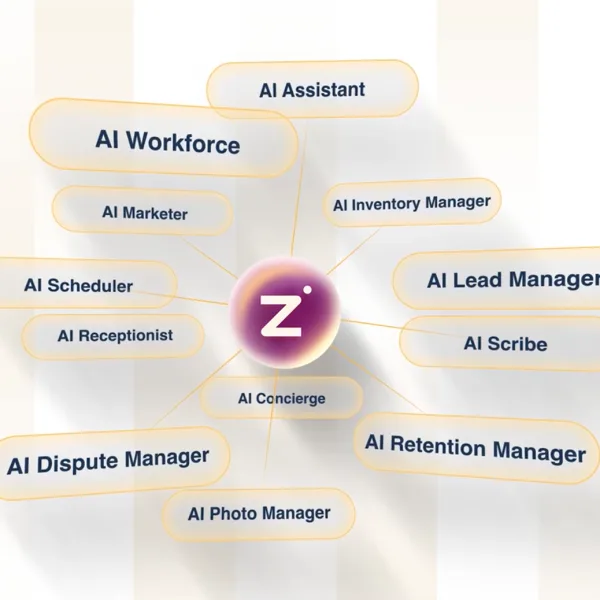
AI-Powered Salon Software
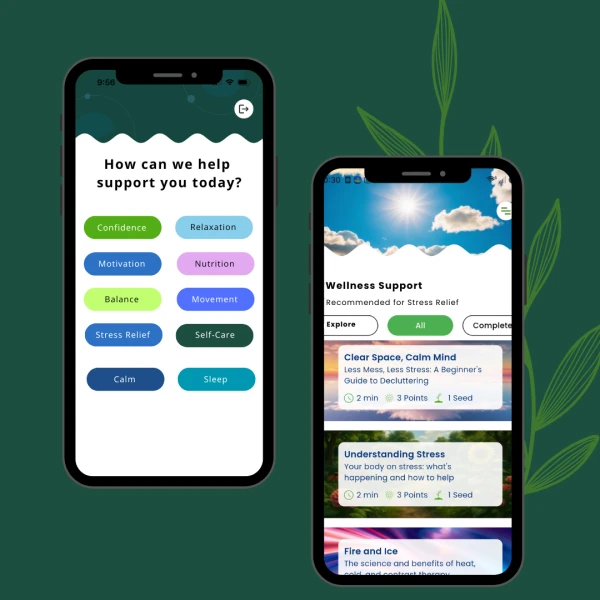
Employee Wellbeing Platform
Business Management
Tipping Software
SMS Management
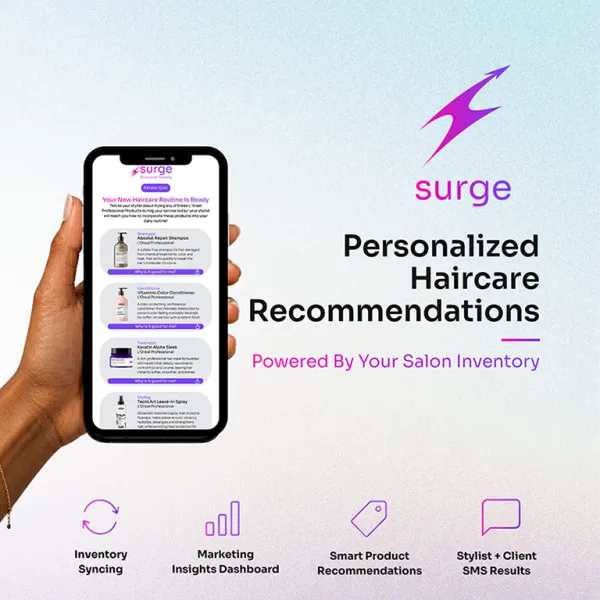
AI Retail Sales
Supply System
Tipping App
Business Management