Does looking at social media before bed make you lose sleep or sleep more? Two studies debate.
The Sleep Foundation recently released a survey that found that adults who use Instagram, Snapchat or TikTok before bed sleep at least two minutes more than average each night.
While two minutes doesn't sound like much, this does run contradictory to a recent study from the American Academy of Sleep Medicine (AASM), which found that 80% of U.S. adults lose sleep because of social media use.
Ad Loading...
Key Findings:
U.S. Adults spend 3.5 hours on social media before bed each day
74.7% of social media use occurs before bed
73.8% of respondents use YouTube for at least one minute before bed, followed by 72% using Facebook.
More than half of respondents (55.2%) check Facebook as soon as they wake up, well more than No. 2 Instagram (31.4%)
Facebook also causes us the most anxiety, with 21.5% of respondent ranking it as such. TikTok is a distant second at 12.8%
“Watching emotional or violent things before bed factors into later bedtimes and fewer hours of sleep on a typical weeknight. When you’re seeing that on your feed, it will probably raise your heart rate and maybe make it harder for you to fall asleep," says Linda Charmaraman, Ph.D., senior research scientist at the Wellesley Centers for Women and director of the Youth, Media & Wellbeing Research Lab and medical contributor for SleepFoundation.org.
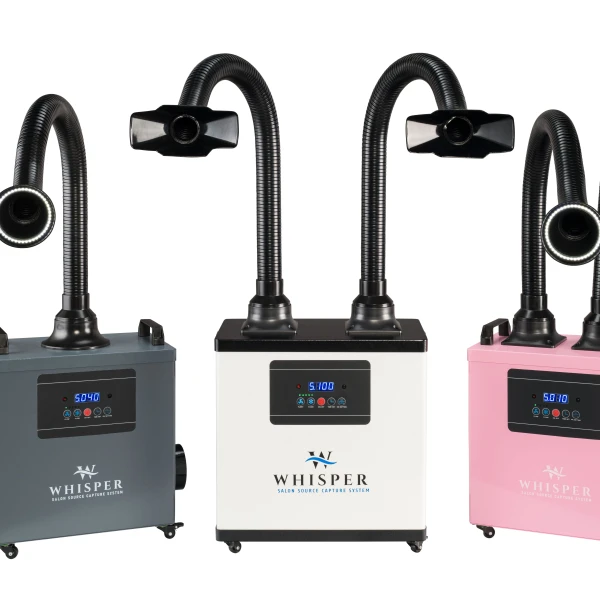
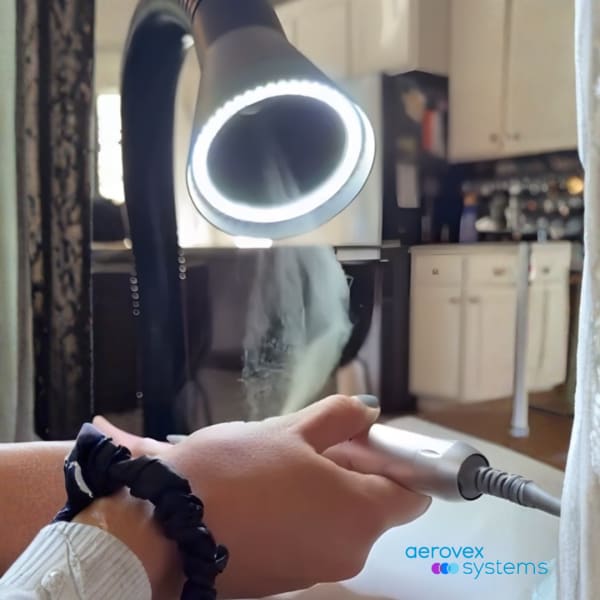
Both systems capture vapors and dust right at the nail table. The difference is where that air goes next, and that one detail can decide whether your salon passes inspection.
Your guest decides what kind of salon this is in the first ten seconds, long before she is in the chair, and scent is the piece most owners leave to chance. Aura House co-owner Leif Frey lays out what ambient scent can and cannot do, why air quality is an engineering question rather than a fragrance one, and the four decisions that matter more than the scent you choose.
You do not need to be a therapist to listen well. You do need to know where your role begins and ends. In her first blog for SALON TODAY, Modjossorica (Rica) Elysée shares five ways you and your team members can respond with care.
Your body doesn't necessarily tell the difference between a promotion and a deadline. In her first wellness blog for SALON TODAY, Wellify Co-Founder Laura Fuqua explains why even good stress has an impact.
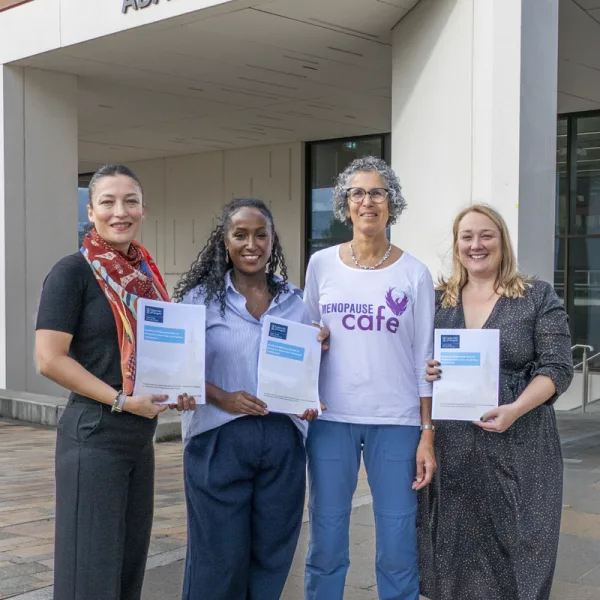
Popping up across the UK, Menopause Cafés are helping women seek professional help with their menopause journeys. What better place to play host to one of these gatherings than a spa?
New services on the menu can create new opportunities, but they can also expose your business to greater liability. SASSI's Kathy Lopez shares a few services that pose greater risk, discusses some of the mistakes owners make when expanding their menus, and lists simple risk management strategies.
From acrylic monomers to airborne bio-dust, the air inside a nail salon carries risks most professionals never see coming. Aerovex Systems reveals the source-capture and room-purification strategies that are setting a new standard for salon safety.
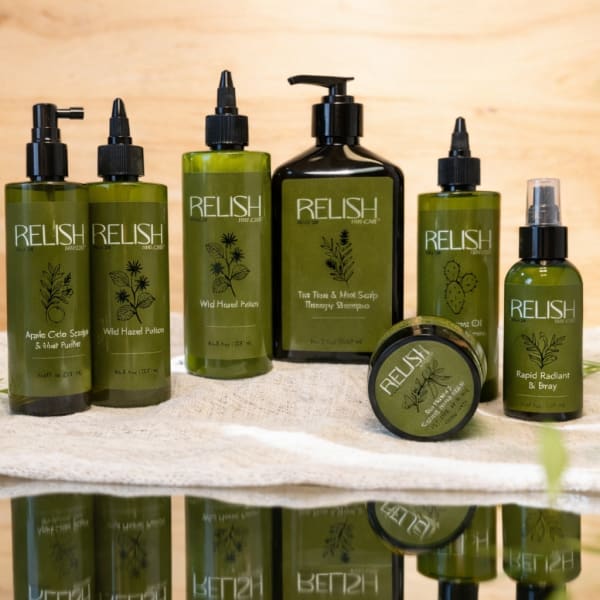
Good hair starts at the scalp. But most salons aren’t offering services or products that address scalp health. Relish, a new product line from the founders of Signature Formulations, has everything salons need to deliver an effective head spa service and offer guests a robust at-home scalp care line.
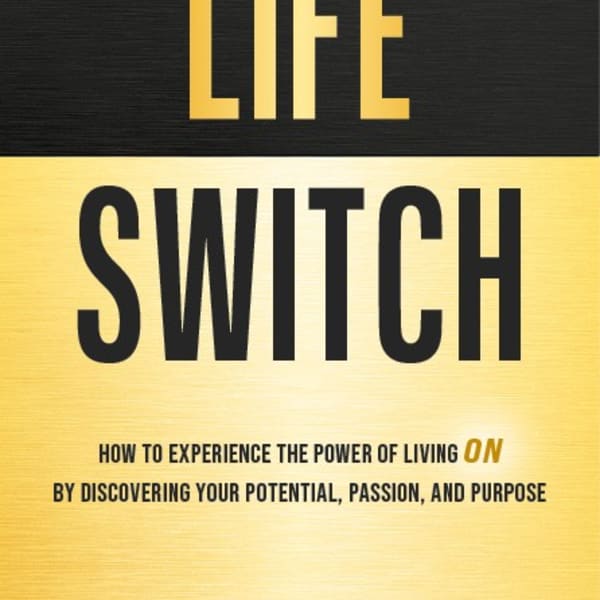
A new book by Joel Steele shows that the most powerful change people can make is to think differently if they want different results. The author believes in the 'Life Switch' so fervently that he's willing to donate $1 million from book sales when he sells his millionth copy.
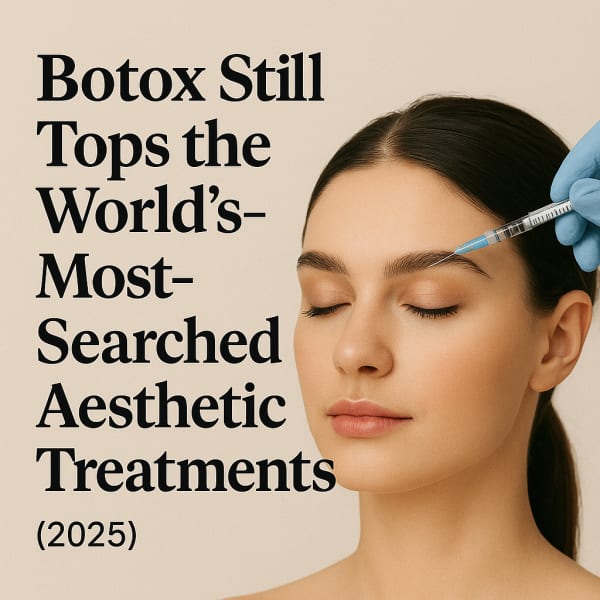
New global search data from beauty and wellness booking platform Fresha reveals that Botox remains the world’s most in-demand aesthetic treatment in 2025—but regenerative “tweakments” like polynucleotide injections, thread lifts and IV drips are seeing explosive growth across key markets.
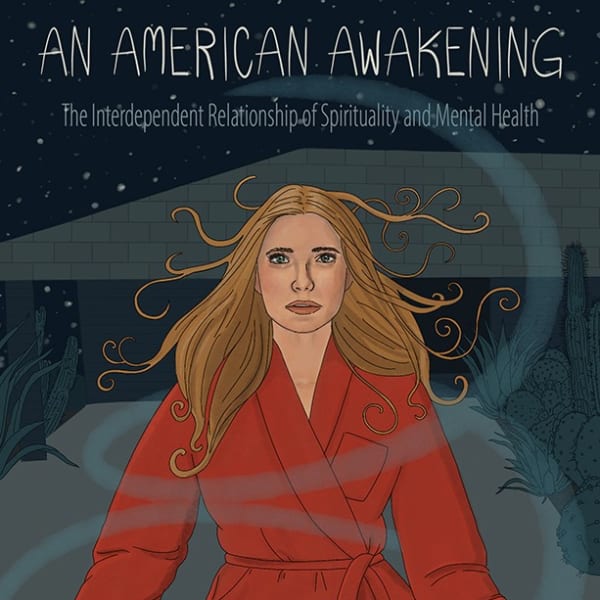
As rates of anxiety, depression, and substance use continue to climb across the U.S., conversations around mental health are more urgent than ever—yet one crucial perspective remains missing. In her captivating new book, Aymie Daniels introduces the little-known concept of “Spiritual Emergency” and opens a timely conversation about how America understands (and often mislabels) extreme psychological states.