Author, Survivor and Thriver Shares 6 Tips for Anyone Suffering from Personal Tragedy
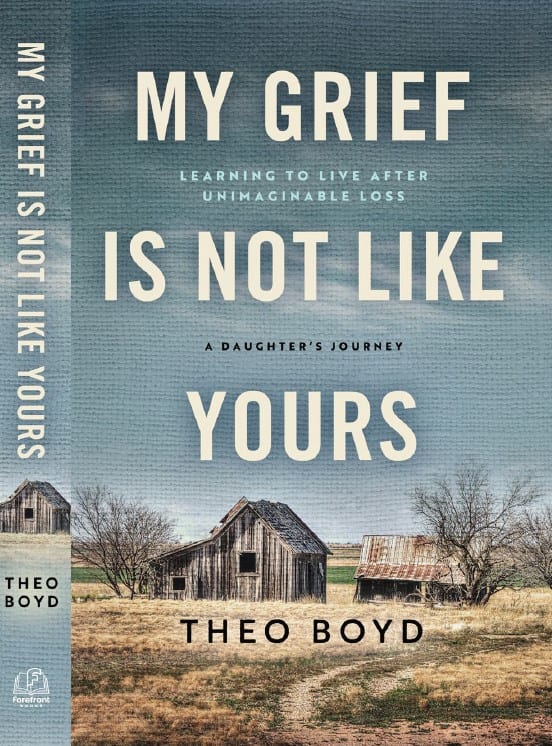
A personal tragedy teaches Author Theo Boyd how to get through grief, and she shares her tips in her new book, My Life is Not Like Yours.
by Staff
September 11, 2024
3 min to read
How do you get through the unthinkable? In a new book, Author Theo Boyd shares her own personal tragedy, as well as what's she's learned as a survivor to help others get through grief.
In June 2019, Boyd was content and fulfilled. She enjoyed teaching high school English and was proud to have a daughter in college. She had a beautiful home in a Dallas suburb and a successful husband. And she had a close, loving relationship with her sister and her parents.
Ad Loading...
Life had become what she had always wanted—until July 29, 2019. On that terrible day, her mother was killed in a tragic farming accident. She was accidentally run over by a tractor. And her father was the driver. Grief-striken, her father later took his life.
In My Grief Is Not Like Yours, Boyd intertwines the story of her struggle with complicated grief, the type of heavy, lingering grief that follows an unexpected, unspeakable loss, with a tribute to her extraordinary parents and their devotion to each other.
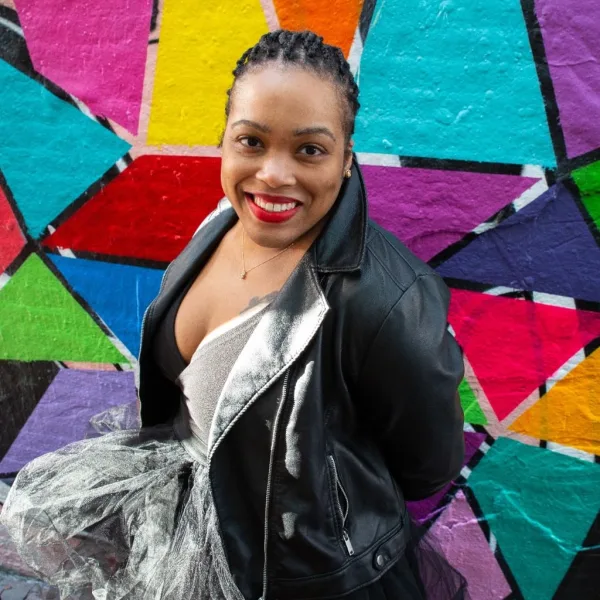
Author Theo Boyd shares tips for dealing with grief after the tragedy of her mother's accidental death and her father's suicide.
Brian Chatlien
Here, Boyd shares what she's learned as a survivor, sharing insights for others who may be going through a traumatic experience:
Keep in Touch
Reach out to loved ones, friends, and spiritual leaders for comfort, understanding and healing. Surround yourself with people who are willing to listen when you need to talk, as well as those who'll offer a shoulder to lean on when you'd rather be silent.
Grieve in Your Own Way
Do what's right for you, not necessarily someone else. There is no single "right" way to grieve. If you find it too painful to visit your loved one's gravesite or share the details of your loved one's death, wait until you're ready.
Ad Loading...
Be Prepared for Painful Reminders
Anniversaries, holidays, and other special occasions can be painful reminders of your loved one's suicide. Don't beat yourself up for being sad or mournful. Instead, consider changing or suspending family traditions that are too painful to continue.
Expect Setbacks
Some days will be better than others, even years after the suicide — and that's OK. Healing doesn't often happen in a straight line.
Consider a Support Group for Families Affected by Suicide
Sharing your story with others experiencing the same grief might help you find a sense of purpose or strength. However, if you find going to these groups keeps you ruminating on your loved one's death, seek out other methods of support.
About the Author:Theo Boyd, named Thelizabeth after her two grandmothers, Thelma and Elizabeth, is a farmgirl at heart. For most of her adult life, she lived in Waxahachie, Texas, about 30 minutes south of Dallas, where she taught high school English, raised her daughter, and actively volunteered in various organizations, her community, and her church. After 30 years, she moved back to her hometown of Whitney, Texas, to come to terms with the death of her mother in a tragic farming accident, followed three years later by her father’s suicide. She now devotes her time to writing and speaking about loss, grief, and faith with the mission of helping others find comfort and hope.
Both systems capture vapors and dust right at the nail table. The difference is where that air goes next, and that one detail can decide whether your salon passes inspection.
Your guest decides what kind of salon this is in the first ten seconds, long before she is in the chair, and scent is the piece most owners leave to chance. Aura House co-owner Leif Frey lays out what ambient scent can and cannot do, why air quality is an engineering question rather than a fragrance one, and the four decisions that matter more than the scent you choose.
You do not need to be a therapist to listen well. You do need to know where your role begins and ends. In her first blog for SALON TODAY, Modjossorica (Rica) Elysée shares five ways you and your team members can respond with care.
Your body doesn't necessarily tell the difference between a promotion and a deadline. In her first wellness blog for SALON TODAY, Wellify Co-Founder Laura Fuqua explains why even good stress has an impact.
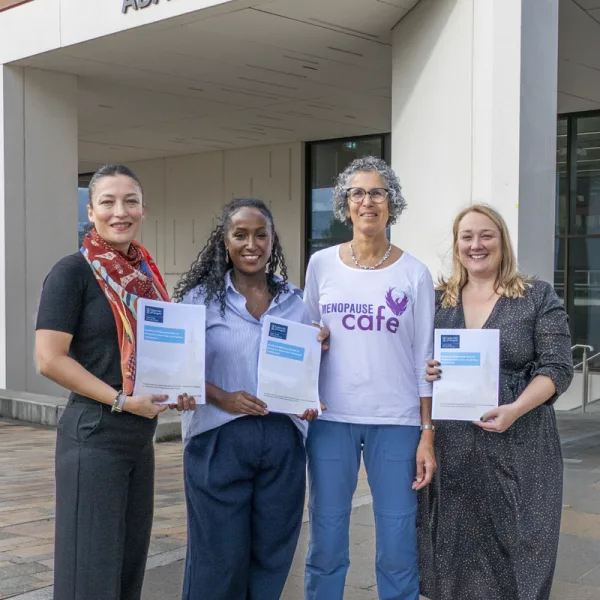
Popping up across the UK, Menopause Cafés are helping women seek professional help with their menopause journeys. What better place to play host to one of these gatherings than a spa?
New services on the menu can create new opportunities, but they can also expose your business to greater liability. SASSI's Kathy Lopez shares a few services that pose greater risk, discusses some of the mistakes owners make when expanding their menus, and lists simple risk management strategies.
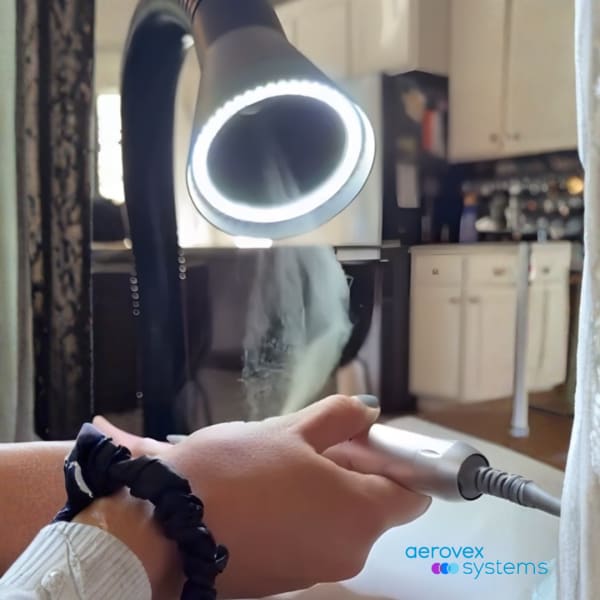
From acrylic monomers to airborne bio-dust, the air inside a nail salon carries risks most professionals never see coming. Aerovex Systems reveals the source-capture and room-purification strategies that are setting a new standard for salon safety.
Good hair starts at the scalp. But most salons aren’t offering services or products that address scalp health. Relish, a new product line from the founders of Signature Formulations, has everything salons need to deliver an effective head spa service and offer guests a robust at-home scalp care line.
A new book by Joel Steele shows that the most powerful change people can make is to think differently if they want different results. The author believes in the 'Life Switch' so fervently that he's willing to donate $1 million from book sales when he sells his millionth copy.
New global search data from beauty and wellness booking platform Fresha reveals that Botox remains the world’s most in-demand aesthetic treatment in 2025—but regenerative “tweakments” like polynucleotide injections, thread lifts and IV drips are seeing explosive growth across key markets.
As rates of anxiety, depression, and substance use continue to climb across the U.S., conversations around mental health are more urgent than ever—yet one crucial perspective remains missing. In her captivating new book, Aymie Daniels introduces the little-known concept of “Spiritual Emergency” and opens a timely conversation about how America understands (and often mislabels) extreme psychological states.