









The Nail Salon Ventilation Code Every Owner Should Know
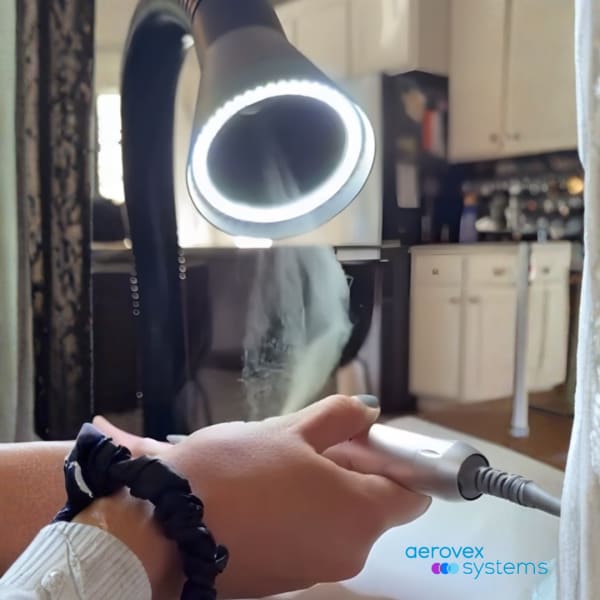
What actually counts as 'source capture' under nail salon ventilation code, and what doesn't (even if it feels like it should).
Sponsored by Aerovex Systems
 MENU
MENU SEARCH
Seasonal Affective Disorder can cause low mood, anxiety, fatigue and weight gain. Wellness experts at Fresha offer helpful tips to help you overcome SAD and feel your best this winter.


Do you suffer from Seasonal Affective Disorder? The wellness experts at Fresha come to the rescue with 7 helpful tips.
Pixabay
SAD, more commonly known as the ‘winter blues’, is a seasonal depression that usually occurs during daylight savings, and whilst the exact cause is not fully known, it has been linked to reduced exposure to sunlight.
Wellbeing experts at beauty and wellness marketplace Fresha have compiled a list of seven tips that can help you manage SAD symptoms this winter season.
It is always best to see a GP if you think you have SAD, especially if you are finding it difficult to cope in the winter months. SAD has been linked to the following symptoms:
Consistent low mood
Irritability
Anxiety
Feeling unsociable
Tiredness and fatigue, even with a full nights of rest
Oversleeping
Hunger, cravings for ‘comfort’ foods – those high in carbohydrates and sugars
Weight gain
Decreased sex drive
Here are seven tips you can use to help you deal with SAD this winter:
Aromatherapy is the use of essential oils to help promote well-being. Though this is not a treatment, aromatherapy can be a therapeutic and holistic option to help alleviate symptoms of anxiety and generally make you feel good. The best way to start aromatherapy at home is by using a diffuser that disperses scented vapour into the atmosphere.
Scents can elicit specific emotions and memories, making you feel better, so finding a scent that makes you feel good or reminds you of a fun or fond memory is best.
Try adding an aromatherapy diffuser to your morning or night-time routine. Lemon or peppermint essential oils are great for the morning and can create an uplifting atmosphere. Lavender essential oils are great if you are having trouble sleeping, as this can help increase melatonin production. Other essential oils such as ylang-ylang, orange and clary sage also help decrease anxiety and can be used at any time of day.
Keeping a diary is a great tool that can highlight any patterns and SAD symptoms you are experiencing. Using a notepad or even your notes app on your phone, note down key moments of your day that you think are affecting you. This can help you understand what makes you feel better or worse and creates a sense of mindfulness.
Less sunlight exposure and time spent outdoors in the winter months can result in a lack of vitamin D, a primary cause of SAD, as vitamin deficiency is associated with depressive symptoms. Vitamin D supplements are great to take during the winter months, though if in doubt, consult your GP.
Other natural ways to increase vitamin D are by incorporating mushrooms, egg yolks, and yogurt into your meals, as these are naturally high in the vitamin. However, light exposure outdoors is the quickest way to increase vitamin D levels. Try keeping curtains open and allow natural light and UV rays to penetrate windows or increase your time outside.
Those with SAD frequently use light therapy through the use of a ‘Light Box’, which works by simulating sunlight. It helps reduce the production of melatonin, which can make you sleepy and is often used in the mornings to help you wake up and get out of bed. These are inexpensive and are a great tool to implement into your morning routine.
The colder months call for more comfort food, as eating what you crave can reduce stress hormones. Although this can make you feel good, it can have a negative long-term affect if you are not consuming a healthy, balanced diet.
When experiencing SAD, it can be beneficial to consume foods high in the amino acid Tryptophan. Studies have suggested that there is a direct link between this amino acid and the production of serotonin, the hormone related to happiness, memory, sexual desire and sleep. Tryptophan-rich foods include salmon, chicken and turkey. Vegetarian and vegan sources include pumpkin seeds, tofu (and other soya-based foods) and spinach.
Finally, your gut biome is also directly linked to the production of serotonin, and poor gut health is linked to depression and hormone imbalances. It is important to ensure you include enough water, fruits, vegetables, and fibre in your diet to maintain gut health. Challenge yourself to have at least five to seven fruits and vegetables a day.
Physical exercise is essential for all adults and should be done every week. This does not mean high-intensity workouts; it can be moderate to light activity that can help get your blood pumping. This can even significantly reduce the chance of a stroke or heart disease.
According to the NHS, adults should do at least 150 minutes of moderate to light physical activity a week; this equates to 21 minutes of exercise daily.
That said, a more vigorous exercise routine is better as this can release the neurotransmitter dopamine, more commonly known as the ‘happy hormone’. A minimum of 75 minutes of vigorous/high-intensity exercise should be done per week, and this can be broken down into three 25-minute exercises. This is recommended, as this can naturally alleviate your SAD symptoms, and if you do this outdoors, you can also increase your vitamin D intake.
Surprisingly, plants can help create a calm, peaceful environment that alleviates anxiety.
Some species of plants can help purify the air around you; plants such as Chrysanthemums, Monstera plants and Spider plants are great to keep in bedrooms or living rooms and can remove indoor pollutants. This clean, fresh air helps raise oxygen levels in your brain and can impact your serotonin levels. Furthermore, caring for plants is a common practice for those who want to improve their mental health, and successfully caring for a plant in the winter months can create a feeling of accomplishment and well-being.
Being prepared, especially if you know you suffer from SAD, can reduce the impact of symptoms severely. If your symptoms follow a pattern, you will be able to know when they start and can get ahead of them.
One way you could prepare is by cooking and freezing meals in advance for when you have little to no energy; this ensures you have a balanced and healthy meal ready without effort. It also works out more cost-effectively, as batch cooking is cheaper, and you will always have a meal prepared, so you can avoid ordering an unhealthy takeaway.
Meal prepping is one way to prepare for the winter months, but preparing for other things, such as events or social gatherings, in advance is a great way to reduce stress and anxiety. You can also plan for some spare time, where you do not have activities planned, but have a day to yourself where you can recuperate or re-arrange stressful activities or events for a later date.
What actually counts as 'source capture' under nail salon ventilation code, and what doesn't (even if it feels like it should).
Sponsored by Aerovex Systems
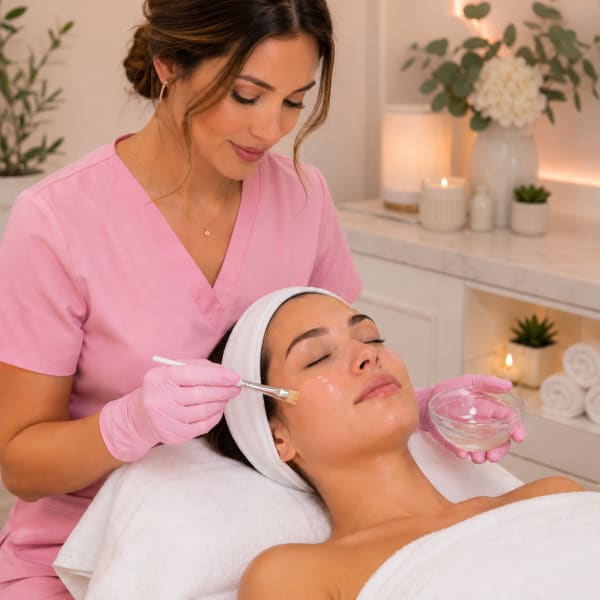
New services on the menu can create new opportunities, but they can also expose your business to greater liability. SASSI's Kathy Lopez shares a few services that pose greater risk, discusses some of the mistakes owners make when expanding their menus, and lists simple risk management strategies.

Shine Time: Aluram’s High Shine Line Delivers Moisture and Shine with Clean Ingredients
Sponsored by Aluram

Explore this curated selection of standout brands and essential products shaping today’s growing wellness and spa industry.

Neutralizing the damaging effects of water benefits the hair from texture to shine to color longevity, and it’s the science behind Malibu C products.
Sponsored by Malibu Wellness
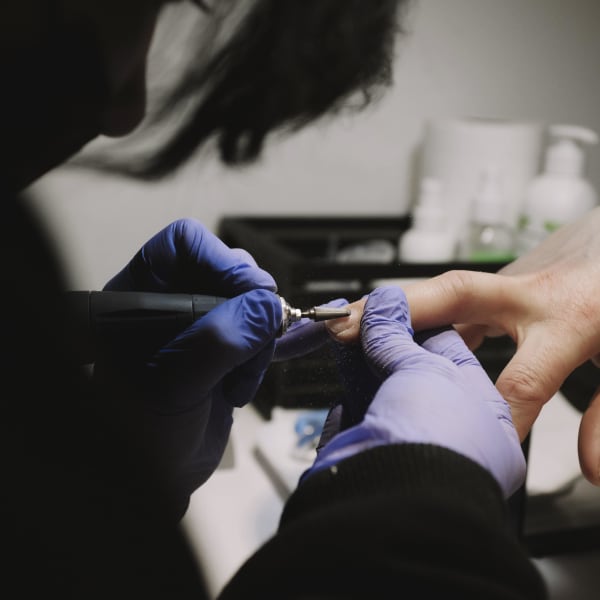
From acrylic monomers to airborne bio-dust, the air inside a nail salon carries risks most professionals never see coming. Aerovex Systems reveals the source-capture and room-purification strategies that are setting a new standard for salon safety.
Sponsored by Aerovex Systems
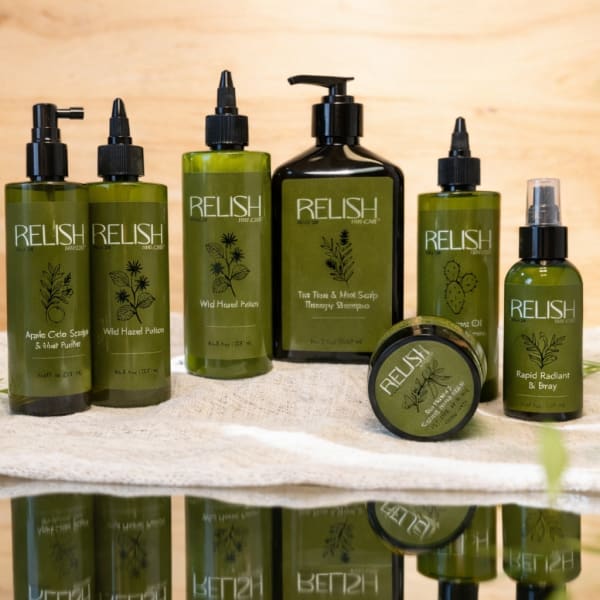
Good hair starts at the scalp. But most salons aren’t offering services or products that address scalp health. Relish, a new product line from the founders of Signature Formulations, has everything salons need to deliver an effective head spa service and offer guests a robust at-home scalp care line.

A new book by Joel Steele shows that the most powerful change people can make is to think differently if they want different results. The author believes in the 'Life Switch' so fervently that he's willing to donate $1 million from book sales when he sells his millionth copy.
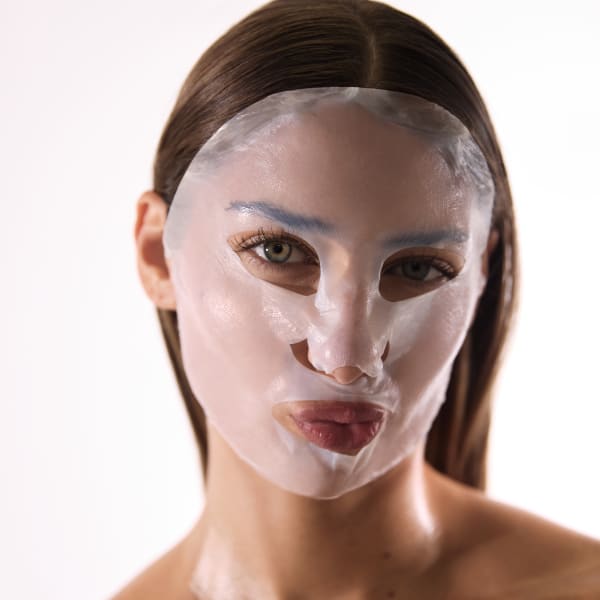
In an era where clients demand visible results with minimal recovery time, salons and spas are redefining what professional skincare means.

New global search data from beauty and wellness booking platform Fresha reveals that Botox remains the world’s most in-demand aesthetic treatment in 2025—but regenerative “tweakments” like polynucleotide injections, thread lifts and IV drips are seeing explosive growth across key markets.
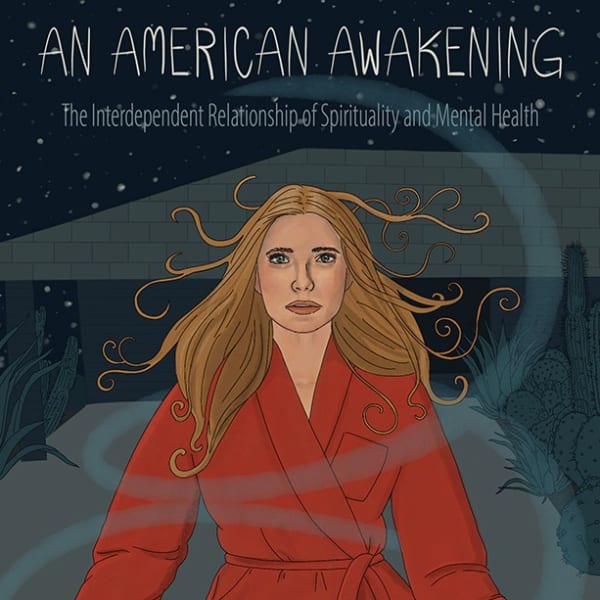
As rates of anxiety, depression, and substance use continue to climb across the U.S., conversations around mental health are more urgent than ever—yet one crucial perspective remains missing. In her captivating new book, Aymie Daniels introduces the little-known concept of “Spiritual Emergency” and opens a timely conversation about how America understands (and often mislabels) extreme psychological states.

Author and Lifestyle Coach Mark Reinisch's new book challenges the outdated 'work ethic' model, which values success over health, happiness, and the soul. His antidote: wellness ethic lifestyle design--a bold, practical approach to building a life that works for you, on your terms.
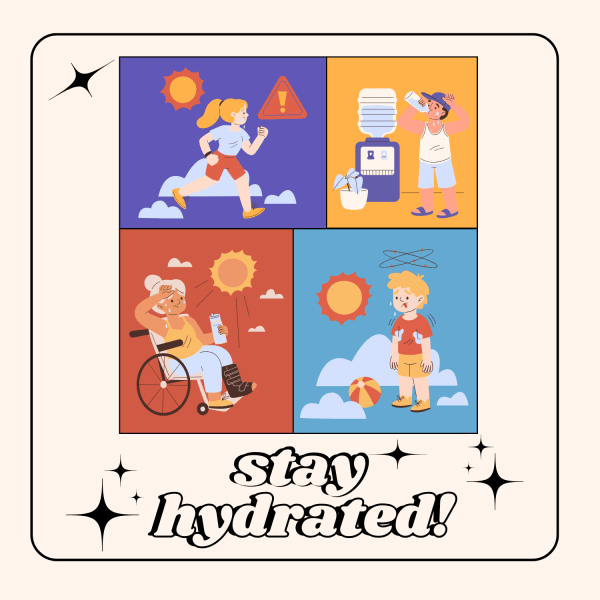
Water is a vital part of almost every process in the human body. Our Wellness Blogger Mary Wilson shows you why staying hydrated is so important and offers helpful guidelines on how to do it.

Located in downtown Denver, Sway Wellness Spa integrates the latest technology into services, offers accessible memberships, and brings a community setting to younger generations who yearn for a wellness experience that is not like their mothers'.
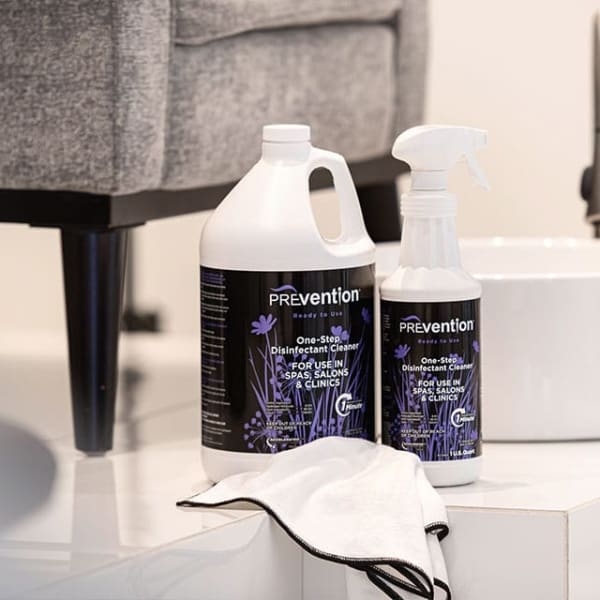
As a spa or salon professional, your clients expect more than just beauty—they expect safety, hygiene, and peace of mind. Fungal infections like Athlete’s Foot and Nail Fungus are more common than you think, especially in environments where tools and footbaths are reused without proper sanitation. This blog covers how to stop these issues before they start, using proven infection prevention strategies for salons and spas.

As the kids head back to school and the seasons shift, it might be time to clear your energy. Our Wellness Blogger Mary Wilson talks about why it's important and illustrates some of the different methods involved.
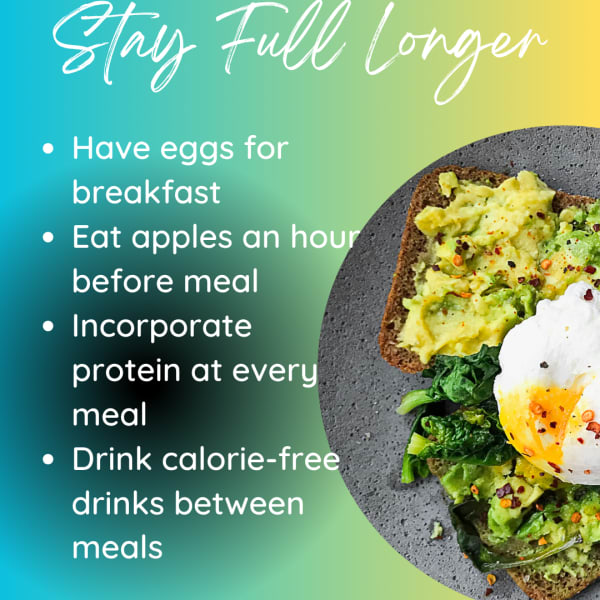
Do summer barbeques and sweet treats to beat the heat have you relaxing your healthy eating goals? Here comes our Wellness Blogger Mary Wilson to the rescue with some success hacks and meal prep tips that take advantage of the season's bounty.