









Kelly Huether Reacquires Life of Riley and Riley Salon Resources
Life of Riley Salon Supply and Riley Salon Resources are back in the family, as Kelly Huether acquires the professional distributor he co-founded in 2013.
by Staff
 MENU
MENU SEARCH
A dermatology group set out to discover how spending more time on video calls is impacting consumer thought and action, and the results are illuminating.

Whether it’s for work or to stay in touch with friends and family, nearly everyone is spending more time looking at their faces on devices over the past 18 months. As cameras and video conferencing software gets more and more advanced, consumers are left with often unforgiving portrayals of themselves. As a result there has been a significant boom in cosmetic dermatology procedures over the past year.
Advanced Dermatology recently surveyed 1,450 Americans who regularly spend time on video calls, to better understand how they are affected and what catches their attention on calls. The resulting report shed a light on how this new activity is making Americans feel about themselves.
The impact of seeing ourselves under the harsh scrutiny of Zoom in undeniable:
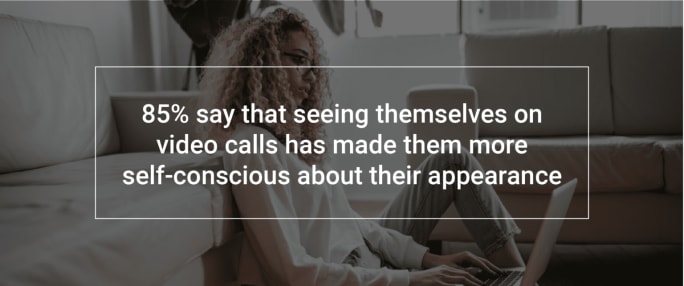
85% say that seeing themselves on video calls has made them more self-conscious about their appearance
73% say they’re less happy with their appearance than they were before the pandemic
When asked what features they felt most self-conscious about, bags under the eyes, forehead and teeth ranked highest. Zooming our from particular features, broader ‘looks’ also are captured on video calls, which people find problematic. Sometimes rather than fixating on how their nose or hair looks, people are left feeling like they look more ‘tired’ or ‘angry.’
Of those surveyed, 83 percent admit they stare at themselves a lot on video calls. People usually fixate on their own eyes, hair and forehead more than anything else.
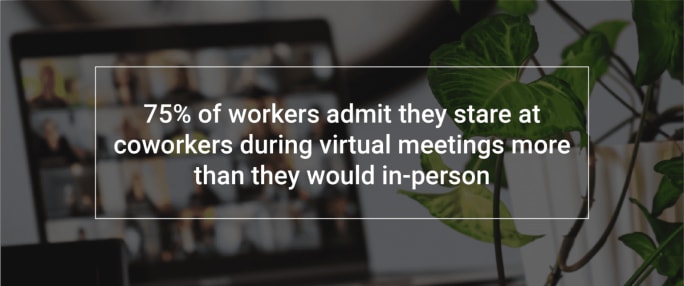
But that’s not the only thing we’re staring at. Those who participate in virtual meetings for work are putting their coworkers under the microscope as well. Seventy-eight percent of people have compared their own faces to coworkers’ faces during a virtual meeting, and three in four workers admit they stare at people more in virtual meetings than they would in person, since the dynamic is different and no one can tell.
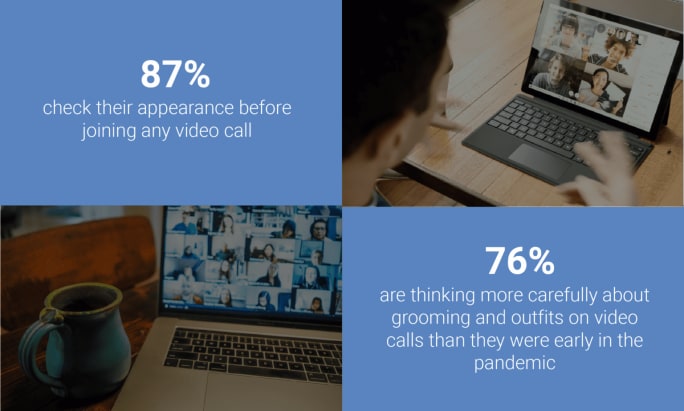
Despite all the jokes about people not wearing pants to virtual meetings, data shows that people are quite aware of the scrutiny they may be under on these calls. Most people don’t just show up casually, without consideration for how they look. Eighty-seven percent of those surveyed check their appearance before joining any video call and 60 percent use the ‘touch-up’ feature to enhance their appearance when it’s available. On top of that, 76 percent say they’re thinking more carefully about grooming and outfits on video calls now than they were at the beginning of the pandemic.
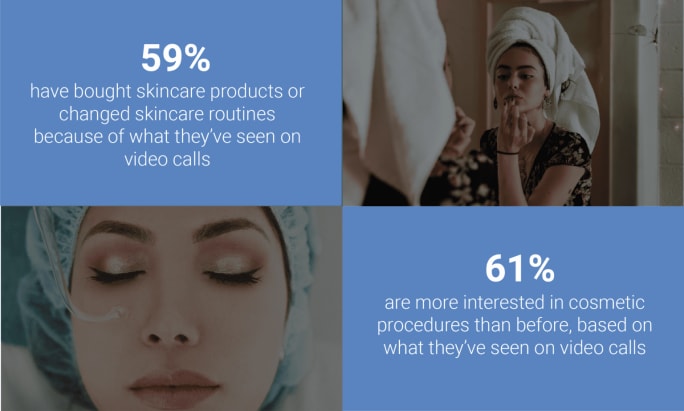
True to its name, the Zoom Boom is a real phenomenon and many people are making bigger investments in their appearance as a result of the pandemic. Of those surveyed, 59 percent say they’ve bought products or changed skincare routines because of what they have seen on video calls, and 61 percent say they are more interested in cosmetic procedures based on what they’ve seen on video calls.
For more detail, link to the full report.
Life of Riley Salon Supply and Riley Salon Resources are back in the family, as Kelly Huether acquires the professional distributor he co-founded in 2013.
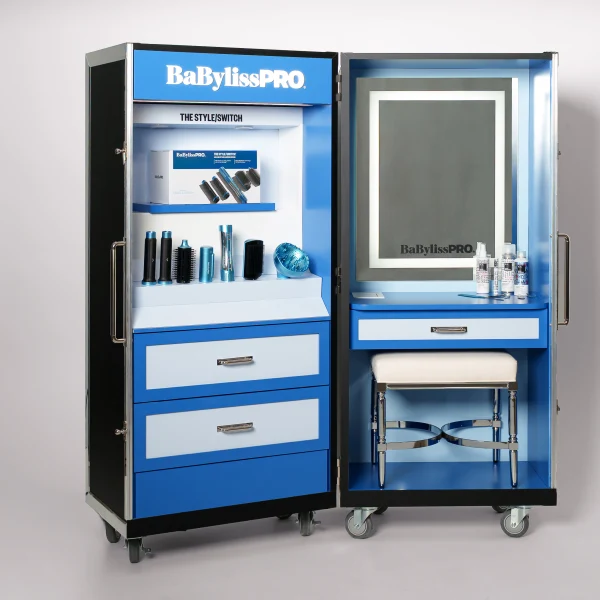
BaBylissPRO and IGK have partnered to launch the BaBylissPRO Studio Trunk, transforming the professional tool brand’s digital Style Studio into a physical experience for the first time in its sixty-year history.
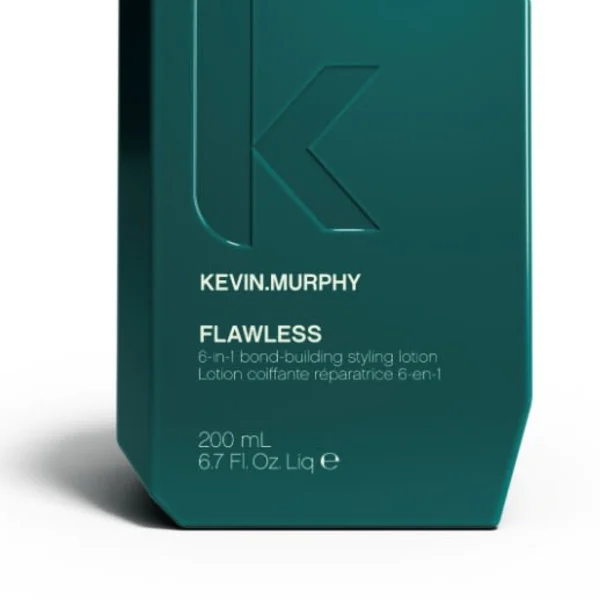
KEVIN.MURPHY's Flawless combines hair repair and styling benefits using KM.Re.Bond technology.
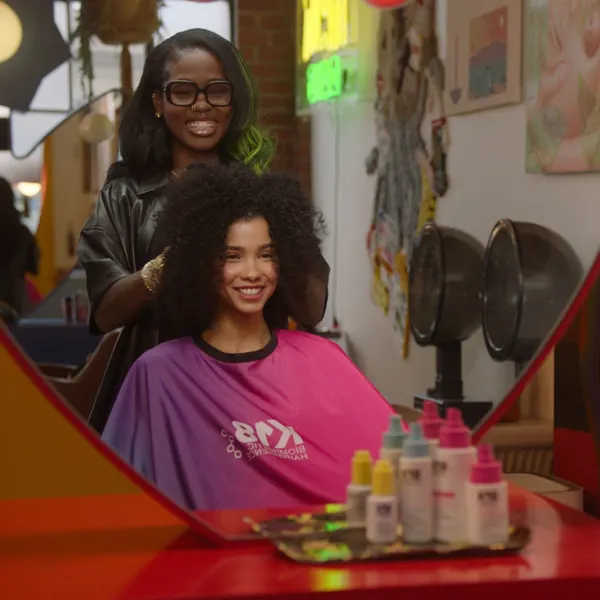
K18 Biomimetic Hairscience has partnered with Beauty Changes Lives to launch the K18 Future of Hair Scholarship, aiming to support aspiring professional stylists by reducing financial barriers to cosmetology education.

Rosy Salon Software integrates with Mya, empowering salons, spas, and barbershops to transform their websites into powerful, automated lead-generation machines.
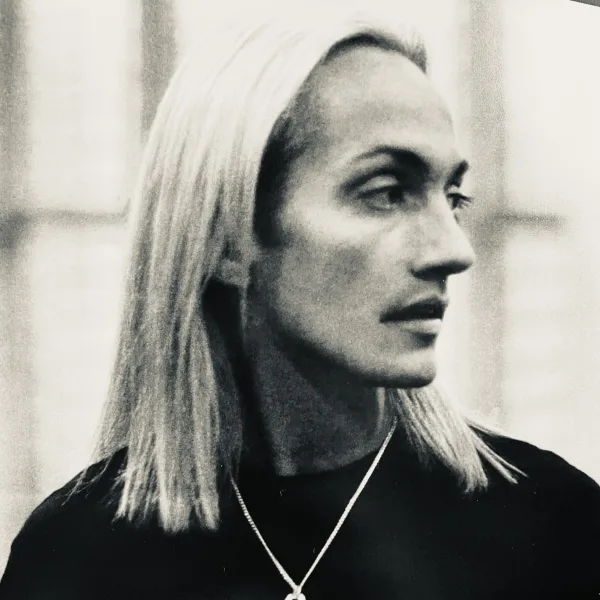
Known for his buttery blondes and a technique for highlighting hair with more precision that he called chunking, Brad Johns died on August 27. His friend and fellow colorist, David Stanko, shares thoughts on his talented colleague and close friend.

The Green Beauty Community Foundation convenes beauty brands, salon-industry leaders, educators, and sustainability organizations for a collaborative professional beauty gathering on September 23rd in New York.

At 80, global feminist, former marriage and family therapist, executive coach, and powerlifter Barrie Zucal shows women how to stop letting “debilitating goodness” derail their dreams. Her empowering new book, BOLD: How Women Play BIG by Leading Instead of Pleasing, calls out the quiet conditioning that holds women back from achieving their ambitions — and shows them how to free themselves.

From a Santa Monica apartment startup to the nation's largest sugaring and sunless tanning brand, SUGARED + BRONZED reaches a major milestone with 50 locations across 10 markets.
The Davines Edit reflects the brand’s passion for people and planet.