









Kelly Huether Reacquires Life of Riley and Riley Salon Resources
Life of Riley Salon Supply and Riley Salon Resources are back in the family, as Kelly Huether acquires the professional distributor he co-founded in 2013.
by Staff
 MENU
MENU SEARCH
No surprise that products promoting a cleaner lifestyle--soaps, sanitizers, even shampoos--continue to hold but products that are deemed 'can-wait' items may struggle for years to come, according to this new report from Kline.

There’s nothing pretty to say about this: The U.S. cosmetics and toiletries market is on track to experience the sharpest decline ever recorded in the 60+ years Kline has been tracking the market due to the COVID-19 pandemic. So far, the 0.8% drop in 2009 during the last recession is the biggest market dip ever reported by Kline. The only other time Kline noted a market decrease was a 0.3% falloff in 1991 amid another recession.
Previously forecast to grow at a CAGR of 3.8% through 2023, Kline has revised its forecasts for the $75 billion U.S. market due to the unfolding crisis. New forecasts, published by Kline last week in a special report on the topic, indicate a decline of 2.5% in 2020 as the most likely outcome, with the best-case scenario reflecting a 1.5% gain and the worst-case scenario at an 8.1% drop. And given the current state of the pandemic, with lockdowns now inching closer toward summer months, our current worst-case scenario may, in fact, become the most-likely scenario.
“Given the unprecedented situation that is unfolding globally as both a health crisis as well as a financial one, it is not surprising that the beauty market should experience its worst performance now,” says Carrie Mellage, Vice President of Kline’s Consumer Products Practice. “Even our worst-case scenario of ‑8% probably does not feel steep enough given the dark days we are all living, but there are enough essential categories in the mix to keep the market stable.”
Kline’s forecasting analysis clusters beauty categories into four groups:
Rescue categories, such as hand sanitizers and liquid hand soaps, that will experience spiked levels
Everyday basics like shampoos and deodorants, which consumers are expected to more or less use as usual
Soothing solutions such as facial skin care and nail polishes, which are expected to decline near term but may benefit from consumers turning to them as a treat and/or to maintain or establish a part of their routine they can still control
Can-wait categories including fragrances and color cosmetics, which are expected to decline sharply during social distancing of the health crisis and continue to suffer during the economic fallout in the years to come
“The cosmetics market will undoubtedly suffer in 2020 and in the years to come, but we expect it to recover within three to five years as it has in all past recessions,” says Mellage. “Compared to other industries, the beauty market is fairly recession-proof, and its products will continue to be desired by consumers—both for meeting basic needs as well as an indulgence.” Historically, the “lipstick theory” has proven true, with lipsticks (during the four recessions from 1973 through 2001) and eye makeup (in the most recent 2008-2009 recession) performing exceptionally well during recessionary times. “Perhaps we’ll have another winner in the mix this time too,” adds Mellage.
Kline’s scenario forecasts were generated using expert judgement, based on a thorough review of decades of category performance through previous recessionary periods, along with what is currently known about the unfolding pandemic and economic situation. Detailed scenario forecasts and commentary are provided for 20 individual product categories in Kline’s Impact of COVID-19 on the U.S. Cosmetics & Toiletries Market report.
About Kline
Kline is a worldwide consulting and research firm dedicated to providing the kind of insight and knowledge that helps companies find a clear path to success. The firm has served the management consulting and market research needs of organizations in the agrochemicals, beauty & personal care, chemicals & materials, energy, and life sciences industries for more than 60 years. For more information, visit www.KlineGroup.com.
Originally posted on Modern Salon
Life of Riley Salon Supply and Riley Salon Resources are back in the family, as Kelly Huether acquires the professional distributor he co-founded in 2013.
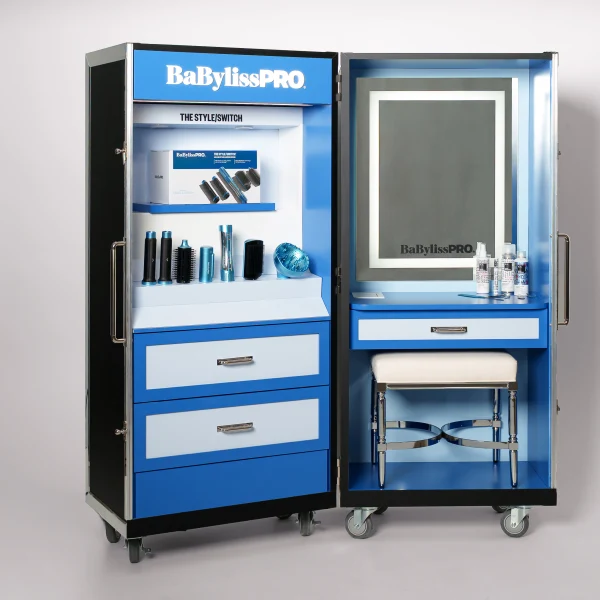
BaBylissPRO and IGK have partnered to launch the BaBylissPRO Studio Trunk, transforming the professional tool brand’s digital Style Studio into a physical experience for the first time in its sixty-year history.
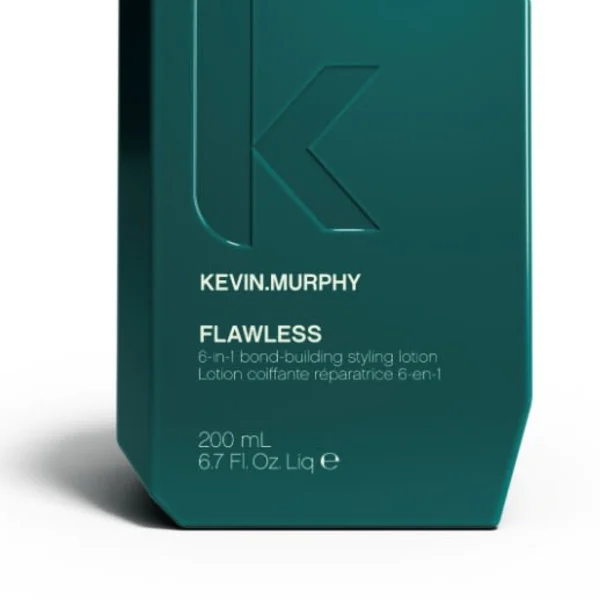
KEVIN.MURPHY's Flawless combines hair repair and styling benefits using KM.Re.Bond technology.
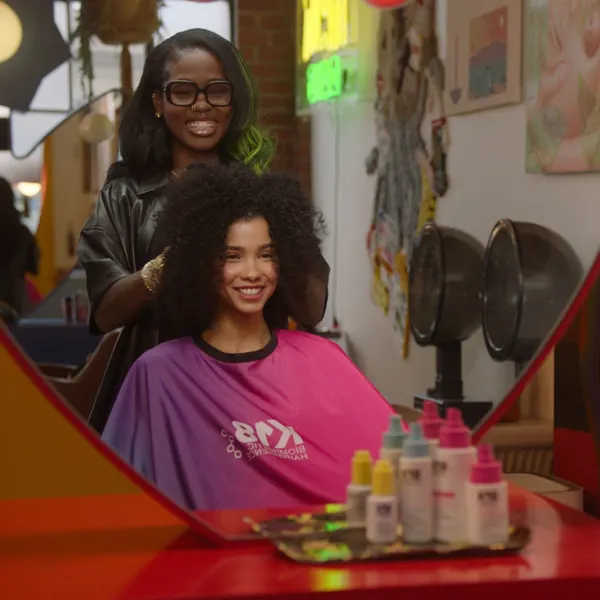
K18 Biomimetic Hairscience has partnered with Beauty Changes Lives to launch the K18 Future of Hair Scholarship, aiming to support aspiring professional stylists by reducing financial barriers to cosmetology education.
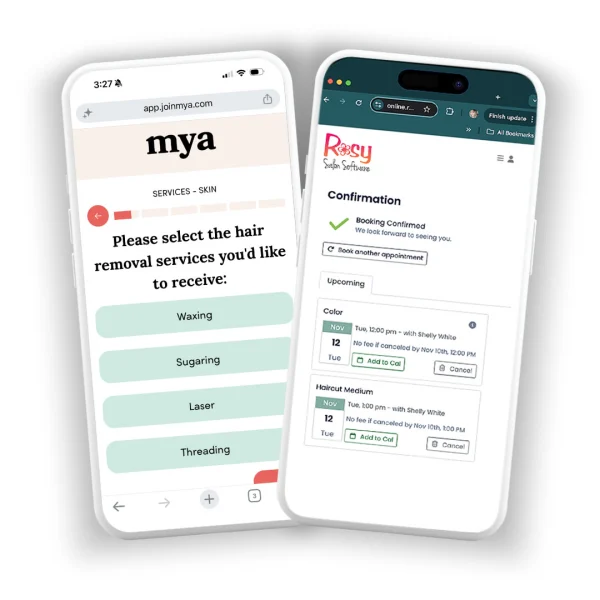
Rosy Salon Software integrates with Mya, empowering salons, spas, and barbershops to transform their websites into powerful, automated lead-generation machines.

Known for his buttery blondes and a technique for highlighting hair with more precision that he called chunking, Brad Johns died on August 27. His friend and fellow colorist, David Stanko, shares thoughts on his talented colleague and close friend.
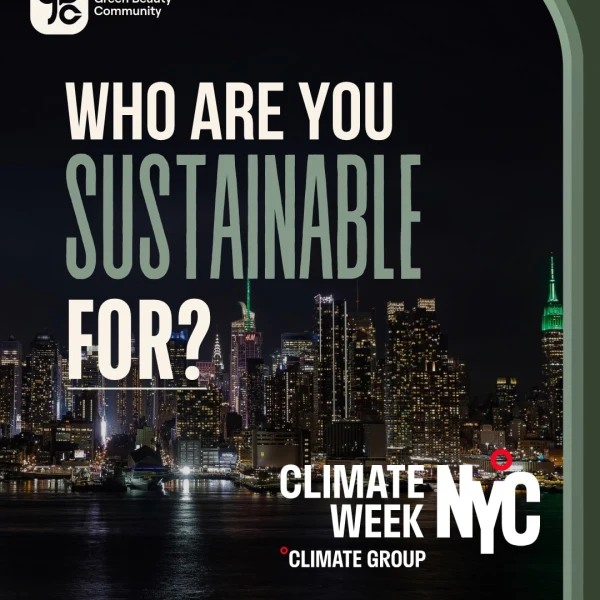
The Green Beauty Community Foundation convenes beauty brands, salon-industry leaders, educators, and sustainability organizations for a collaborative professional beauty gathering on September 23rd in New York.
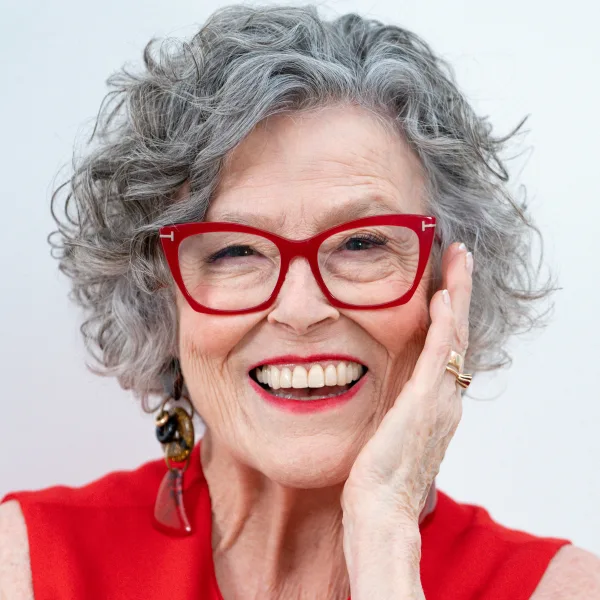
At 80, global feminist, former marriage and family therapist, executive coach, and powerlifter Barrie Zucal shows women how to stop letting “debilitating goodness” derail their dreams. Her empowering new book, BOLD: How Women Play BIG by Leading Instead of Pleasing, calls out the quiet conditioning that holds women back from achieving their ambitions — and shows them how to free themselves.
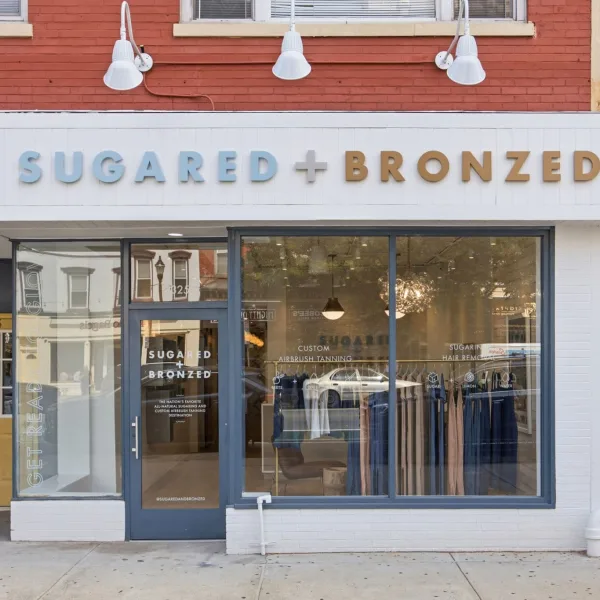
From a Santa Monica apartment startup to the nation's largest sugaring and sunless tanning brand, SUGARED + BRONZED reaches a major milestone with 50 locations across 10 markets.
The Davines Edit reflects the brand’s passion for people and planet.