










Kelly Huether Reacquires Life of Riley and Riley Salon Resources
Life of Riley Salon Supply and Riley Salon Resources are back in the family, as Kelly Huether acquires the professional distributor he co-founded in 2013.
by Staff
 MENU
MENU SEARCH
Eighteen years after penning The Experience Economy, author Jim Gilmore will help International Salon/Spa Business Network members tap into their authenticity.

In 1999, Jim Gilmore and B. Joseph Pine, II, shaped the way businesses around the world studied experience design, customer experience management and experiential marketing when they published The Experience Economy: Work is Theatre and Every Business a Stage.
In early May, Gilmore will take the stage as a keynote speaker at the International Salon and Spa Business Network conference, which will take place at the Ritz Carlton Great Lakes in Orlando, Florida. But first, he stopped by SALON TODAY, and shared what he’s been up to since releasing the business bestseller.
Salon Today: Since introducing businesses to concept idea that experiences can be sold, what’s changed?
Gilmore: “Here are a few ways things have gone. Many businesses have added the word “Experience” to their name, such as the Salon Experience. In fact I have an amusing collection of photos of businesses that have done just that. That wasn’t the point though—we’d much rather a business offer an actual experience than just rename themselves as one.
“We have seen real changes though. Businesses are looking beyond traditional marketing and marketing themselves through an experience or an event. Take for example, the Red Bull Crashed Ice downhill skating event. Operations also are changing to have more concern for their customer’s time. Experiences are becoming more digital too, with the advent of texting and social media. And, finally, businesses are finding ways to offer and charge for the experience. For examples, restaurants are offering pre-fix dining experiences to their menus, hotels are charging extra for the 24-hour day rate, and salons charge for a styling experience with their blowdry bars.”
ST:You talk about the room as being the most basic building block of an experience. Can you give us an example?
Gilmore: “Basically, we’re seeing people do some really creative things with rooms, where you can create an experience that people will pay to have. For example, you’ve probably heard of Escape Rooms where people pay to be locked in a room and then they follow a series of clues in order to get out. There are Rage Rooms where they give you a helmet, flack jacket and a sledge hammer and let you relieve your stress by smashing outdated big screen TVs and computers. Some spas have put in salt rooms, where guests simply pay to enjoy the benefits of sitting in a room made of salt. I recently taught a class and the students were tasked with the assignment of coming up with a room experience. One group decided to charge people $40 for the experience of immersing themselves in a blank room with art supplies and color the walls, much in the way that adult coloring book have gotten popular. I thought it was genius.”
ST: In 2007, you released the book Authenticity: What Consumers Really Want, which taught businesses how to manage authenticity as a business principle. How does that relate to salons?
Gilmore: “Basically, as people encounter intentionally staged experiences, they want the real from the genuine, instead of the fake from a phony. There are two standards. First, be true to yourself. Then, be true to the kind of salon that you are. Make sure clients experience what you say they will, that you deliver on the promise you make in advertising and marketing. In addition, consumers are purchasing today based on how a business conforms to their own self-image. They select a salon based on a place and an environment where they imagine themselves—‘That’s the kind of place I get my hair done.’ They say, ‘I like that—I am like that.’”
ST:Your latest book, Look: A Practical Guide for Improving Your Observational Skills, details an approach for seeing the world and discovering new ideas.
Gilmore: “Any innovation begins with observation. When you observe the world around you, study your customers and take note of the smallest things, you can spot trends before others see them. For example, we recently worked with an eye surgeon and instead of merchandising his office with racks and racks of eyeglasses as most do, he starts the experience with a client survey, then as assistant brings out six different lenses on a tray—like a flight of sight. By integrating the flight concept into the doctor’s office, it curated an entirely different consumer experience.”
Gilmore will take the stage at the 2017 conference for the International Salon/Spa Business Network, which will be held May 7-9 at the Ritz Carlton Great Lakes in Orlando, Florida. To learn more about the event or purchase tickets, visit salonspanetwork.org.
Life of Riley Salon Supply and Riley Salon Resources are back in the family, as Kelly Huether acquires the professional distributor he co-founded in 2013.
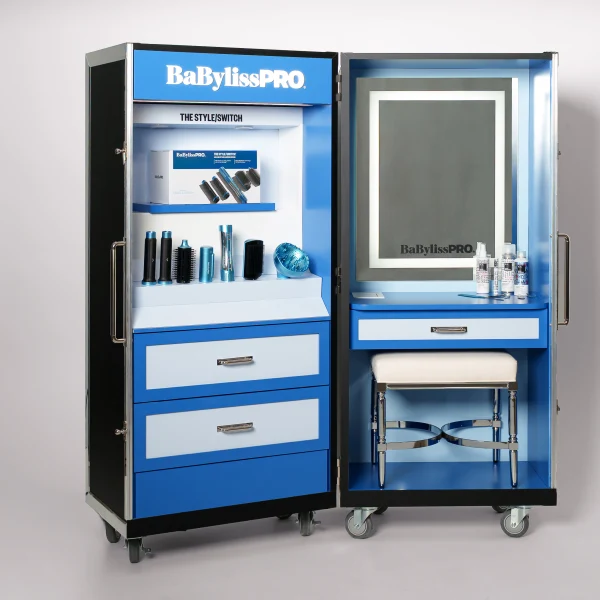
BaBylissPRO and IGK have partnered to launch the BaBylissPRO Studio Trunk, transforming the professional tool brand’s digital Style Studio into a physical experience for the first time in its sixty-year history.
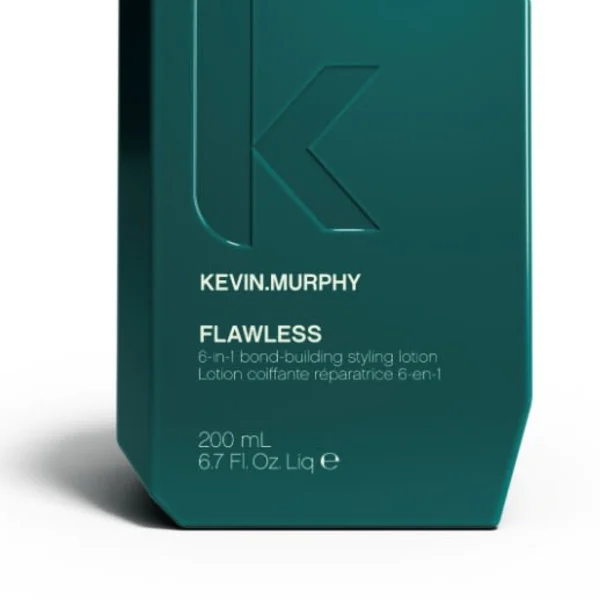
KEVIN.MURPHY's Flawless combines hair repair and styling benefits using KM.Re.Bond technology.
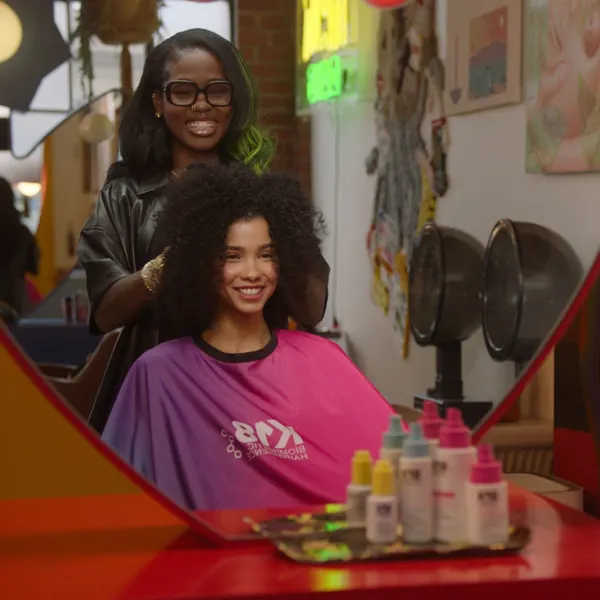
K18 Biomimetic Hairscience has partnered with Beauty Changes Lives to launch the K18 Future of Hair Scholarship, aiming to support aspiring professional stylists by reducing financial barriers to cosmetology education.

Rosy Salon Software integrates with Mya, empowering salons, spas, and barbershops to transform their websites into powerful, automated lead-generation machines.

Known for his buttery blondes and a technique for highlighting hair with more precision that he called chunking, Brad Johns died on August 27. His friend and fellow colorist, David Stanko, shares thoughts on his talented colleague and close friend.

The Green Beauty Community Foundation convenes beauty brands, salon-industry leaders, educators, and sustainability organizations for a collaborative professional beauty gathering on September 23rd in New York.
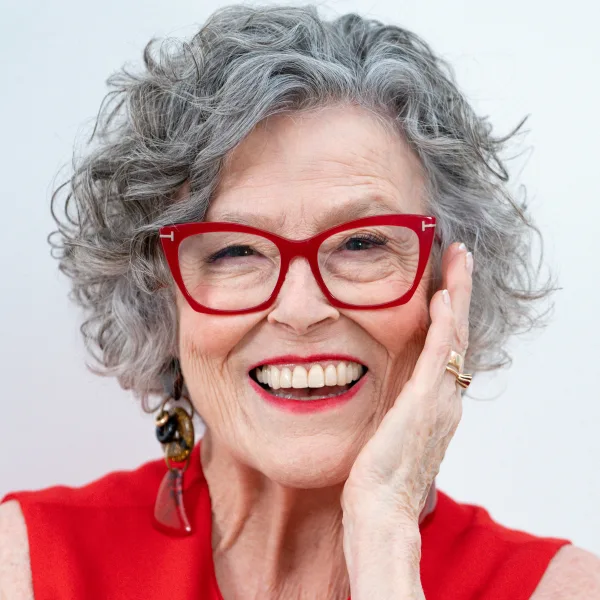
At 80, global feminist, former marriage and family therapist, executive coach, and powerlifter Barrie Zucal shows women how to stop letting “debilitating goodness” derail their dreams. Her empowering new book, BOLD: How Women Play BIG by Leading Instead of Pleasing, calls out the quiet conditioning that holds women back from achieving their ambitions — and shows them how to free themselves.
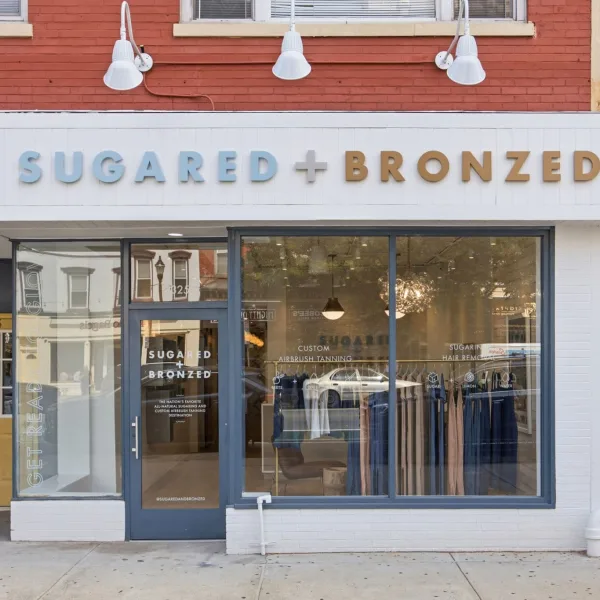
From a Santa Monica apartment startup to the nation's largest sugaring and sunless tanning brand, SUGARED + BRONZED reaches a major milestone with 50 locations across 10 markets.

The Davines Edit reflects the brand’s passion for people and planet.