The pandemic gave a shift toward walkable cities momentum, and urban centers have been building on it ever since. Can your salon business leverage the benefit of this trend?
by Staff
October 8, 2025
2 min to read
Minneapolis
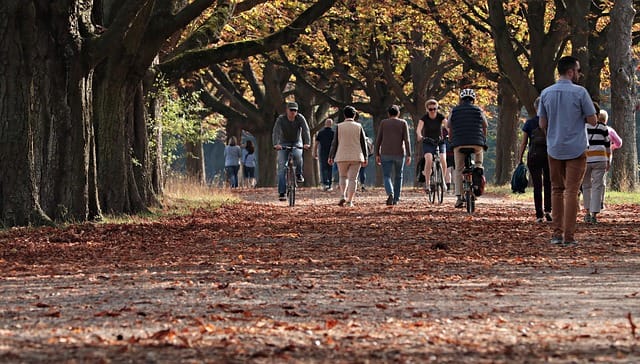
Minneapolis, Miami and Pittsburgh earn top marks for walkable, live-work-play envirornments where dependence on cars for daily activities is significantly reduced.
Pixabay
Walkability is no longer just a “nice-to-have” — it’s become a blueprint for equitable, future-proof urban living. In 2025, the truly car-optional city delivers the trifecta: walkability, rideability, and reliable transit working seamlessly together — on streets buzzing with jobs, shops, and cafés.
Ad Loading...
So, which U.S. cities are getting it right? To answer that, StorageCafe created the Pedestrian Friendliness Index — a national ranking that goes beyond simple walk scores. It blends walking, biking, and transit access with commute times, neighborhood amenities, and safety, offering the clearest benchmark of where life without a car is most possible.
And here's an extra benefit: the most pedestrian-friendly cities aren’t just easier to navigate — they’re also easier to afford. This isn’t just about real estate or convenience; it’s about how urban design is reshaping opportunity, affordability, and quality of life in the decade ahead.
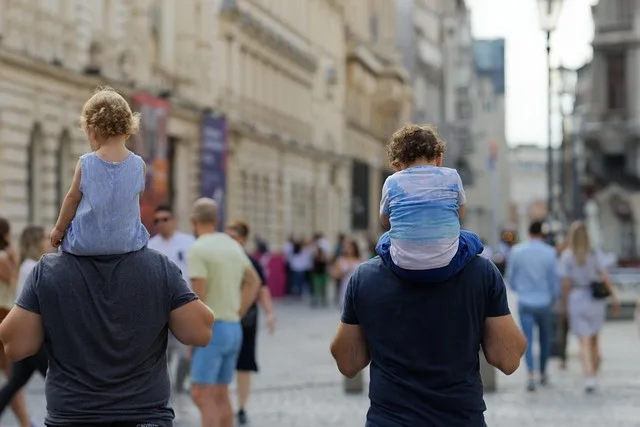
New York City ranks first for public transit, while San Francisco takes the lead for walkability.
Pixabay
These are the U.S. cities where people, not cars, set the pace.
Minneapolis tops the ranking, ahead of heavyweights like New York and San Francisco. It doesn’t win by out-New-Yorking New York, but by doing what the coastal giants can’t — pairing strong walk and bike scores with shorter commutes, safer streets, and more affordable homes.
Miami lands at #2, proving that Sunbelt sprawl doesn’t have to mean car dependency. With robust walk and transit access plus top marks for healthcare and dining, Miami shows a car-optional future can thrive even in cities designed for driving.
The Heartland stands out with Pittsburgh, St. Paul, Buffalo, Rochester, Cleveland, and Grand Rapids combining pedestrian-friendly design, shorter commutes, and affordable housing — rewriting the map of walkable livability.
Several of the top-ranked cities are closing in on the 15-minute city ideal. With schools, shops, cafés, and daily essentials within easy reach, places like Salt Lake City, Pittsburgh, and the Twin Cities show that real urban revitalization begins with proximity.
Nearly half of the top 20 cities aren’t just walk-and-ride friendly — they’re also genuinely affordable, with the best mortgage-to-income ratios found in the Rust Belt and Midwest.
Ad Loading...
The car-optional shift is also reshaping self-storage demand. With smaller homes and fewer garages, cities like Miami and Washington, D.C. are seeing some of the fastest-growing self-storage inventories.
Stylists Yene Damtew and Jamal Edmonds launch Coil Event, a textured hair event for working stylists with hands-on education, live demonstrations, industry conversation, and networking.
The easily wearable formula delivers XL volume, extreme length, and a weightless, lifted finish without the heaviness of traditional volumizing mascaras.
The International SPA Association recently announced that Jefferson Fisher, Jamie Kern Lima and Zack Kass are the keynote speakers for its 2027 Conference, scheduled for March 3-5 at Mandalay Bay in Las Vegas.
Life of Riley Salon Supply and Riley Salon Resources are back in the family, as Kelly Huether acquires the professional distributor he co-founded in 2013.
BaBylissPRO and IGK have partnered to launch the BaBylissPRO Studio Trunk, transforming the professional tool brand’s digital Style Studio into a physical experience for the first time in its sixty-year history.
K18 Biomimetic Hairscience has partnered with Beauty Changes Lives to launch the K18 Future of Hair Scholarship, aiming to support aspiring professional stylists by reducing financial barriers to cosmetology education.
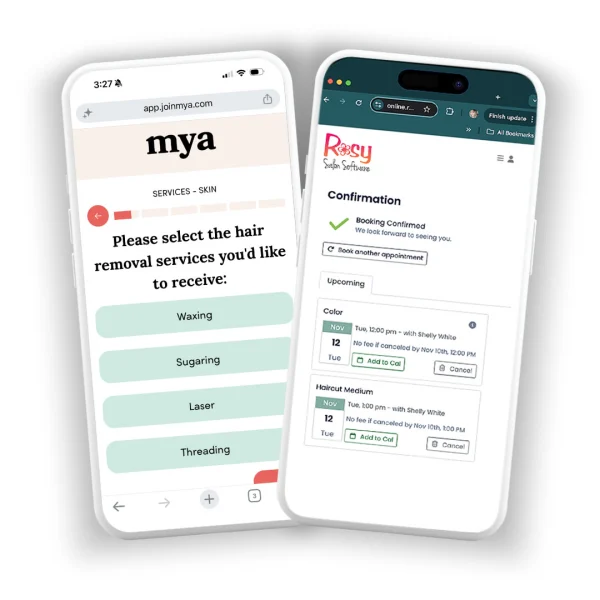
Rosy Salon Software integrates with Mya, empowering salons, spas, and barbershops to transform their websites into powerful, automated lead-generation machines.
Known for his buttery blondes and a technique for highlighting hair with more precision that he called chunking, Brad Johns died on August 27. His friend and fellow colorist, David Stanko, shares thoughts on his talented colleague and close friend.