










Kelly Huether Reacquires Life of Riley and Riley Salon Resources
Life of Riley Salon Supply and Riley Salon Resources are back in the family, as Kelly Huether acquires the professional distributor he co-founded in 2013.
by Staff
 MENU
MENU SEARCH
A new report criticizes the regulations' impact against students and entrepreneurs.
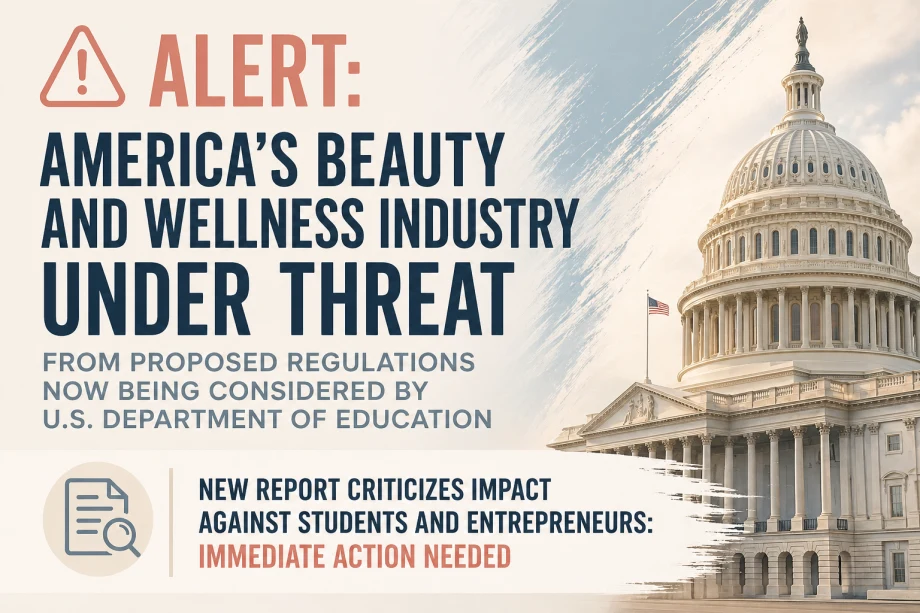
Credit: This image was AI-generated using ChatGPT. Refer to our Terms of Use.
A new rule being considered by the U.S. Department of Education is expected to prevent students at 92% of the beauty and wellness programs in the country from accessing federal student aid. This will have a drastically negative impact on students who pursue professions in cosmetology, which include hairstylists, barbers, manicurists, and skincare providers, as well as in the wellness sector, which includes massage therapists. This proposed rule would effectively eliminate career-building, post-secondary educational opportunities for these students and have a long-term negative impact on small businesses throughout the country.
The Accountability in Higher Education and Access through Demand-driven Workforce Pell (AHEAD) committee process stems from the One Big Beautiful Bill (OBBB) Act passed by Congress. One component of the Act is designed to keep colleges and universities that offer degree programs or graduate-level certificates accountable to the American people. Undergraduate certificate programs were not included in the OBBB Act, and yet, the U.S. Department of Education is applying the rule to beauty and wellness-related certificate programs as well. This provision of the Act is ironically called the “Do No Harm” provision, when it in fact harms America’s working-class students who aspire to pursue careers in this field.
The Coalition for Career Schools, which includes hundreds of beauty industry leaders, is calling on the Department of Education to either exclude undergraduate certificate programs from the proposed rule, or change the metrics being used for these schools and their students.
“When passing the One Big Beautiful Bill Act, Congress never intended to include hard working young entrepreneurs chasing the American dream,” said Lynelle Lynch, owner and CEO of Bellus Academy. “It is critical the Department of Education recognizes this discrepancy, or that Congress steps in to prevent a terrible outcome.”
A new report by former Principal Deputy Under Secretary Diane Auer Jones, who served in President Donald J. Trump’s first administration, concludes that using the Do Not Harm earnings test as the accountability metric to distinguish between high- and low-performing institutions and academic programs “generates results designed to misinform the public and defame programs that are academically sound and in full compliance with every other Title IV requirement.”
Described as a “one-size-fits-all” measure, Ms. Jones believes Do No Harm ultimately fails to encapsulate the comprehensive academic and socioeconomic picture of many student borrowers by utilizing faulty data and flawed methodology.
The report states applying the Do No Harm median wage comparison to undergraduate certificates fails to account for the compounding variables that might influence the wages received by graduates. That includes failing to account for the preferences of many female students, who may also be mothers, pursuing beauty and wellness programming that leads to jobs that offer schedule flexibility or the ability to work part-time. Calculating median wage comparisons that unfairly juxtapose the salaries of a part-time employee against a skilled tradesman who has been on the job for potentially more than a decade severely impacts the validity of the data being reviewed. Worse, the proposed method of capturing the wage data does not reflect all income actually earned.
“The Department of Education has determined that 92% of accredited beauty and wellness schools will lose access to federal student aid, including Pell Grants, for their students under this proposal,” said Hollywood Institute CEO Neal Heller. “This will drastically reduce the ability of students to go into these fields and to meet the workforce demands for our nation.”
The American Institute of Beauty believes that stakeholder support could be instrumental in defeating this industry-killing proposal.
“The new rule has not been finalized. It’s not too late for Americans to share their voices and hopefully help protect these students and future small business owners. We encourage everyone to tell the Department of Education and White House that you value American workers in the beauty and wellness industry,” said American Institute of Beauty CEO Michael Halmon.
Beauty and wellness schools are not asking for preferential treatment. They are prepared to be held accountable to the American people based on metrics that consider their students’ unique needs. Students who attend accredited beauty and wellness schools represent more than 75 percent of all students in this field nationwide and currently benefit from Pell Grants and federal student loans and often receive immediate employment opportunities in the marketplace. Many of these students even go on to start their own businesses.
Originally posted on Modern Salon
Life of Riley Salon Supply and Riley Salon Resources are back in the family, as Kelly Huether acquires the professional distributor he co-founded in 2013.

BaBylissPRO and IGK have partnered to launch the BaBylissPRO Studio Trunk, transforming the professional tool brand’s digital Style Studio into a physical experience for the first time in its sixty-year history.
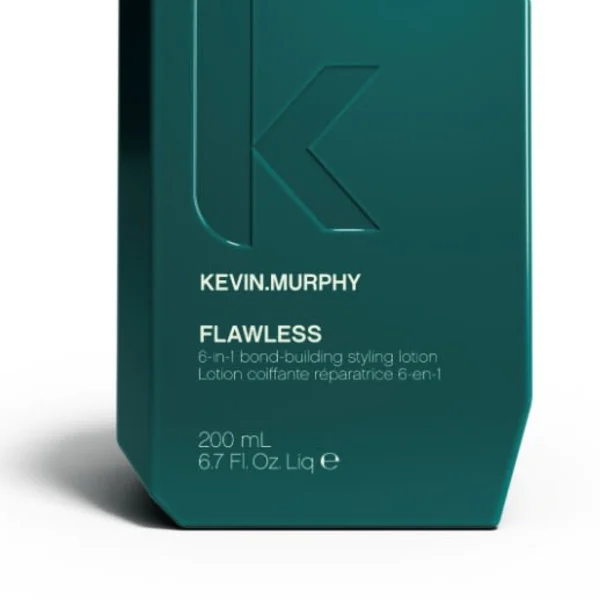
KEVIN.MURPHY's Flawless combines hair repair and styling benefits using KM.Re.Bond technology.
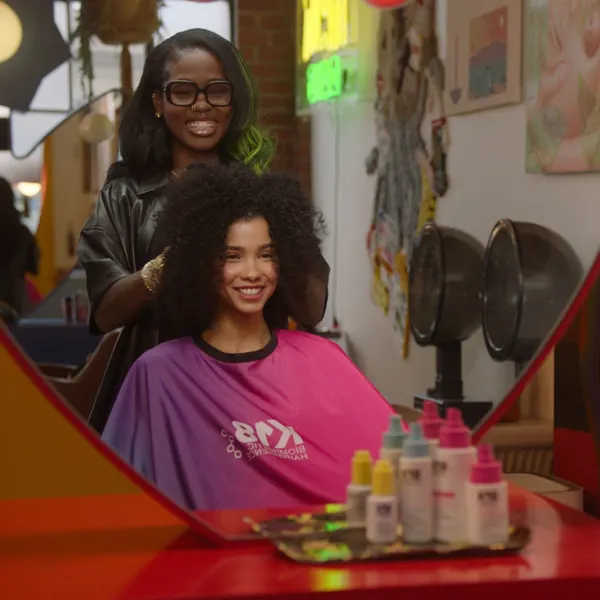
K18 Biomimetic Hairscience has partnered with Beauty Changes Lives to launch the K18 Future of Hair Scholarship, aiming to support aspiring professional stylists by reducing financial barriers to cosmetology education.
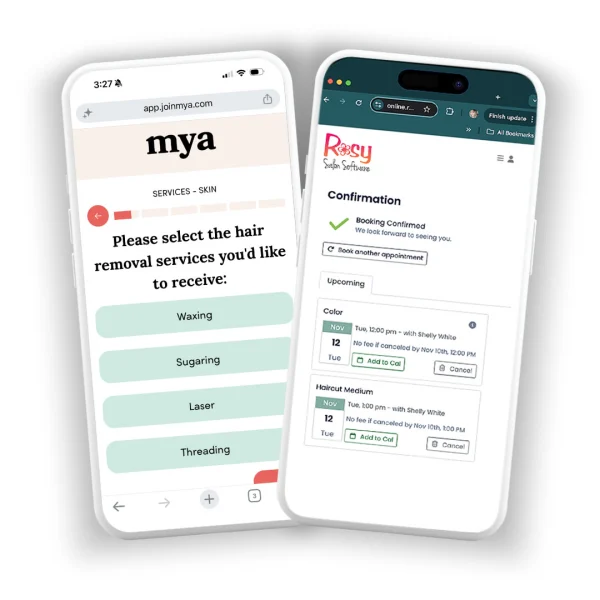
Rosy Salon Software integrates with Mya, empowering salons, spas, and barbershops to transform their websites into powerful, automated lead-generation machines.

Known for his buttery blondes and a technique for highlighting hair with more precision that he called chunking, Brad Johns died on August 27. His friend and fellow colorist, David Stanko, shares thoughts on his talented colleague and close friend.

The Green Beauty Community Foundation convenes beauty brands, salon-industry leaders, educators, and sustainability organizations for a collaborative professional beauty gathering on September 23rd in New York.

At 80, global feminist, former marriage and family therapist, executive coach, and powerlifter Barrie Zucal shows women how to stop letting “debilitating goodness” derail their dreams. Her empowering new book, BOLD: How Women Play BIG by Leading Instead of Pleasing, calls out the quiet conditioning that holds women back from achieving their ambitions — and shows them how to free themselves.
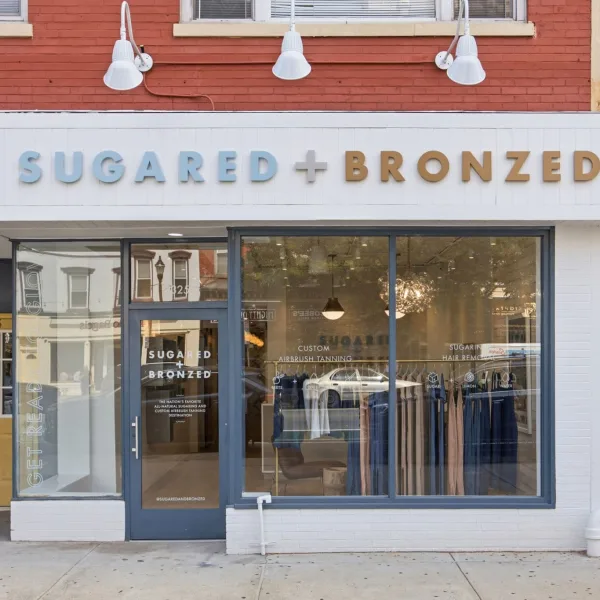
From a Santa Monica apartment startup to the nation's largest sugaring and sunless tanning brand, SUGARED + BRONZED reaches a major milestone with 50 locations across 10 markets.

The Davines Edit reflects the brand’s passion for people and planet.