










You Don't Own a Salon. You Own A Business.
In his latest blog, Leon Alexander Ph.D., challenges industry conventional thinking to help owners add more to their bottom lines.
 MENU
MENU SEARCH
Every business owner knows you need both employees and customers to survive, but when it comes to prioritizing in order of importance, who comes first—the employees or the customers? Of course, most would argue the customer always comes ...
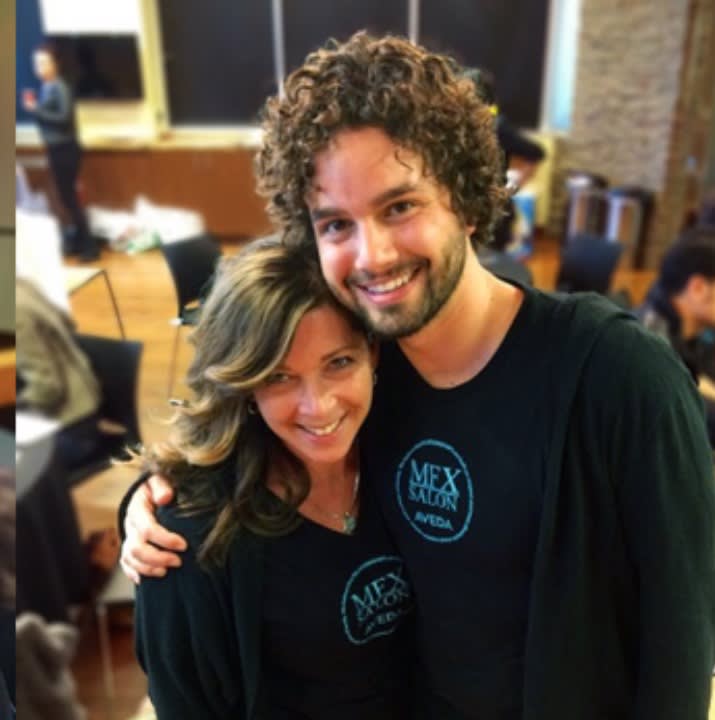
Every business owner knows you need both employees and customers to survive, but when it comes to prioritizing in order of importance, who comes first—the employees or the customers? Of course, most would argue the customer always comes first.
What I’ve learned though, and firmly believe, is employees are more important to an organization than customers. I know this to be true: happy employees equal happy customers. Leaders must learn to take better care of their employees if they want to keep customers coming back.
The salon industry is a relationship-based industry. It’s very personal. As a result, so many salon owners fall into what I call ‘the client trap.’ That is when a salon owner (or stylist) makes poor decisions for fear of upsetting clients. I see this come up often when service prices need to increase so the business remains healthy, when a stylist stays late to accommodate a guest, or when an owner discounts a service because a client complained about the price. What’s worse is when I see salon owners mistreat team members, including criticizing their performance in front of other team members or guests, breaking promises or using coercive management tactics.
As the leader of your company, it’s your job to foster your team, protect the culture and provide a pleasant and healthy environment for employees to serve clients with the best tools available. If you want to see your client retention scores come up, start with focusing on your staff retention scores first. If you take care of your employees, they will always take better care of your customers. Here’s a few ideas to get you started:
Practice the Golden Rule. Treat others as you would like to be treated yourself. Even during those times when you have to discipline, coach or reprimand, treat employees with respect and honor. Praise them in public, critique them in private.
Say thank you more often. Nothing more to say about that one.
Acknowledge progress, no matter how big or small. Find something good to say. Sometimes simply pulling a team member aside and saying, “Hey, I noticed your client retention score took a jump. That’s awesome. Whatever you’re doing, keep doing it!” In most companies, employees are starving for recognition and acknowledgement. You would be surprised how behaviors change when employees know that someone is paying attention. So tell them.
Hold employee appreciation events. When was the last time you ordered pizza for the team without notice and for no particular reason? (Ice cream does wonders, too.) If you’ve just finished a really busy season, try hiring a massage therapist to come in and offer 15-minute chair massages for your team as a ‘thank you’ for their hair work. Do this and watch the trust in the room go through the roof.
Give them your time. This one, for some reason, is one of the hardest for owners and leaders. Make a point to give them your undivided attention, once a month for 30 minutes at a minimum. If you have a larger organization, then have managers or team leads divide and conquer the task. Have the employee bring the agenda, and don’t be surprised if the agenda isn’t work-related. What matters is that you stay connected. To ensure these meetings happen without fail, schedule them on the books for the whole year. If you have to cancel a meeting, reschedule for a different day in the same month. Don’t just cancel and wait until the next month to meet. That will send a message to the employee, “You’re not that important, and neither is our meeting.”
For free tips and tricks to save money and time using innovative technology in the salon and spa, sign up for Chris' eletter at http://www.motivepoint.biz/paperless-subscribe/. Follow Chris on other social media at http://www.twitter.com/chrispmurphy or http://www.facebook.com/motivepoint and http://www.motivepoint.biz.
In his latest blog, Leon Alexander Ph.D., challenges industry conventional thinking to help owners add more to their bottom lines.

In her latest blog, Amy Pal helps you develop your own clear guidelines around complimentary free employee services.
From managing air traffic on busy days to handling frustrated guests' complaints, your front desk team often serves as the salon's emotional shock absorber. From a customer service lesson from the DMV to a list of strategies for caring for your front line, our experts offer ideas for alleviating stress, celebrating wins, and setting goals.

According to the KIM Report, top-line salon revenue appears steady or slightly up, but that growth is driven primarily by service price increases. Beneath the surface, retail performance and client visit frequency (appointment drift) are under real pressure. In his latest blog, Alain Audet offers strategies for keeping your salon's retail sales strong.

Putting your family to work in the salon offers some real tax benefits, but you have you have to play by the rules of the tax code to claim them. Azarvand Tax Law's Leticia Skrabut, Esq., shows you how.

Discover how to create a true “WOW experience” for every client by first building a culture where your team feels engaged, empowered, and inspired. Drawing on Calvin Stovall’s Iconic Framework, this blog explores how salon, spa, and clinic leaders can strengthen culture, elevate customer experience, and build a business that stands out for the long term.
Sponsored by Phorest Salon Software

The wellness industry is growing fast, and salons and barbershops already are an important part of it. In her first blog, Tracy Rado shares where the wellness dollars are heading, and how salons can grow with this movement.

While salon sales are increasing, owners often feel they're working harder for the same or less profit. Leverage Q2 data from The KIM Report, Alain Audet reveals some of the structural changes that are dampening your growth and why your region and your salon size matters.

Weaknesses in your business are amplified during the Holiday Season. Spark Pro Global's Lucy Randall shows you five things to do now to have the strongest holiday season yet.

In Kati Whitledge's latest blog, she shares how salons have moved away from dress codes and embraced appearance standards. But by removing strict dress codes, some businesses may have unintentionally lowered their appearance standards. Whitledge helps you explain to your team why an appearance standard is important and how to smoothly implement a new appearance policy.

The Small Business Health Care Tax Credit is a non-refundable tax credit for for-profit businesses that provides a financial incentive for eligible employers who offer health insurance coverage to their employees. Leticia Skrabut, Esq., walks you through how to claim that credit.

Developing strong work habits early in one's career supports long-term success in the salon industry. Jesse Linares offers new stylists his top five tips.

Most salon owners have no idea what these numbers are. You can hit record sales and still have a profit problem. The difference comes down to four numbers almost nobody was taught to track.
Sponsored by Strata Salon Systems™

A five-area audit every owner-dependent salon needs to run. You built something that looks successful. Now find out if it can survive without you.
Sponsored by Strata Salon Systems™

Every month you put off fixing the problem, it gets bigger, more expensive, and harder to solve.
Sponsored by Strata Salon Systems™
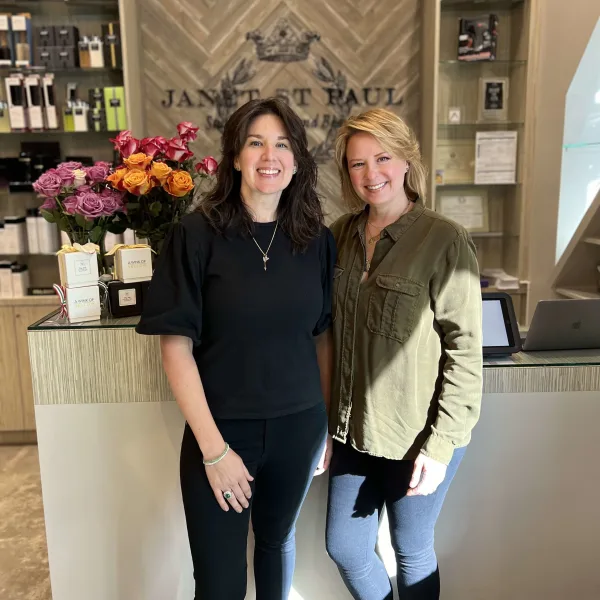
At Janet St. Paul Studio for Hair and Beauty, Director of Operations Natasha McMillen helps bring her wife Janet St. Paul's vision to life, elevating every system from education to operations.

Expand your color service menu with the Pinstripe technique. Brooks and Brooks' Marlon Hawkins walks you through the technique.