The wellness industry is growing fast, and salons and barbershops already are an important part of it. In her first blog, Tracy Rado shares where the wellness dollars are heading, and how salon's can grow with this movement.
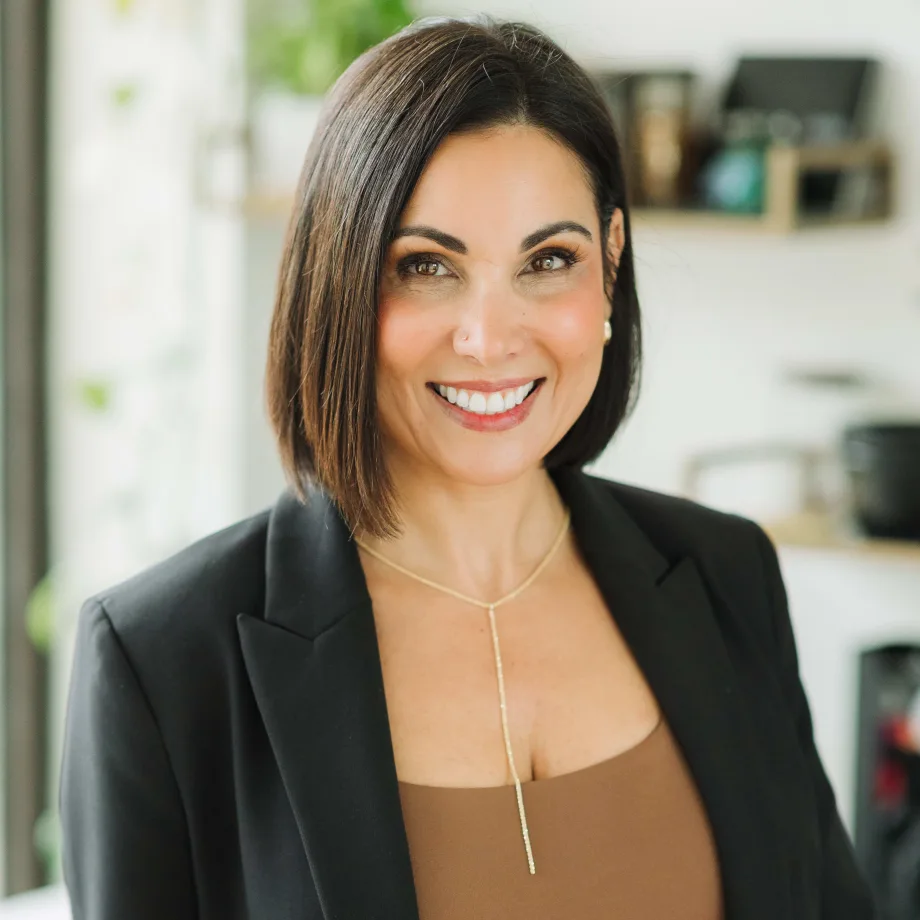
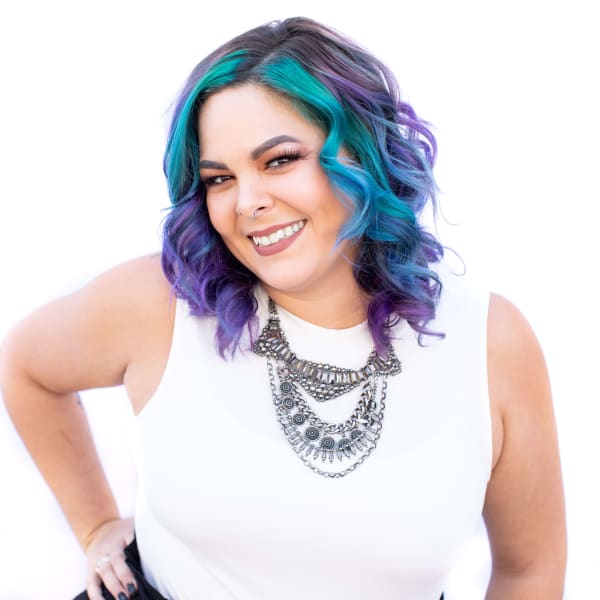
by Tracy Rado, Founder of Balanced Beauty Edit
September 17, 2026Salons have always been part of how people take care of themselves, long before wellness became an industry term. The Global Wellness Institute now counts personal care and beauty as one of eleven recognized wellness sectors. Salons are not adjacent to this industry. Salons are already inside it.
I see that intersection from both sides. I am a licensed cosmetologist with more than 30 years behind the chair, and I hold a Bachelor of Science in Public Health with a concentration in Health Education. In my own studio, those two backgrounds work together every day.
Wellness spending keeps climbing every year, and salons already have what most industries do not, direct and ongoing access to the clients driving this growth. Here are three realistic ways to grow with it, without overhauling a business model.
Know the Numbers
The wellness economy reached $6.8 trillion globally in 2024, and the Global Wellness Institute projects it will grow to $9.8 trillion by 2029, a projected annual growth rate of 7.6 percent. Personal care and beauty are counted directly inside those figures, not riding along as a side category.
Circana reported prestige beauty sales up 7 percent and mass beauty sales up 7 percent in the first half of 2026. Prestige hair care sales rose 11 percent in the same period, with hair serum sales alone up nearly 60 percent. This growth suggests clients are increasingly willing to spend on hair health beyond traditional styling products.
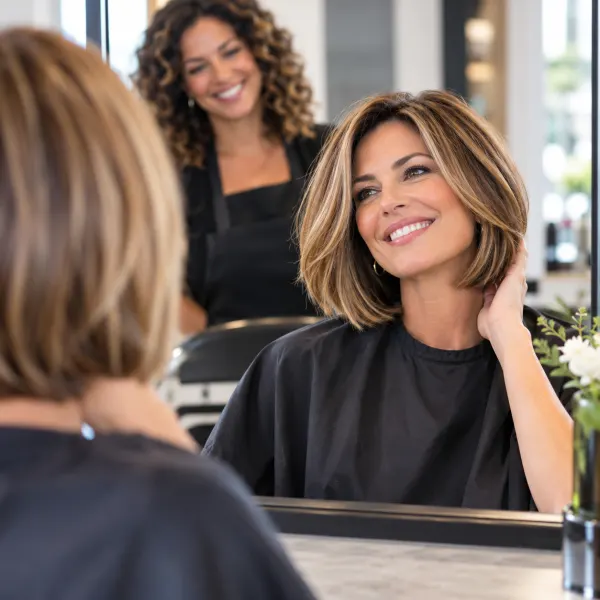
Anyone who has spent years behind the chair knows the appointment often serves a purpose beyond the technical service. For many clients, it is also scheduled time to slow down, connect, and take care of themselves.
None of this requires building a new business. The wellness economy is growing, salons already sit inside the industry's own definition of it, and clients are already using beauty appointments as part of how they care for themselves. What it requires is paying attention to what is already true.
Start with the Consultation
This costs the least to start, and it may be the most valuable of the three. It is also where applied health knowledge becomes useful in a salon, as part of the consultation rather than something separate from the service.
Look beyond the booked service: A consultation built around the whole client, not just the service booked, catches things a standard consultation misses.
Ask better questions: Training a team to notice patterns in hair, skin, or nails builds trust without adding a single product or treatment. It sharpens product recommendations too, giving clients a reason to trust what is suggested and to buy it. Helping clients understand the factors affecting their hair, skin, and nails, from everyday behaviors and nutrition to medications and life changes, gives them better context for what they are seeing.
Know where your role ends. Beauty professionals should know the range of things affecting beauty. This does not mean treating everything. It means recognizing enough to guide a client toward the right next step, whether it is a product recommendation or a suggestion to see another professional.
Stock the Shelves
Most salons already sell retail. Adding wellness products to those shelves is one of the easiest ways to add revenue without booking a single new appointment. Consider categories such as:
- Light therapy, once limited to spa treatment rooms, now sold as red light devices for home use.
- Scalp and skin stimulation tools, once limited to professional treatments, now sold for use between visits.
- Topical peptide products, already available through standard professional distributors.
- Hair, skin, and nail supplements with ingredients backed by evidence.
Topical peptide products are a current retail opportunity, not a future one. Supplements deserve more scrutiny than topical retail. Evidence, ingredient quality, contraindications, and the limits of a beauty professional's role should carry more weight than a brand's marketing claims. Recommending a supplement is a different responsibility than recommending a shampoo, and it should be treated as one.
Clients often look to their stylist for product guidance. Retail turns the recommendation into revenue, as long as what is recommended holds up to real scrutiny.
Build It Into the Service
Services themselves are a place wellness fits, and it does not require becoming a spa. Wellness does not look the same for every client, though.
For one client, it may mean a scalp ritual or a guided relaxation option during processing time. For another, it may mean a quiet appointment, lower lighting, or simply less sensory stimulation altogether.
Asking clients ahead of time what they would prefer costs nothing and can be built right into the booking process. Salons can also look at the products they already use through a more health-informed lens, weighing performance, ingredient evidence, sensitivities, and client preference rather than leaning on "clean" or "natural" marketing claims.
None of this requires major equipment or a new service category. It may be as simple as reviewing options with a product rep, updating an intake form, or training the team on how to offer them. It adds wellness to what a salon already does well.
None of this requires overhauling a business model. A better consultation costs nothing beyond paying closer attention to the client already in the chair. Retail uses shelf space already being paid for. A service addition uses time already booked. These are small shifts, and together they add up inside an industry only getting bigger.
Health education belongs in salons the same way other skills do. Continuing education has always meant staying current on technique. It should also mean staying current on the client sitting in the chair, not just the service being performed on them.
About the Author: Tracy Rado is a licensed cosmetologist with more than thirty years behind the chair, and she holds a Bachelor of Science in Public Health with a concentration in Health Education. With this experience, she has observed firsthand how health education overlaps with work in the studio, and built Balanced Beauty Edit to bring the two together. She runs her own studio, @tralinohair. To learn applied health education for beauty professionals, visit balancedbeautyedit.com or follow @balancedbeautyedit.