One of the most frustrating moments you can experience as a salon owner is walking onto the floor mid-shift to find two of your top stylists doing each other’s hair, during peak hours when they should both be taking paying clients.
If you are new to salon management, your mind immediately starts spinning: Is today a scheduled work day for both of them? Are they paying for this service? Was this booked in advance? Who approved this? Are they flagrantly taking advantage of me?
When you don't have a clear system, it’s almost impossible to address the situation on the spot without coming across as overly harsh. But your instinct is correct: off-the-cuff, unbooked staff services have no place on a professional floor.
At the same time, you want your staff getting their hair done in your salon. Few things hurt more than complimenting a stylist’s hair only to hear, "Oh, someone down the street did it. I don't trust anyone here with my color." You obviously want your team wearing your salon's work as walking advertisements.
The solution isn't to ban employee services; it’s to eliminate the gray area. Once you establish transparent boundaries, employee hair care becomes a structured, celebrated perk instead of an operational headache.
Here is the exact framework I used in my salon to protect business revenue while keeping staff perks generous and fair.
The Core Guidelines
1. Require an Official Booking
If it isn't in the salon management system, it doesn't happen. Period. Staff services must be scheduled in the system just like any paying client’s appointment. This maintains schedule integrity, prevents off-the-books freelancing, and gives management complete visibility into floor utilization.
2. Establish Service Standard Pricing (Off-the-Clock)
To keep employee hair care a true perk while protecting your bottom line, set nominal flat-rate fee tiers for off-the-clock services. This goes for everything including blowouts, haircuts, color applications or smoothing treatments. These fees cover baseline operational costs while keeping the service accessible to your team. Rule of thumb: 100% of any tip goes directly to the servicing stylist.
3. Charge for Extra Product Usage
Backbar expenses add up quickly. Protect your margins by establishing a fixed fee for additional color bowls or specialty formulations beyond the baseline service allowance. This eliminates waste and ensures the business isn't absorbing excess product costs.
4. Set "On-Clock" Commission Rules
If two stylists wish to perform services during billable floor hours on a exceptionally slow day, the pricing structure must shift. Charge a 50% discount off regular retail pricing, and pay the servicing stylist their full standard commission. This respects chair value, properly compensates labor, and keeps the time productive. Rule of thumb: On-clock services must be pre-approved by the shift manager, booked officially, and restricted strictly to low-volume shifts where stylists would otherwise have downtime. Also this never, ever applies to your busiest days such as Friday or Saturday that is always full price.
5. Separate Employee Rates from Model Pricing
Employee perks are reserved exclusively for your active team (stylists, assistants, and front desk staff). Maintain distinct, formal pricing categories for "Friends & Family" or assistant practice models. Never let team perks bleed into client discounts.
How & When to Roll It Out
The Timing
Launch this policy during a quarterly review, at the start of a new month, or during a scheduled team meeting. Never roll it out immediately following a floor dispute; framing it as a proactive operational upgrade keeps it from feeling like a reactionary punishment.
The Execution
- Align Leadership First: Review the protocol with your management team and front desk staff so they feel confident enforcing booking rules and managing the schedule.
- Announce via Written Memo: Send a supportive, transparent memo framing the policy as a way to protect and formalize generous employee perks.
- Update the Handbook: Integrate the pricing structure and booking protocol into your standard onboarding handbook so expectations are clear from day one.
Implementing a clear service policy doesn’t make you the villain, it sets a standard of mutual respect and protects a generous perk your team will actually appreciate. When you establish transparent boundaries, you stop managing out of anxiety and start leading with confidence. And best of all? You’ll never have to experience that sinking feeling on the salon floor again.
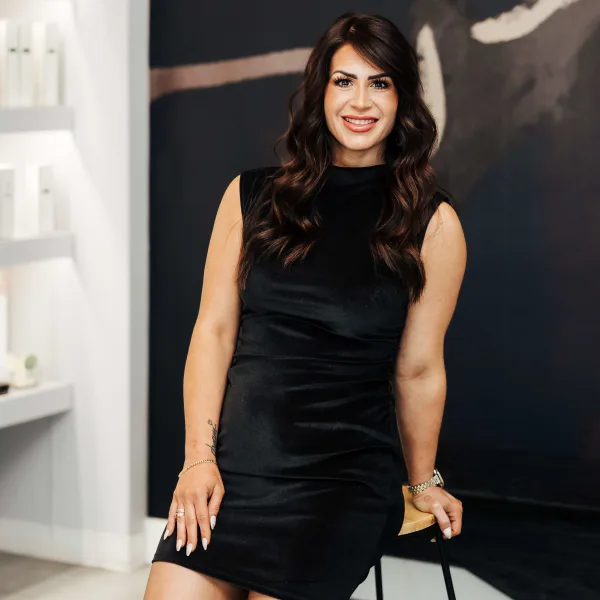
About the Author: Amy Pal is a salon business coach and the founder of Your Salon Pal. After spending a decade building Whip Salon into a successful 6-location brand and profitable exit, Amy now helps salon owners navigate operations, staffing, and profitability with practical, real-world strategies. Connect with her at yoursalonpal.com