7 Common HR Mistakes that Salon Owners Don't Realize They are Making
Are one of your traditional, handed-down salon management practices actually breaking the law. The pros from Paragon HR Consulting walk you through seven common Human Resources mistakes that could land you in hot water.
by Danielle Stewart and Ashley Rivera of Paragon HR Consulting
November 4, 2026
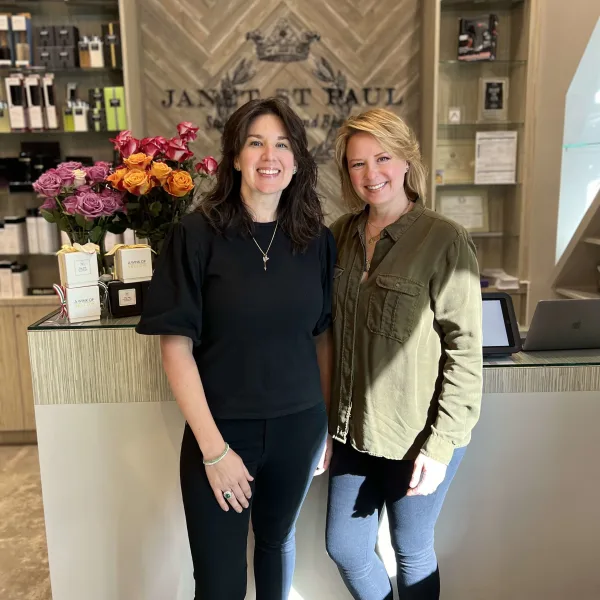
Danielle Steward, president and CEO of Paragon HR Consulting, reveals seven areas where salon owners may unknowingly be breaking the law.
Credit:
Paragon HR Consulting
4 min to read
Salon owners often follow industry habits that may not align with current laws, emphasizing the importance of questioning traditional methods.
Laws regarding salon operations can vary significantly by state, highlighting the need for consultation with HR professionals.
The integration of AI tools in salon environments necessitates the establishment of policies to guide their use and manage potential issues.
*Summarized by AI
Very few salon owners set out to break the law. Most of the issues we see come from habits that were passed down. You were trained in a certain way; the salon you came from operated a certain way, and it seemed normal. "That's just how salons work."
That phrase is worth pausing on. Industry habits can feel like rules, even when they aren't. Part of growing as an owner is willing to question practices you have never thought of, without beating yourself up for not knowing sooner.
Ad Loading...
Let's dive into all seven common areas. Laws vary by state, and many states set stricter rules than federal law, so treat this as a starting point for a conversation with an HR professional.
(1) ChatGPT or Any AI Platform: Does Your Salon Have an AI Policy
AI is already making its way into salons, whether owners realize it or not! From stylists looking up color formulas and chemical processes to managers seeking advice on employee situations, AI is becoming a go-to resource. But what happens when an employee follows AI-generated advice and something goes wrong
Without a clear AI policy, salon owners could find themselves navigating client complaints, confidentiality concerns, or employee misuse without established guidelines to back them up. An AI policy isn't about stopping innovation; it's about putting the right guardrails in place to protect your clients, employees, and business while ensuring professional judgment always comes first.
Your team may already be using AI, but are you prepared for when they use it the wrong way?
(2) Contractors Who Are Really Employees
Booth rental can be a legitimate arrangement. Problems start when a "booth renter" works the schedule you set, uses your products, follows your pricing, and books through your front desk. At that point, the relationship may look a lot like employment, regardless of what the agreement says.
Ad Loading...
A true "contractor" 1099, has their own hours, products, checkout system, and key to the front door.
The team at Paragon HR Consulting is ready to answer any human resources questions.
Credit:
Paragon HR Consulting
(3) Unpaid Training and Education
Requiring stylists to attend a weekend color class, an evening product launch, or an in-salon education night without paying them for that time is a common risk. When training is required and job-related, the time is generally considered work time.
Many owners feel conflicted here. "I am investing in their growth. Why should I also pay them to be there?" That's an understanding feeling. It may help to view paid training time as part of that investment, and to budget it accordingly.
(4) Required Meetings Off the Clock
Monday morning team meetings, a quick huddle before opening, or a mandatory cleanup after the last client generally count as work time when attendance is expected.
(5) Timekeeping for Everyone
Even when pay is based on commission, hours generally need to be recorded, so you can confirm each stylist earns at least minimum wage for all hours worked in a pay period. A slow week can create a gap that the salon may need to make up.
Ad Loading...
(6) Deductions from Wages
Taking the cost of a dropped flat iron, a client walkout, or product overuse out of a paycheck is restricted in many states and can bring a paycheck below minimum wage. Even where some deductions are allowed, they often require written authorization.
(7) Incomplete Employee Records
Maintaining accurate and up-to-date employee records is essential to protecting your business! Payroll records, timekeeping records, tax documents, and I-9 forms all have specific retention requirements. If an employee raises a concern or files a claim years after leaving, missing documentation can make it difficult to demonstrate what actually occurred.
Make sure your records are complete, organized, securely stored, and retained for the legally required period, even after an employee leaves your organization. As a best practice, consider a five-year retention schedule where appropriate, while recognizing that certain documents have different legal requirements.
The self-awareness piece
When you read a list like this, notice your first reaction. Some owners feel defensive: "No one has ever complained." Others feel a wave of anxiety and want to fix everything overnight. Some feel quiet relief that someone finally named what they suspected.
Each of those reactions tells you something. Defensiveness may point to a belief you're protecting. Anxiety may point to a fear of being seen as a bad owner. None of those feelings make you a bad owner. They simply make you human. The goal is to notice the
Ad Loading...
reaction, let it settle, and then look at the facts with a clear head. Don't turn to an AI
search bar for employee advice, reach out to someone that can really help guild.
A simple place to start:
Choose one area from this list that you feel least sure about.
Look at how it works in your salon today, not how you assume it works.
Bring your questions to a qualified HR professional.
Fix what you find going forward and get advice on whether past issues need attention.
Disclosure: This article is general information, not legal advice. Because laws differ by state and situation, it's wise to review your specific practices with a professional.
In our next blog, we will dive deeper into your AI policy and what it means for your business.
Ad Loading...
About the Authors: Both with Paragon HR Consulting,Danielle Stewart is Oresident and CEO of Paragon HR Consulting and Ashley Rivera is the HR & Business Development Partner.
Quick Answers
Questioning established practices helps salon owners identify and rectify any industry habits that may not comply with current laws, ensuring their business operates legally and ethically.
Industry habits, when unexamined, may perpetuate outdated or illegal practices, leading to HR issues such as non-compliance with labor laws or improper employee management.
Consulting an HR professional helps salon owners navigate complex legal requirements, adapt to state-specific regulations, and implement compliant HR policies.
AI is used by salon professionals for looking up color formulas, chemical processes, and even managing employee-related issues, making it a valuable tool but necessitating proper oversight with an AI policy.
Without an AI policy, salons risk inconsistent use of AI tools, potential data security issues, and misunderstandings about AI's appropriate application in salon operations.
All beauty professionals should know how to identify when a client may need some health guidance. Tracy Rado discusses some common questions that clients ask in the chair, how to advise them, and when to refer them to a specialist.
From managing air traffic on busy days to handling frustrated guests' complaints, your front desk team often serves as the salon's emotional shock absorber. From a customer service lesson from the DMV to a list of strategies for caring for your front line, our experts offer ideas for alleviating stress, celebrating wins, and setting goals.
According to the KIM Report, top-line salon revenue appears steady or slightly up, but that growth is driven primarily by service price increases. Beneath the surface, retail performance and client visit frequency (appointment drift) are under real pressure. In his latest blog, Alain Audet offers strategies for keeping your salon's retail sales strong.
Putting your family to work in the salon offers some real tax benefits, but you have you have to play by the rules of the tax code to claim them. Azarvand Tax Law's Leticia Skrabut, Esq., shows you how.
Discover how to create a true “WOW experience” for every client by first building a culture where your team feels engaged, empowered, and inspired. Drawing on Calvin Stovall’s Iconic Framework, this blog explores how salon, spa, and clinic leaders can strengthen culture, elevate customer experience, and build a business that stands out for the long term.
The wellness industry is growing fast, and salons and barbershops already are an important part of it. In her first blog, Tracy Rado shares where the wellness dollars are heading, and how salons can grow with this movement.
While salon sales are increasing, owners often feel they're working harder for the same or less profit. Leverage Q2 data from The KIM Report, Alain Audet reveals some of the structural changes that are dampening your growth and why your region and your salon size matters.
Weaknesses in your business are amplified during the Holiday Season. Spark Pro Global's Lucy Randall shows you five things to do now to have the strongest holiday season yet.
In Kati Whitledge's latest blog, she shares how salons have moved away from dress codes and embraced appearance standards. But by removing strict dress codes, some businesses may have unintentionally lowered their appearance standards. Whitledge helps you explain to your team why an appearance standard is important and how to smoothly implement a new appearance policy.
The Small Business Health Care Tax Credit is a non-refundable tax credit for for-profit businesses that provides a financial incentive for eligible employers who offer health insurance coverage to their employees. Leticia Skrabut, Esq., walks you through how to claim that credit.
Developing strong work habits early in one's career supports long-term success in the salon industry. Jesse Linares offers new stylists his top five tips.
Most salon owners have no idea what these numbers are.
You can hit record sales and still have a profit problem. The difference comes down to four numbers almost nobody was taught to track.
At Janet St. Paul Studio for Hair and Beauty, Director of Operations Natasha McMillen helps bring her wife Janet St. Paul's vision to life, elevating every system from education to operations.