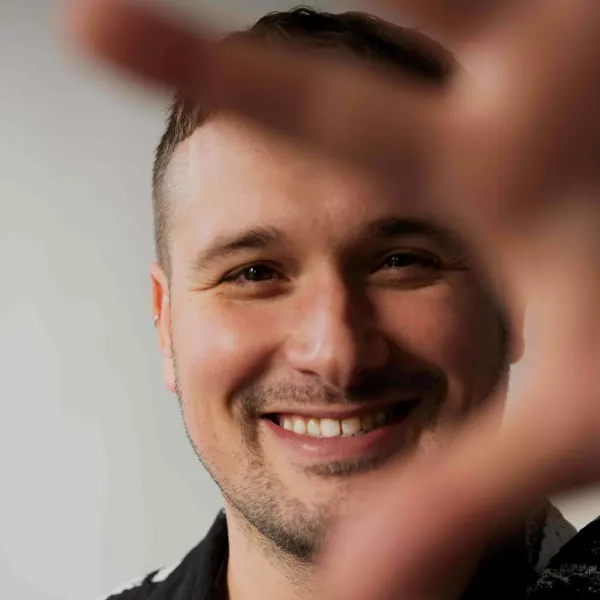
In Kati Whitledge's latest blog, she shares how salons have moved away from dress codes and embraced appearance standards. But by removing strict dress codes, some businesses may have unintentionally lowered their appearance standards. Whitledge helps you explain to your team why an appearance standard is important and how to smoothly implement a new appearance policy.
For years, the traditional salon dress code was easy to recognize because everyone wore black. It created consistency, looked professional and made policy enforcement relatively simple. Over time, however, many salons moved away from rigid dress codes.
Owners wanted stylists to feel comfortable, express their creativity and bring their full personalities to work. That evolution makes sense. We are artists, and personal style is part of the energy and individuality that make our industry special.
But by removing strict dress codes, some businesses may have unintentionally lowered their appearance standards altogether.
There is an important difference between giving people freedom to express themselves and allowing the professional standard to become unclear. A stylist can wear oversized clothing, bold color, tattoos, piercings, a mullet or any other look that reflects the culture of the salon and still appear polished, clean and intentional. Personal expression and professionalism are not opposites. In fact, when they work together, they help create a distinctive brand that clients remember.
The question is not whether every team member should look the same. The better question is whether every team member’s appearance supports the experience your salon has promised to deliver.
Your Client Forms an Impression Before the Consultation Begins
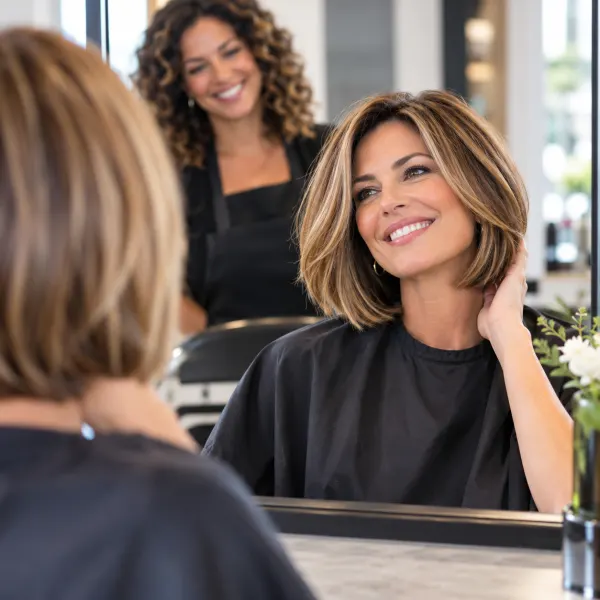
Whether we like it or not, people make judgments quickly. Before a stylist explains her expertise, recommends a service or begins an exceptional consultation, the client has already taken in her appearance, energy and environment. Those early observations begin shaping whether the client feels comfortable and confident in the person standing in front of her.
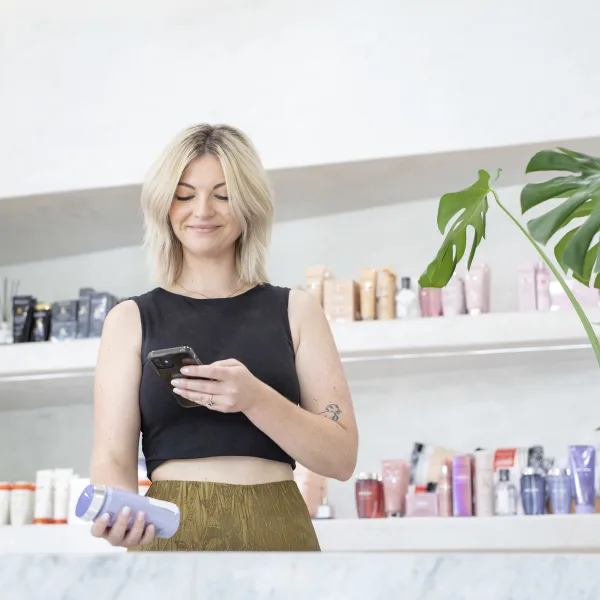
This carries particular weight in our profession. We are in the business of beauty, personal care and wellness, and clients trust us with how they look and feel. Clean clothing, fresh breath, groomed hands, tidy hair and good hygiene are not superficial details. They are part of the service.
At MYA, we surveyed 75,000 consumers to find out why they might not return to a stylist they had seen. Rather than asking them to choose from predetermined answers, we gave them an open comment box and used artificial intelligence to identify themes in their responses. One of the top three reasons clients gave for not returning was that the stylist appeared unclean or unkempt.
That response deserves our attention. These clients were not demanding one specific fashion aesthetic or asking every beauty professional to wear black. They were responding to a perceived lack of care. When a guest encounters wrinkled or visibly dirty clothing, chipped polish, unclean shoes, unpleasant odor or an overall disheveled presentation, she may begin to question more than appearance. She may wonder about sanitation, attention to detail, competence and whether the quality of her service will receive the same level of care.
That judgment may not be fair, but it is real. Salon owners cannot control every assumption a consumer makes. We can, however, create standards that reduce avoidable doubt and reinforce trust from the moment a guest walks through the door.
Appearance Is a Business Issue, Not Just a Style Preference
Professional appearance is sometimes dismissed as a matter of personal taste, but it can influence business outcomes. Research on first impressions has shown that people form conclusions about qualities such as trustworthiness remarkably quickly, with facial appearance playing a role in those immediate assessments. Other research on beauty and the labor market has examined the economic advantages associated with perceived attractiveness and grooming, including differences in hiring, earnings and perceived competence.
The point is not that everyone must fit a narrow, conventional idea of beauty. That would be contrary to the creativity that defines our industry. The useful takeaway is that intentional presentation sends signals. People often interpret a polished appearance as evidence of preparation, confidence and care.
Every salon professional is also in sales. We sell services, products, future appointments and confidence in our expertise. If a client is deciding whether to follow a home-care recommendation or return in six weeks, credibility matters. Knowledge must support the recommendation, but appearance can strengthen that credibility or create friction.
This is especially important for leaders. Team members look to owners and managers for cues about what matters. If we want our teams to show up prepared and intentional, we must model that behavior. Standards become culture when leaders embody them, not merely when they print them in a handbook.
Replace the Dress Code with an Appearance Standard
I first began thinking differently about this distinction after reading The Culture Fox by Lorean Cairns, founder of Fox & Jane Salon Group. The concept of an appearance standard offers salon owners a more flexible and culturally relevant way to communicate expectations than a traditional dress code.
A dress code typically focuses on permitted and prohibited clothing: which colors employees may wear, how long a skirt must be, whether denim is allowed or what kind of shoes are acceptable.
An appearance standard begins with the outcome. It asks how team members should present themselves in order to support the brand, protect the guest experience and reflect on the work they do.
That distinction allows room for creativity. Your salon may have an elevated luxury aesthetic, a relaxed coastal feel, an edgy editorial identity or an inclusive neighborhood vibe. The goal is not to erase those differences. The goal is to define what polished and professional look like within your particular culture.
For example, a hoodie may align perfectly with one salon’s brand. The issue is whether it is clean, presentable and intentionally styled for work. Open-toed shoes may be acceptable, but exposed feet should be well groomed. Creative hair, visible tattoos and unconventional silhouettes do not eliminate expectations around hygiene and care.
Avoid vague instructions such as “look professional,” because that phrase can mean something different to every person. Explain the principles and give examples: clean clothing, good hygiene, fresh breath, groomed hands and nails, presentable footwear and an intentional overall look. Address safety, sanitation and any requirements associated with specific services.
The standard should be equitable and consistently applied. It should never be used to police body type, age, race, gender expression or personal identity. Owners should review policies for compliance with employment laws and consider professional guidance before implementation. The purpose is clarity around job-related expectations, not one person’s definition of attractiveness.
Connect the Standard to the Promise You Make Clients
People are more willing to honor a standard when they understand why it exists. If the policy is communicated as a list of restrictions, the team may experience it as control. If it is connected to client trust, retention, brand reputation and professional growth, it becomes easier to see how everyone benefits.
Start with the promise your salon makes. Perhaps your brand promises luxury, wellness, artistry, approachability or expert transformation. Then ask what a client should consistently see, feel and experience from the people who represent that promise. Your appearance standard should be a natural extension of the answer.
Once the standard is clear, introduce it with respect and apply it with consistency. Do not wait until one person’s appearance becomes a problem and then create a policy that everyone knows is aimed at that individual. Make the standard part of onboarding, team education and regular culture conversations.
Provide private, direct coaching when someone misses the mark. Address the observable issue without attacking the person: the clothing is wrinkled, the footwear is not suitable for the service environment, or a hygiene concern needs to be corrected. Clarity is kinder than gossip, resentment or selective enforcement.
Revisit the standard as your brand evolves. The way your team presented itself five years ago may no longer match your clientele, price point or culture today. A standard should provide consistency without becoming frozen in time.
Professionalism and Individuality Can Coexist
The beauty industry should remain a place where people can be expressive, inventive and fully themselves. Our clients are not asking us to become identical. They are asking us to show that we care.
When team members arrive clean, prepared and intentional, they communicate respect for the client, their coworkers, the business and their own craft. They make it easier for a guest to trust their expertise. They strengthen every recommendation they make and help the salon deliver a consistent experience across every visit.
This is why appearance standards are not merely about clothing. They are about alignment. The way we present ourselves should align with the quality of our work, the values of our culture and the promise of our brand.
Take a fresh look at what is happening in your salon today. Have freedom and creativity remained anchored to a clear professional standard, or have expectations become so loose that no one knows where the line is? What does your team communicate before anyone says a word?
You do not need to return to an all-black uniform or remove the personality that makes your salon special. You do need a shared agreement that everyone will bring their best to the table. Define what clean, polished and intentional means for your brand. Model that standard as a leader. Communicate it clearly, uphold it fairly and connect it to the experience your clients deserve.
Appearance matters—not because everyone should look the same, but because every guest should be able to see the care behind the craft.
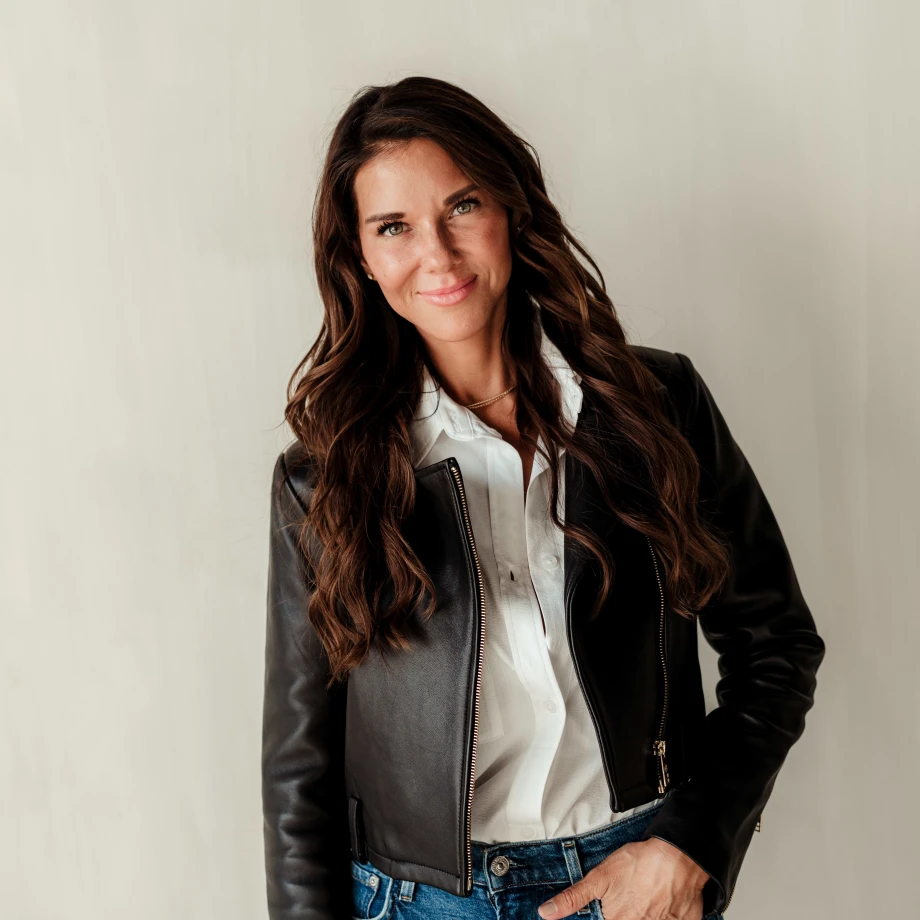
About The Author:Kati Whitledge is a trailblazer in salon and spa marketing. She’s the Founder and CEO of Mya—a powerful website marketing software built specifically for Salons, Spas and MedSpas. As a dynamic speaker, podcast host, and author, Kati is on a mission to transform how salon and spa businesses grow. Kati partners with top industry businesses to deliver smart, scalable solutions that improve retention, elevate client relationships, and drive profitability. Her no-fluff style, realness, and commitment to community make her a trusted voice and visionary leader in the industry.
Follow @join_mya + @beyondthetechnique + KatiWhitledge on Instagram