Unlocking Success: How Nioxin Keeps Delivering for Pros and Clients
In the hair loss space, Nioxin was an early innovator. In this feature, we speak with a Nioxin artist and trichologist who says hair thinning issues are more prevalent than ever, but that products have improved to meet the challenges.
Anne Moratto・Director of Brand Content Strategy, MODERN SALON and NAILS
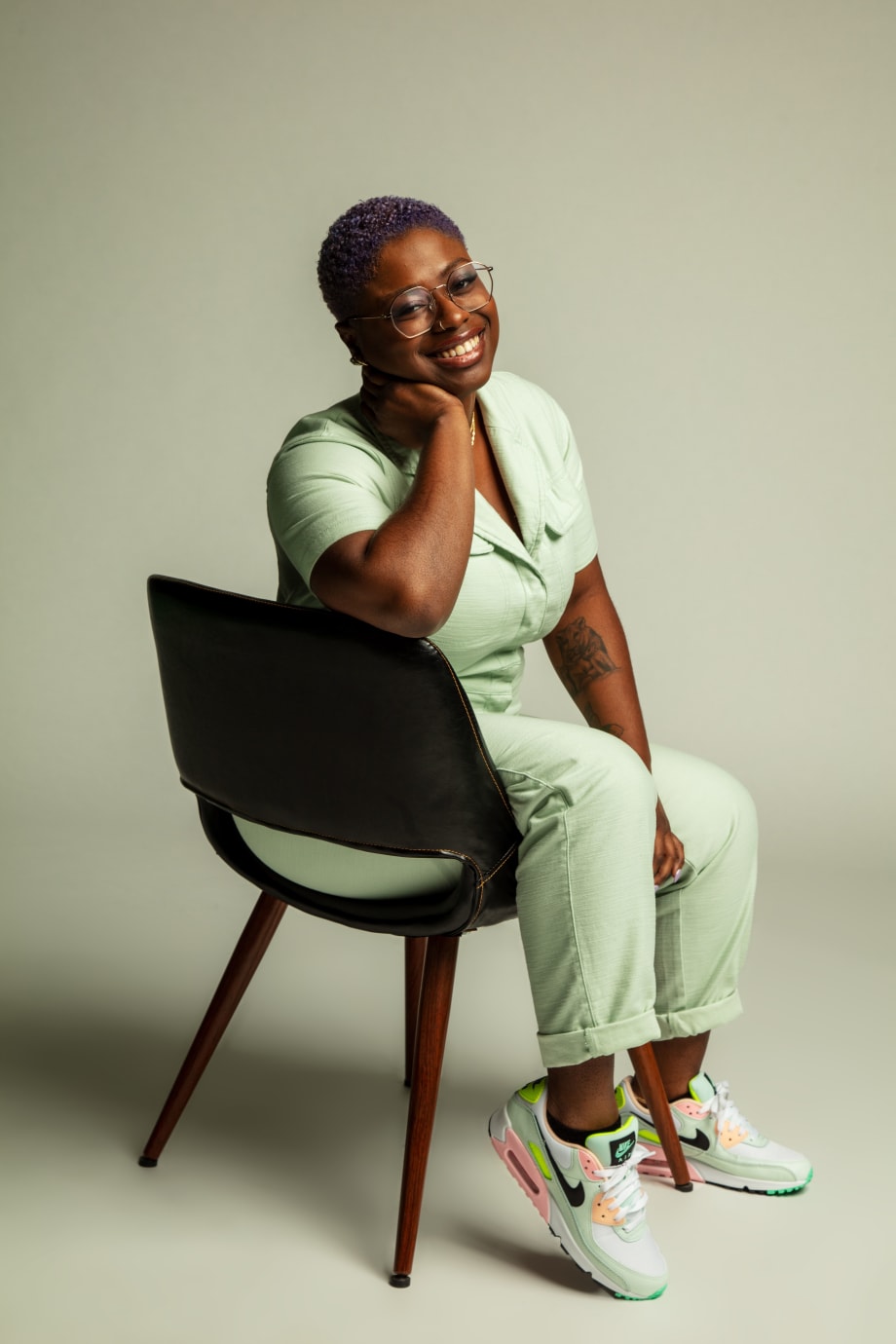
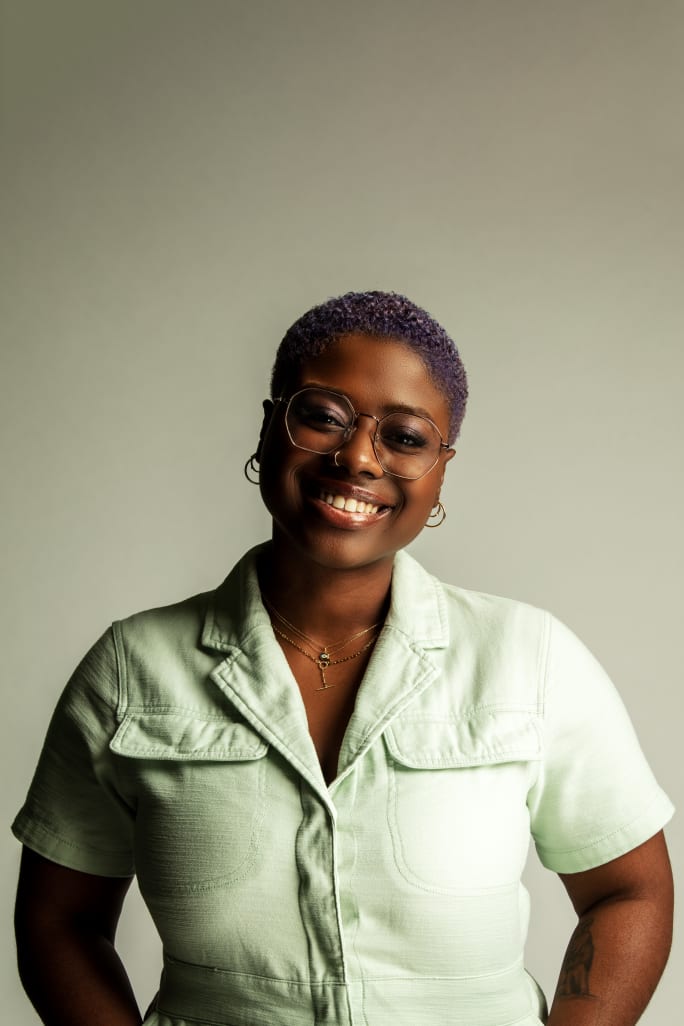
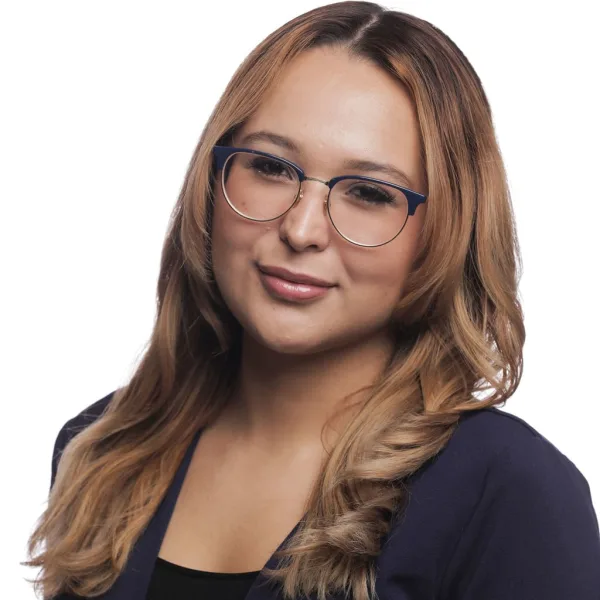
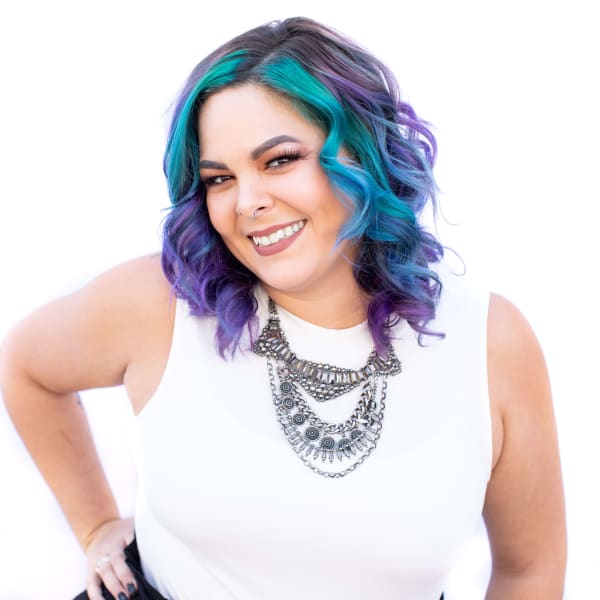
Gabrielle Henderson started her career as a color and curly specialist.
5 min to read
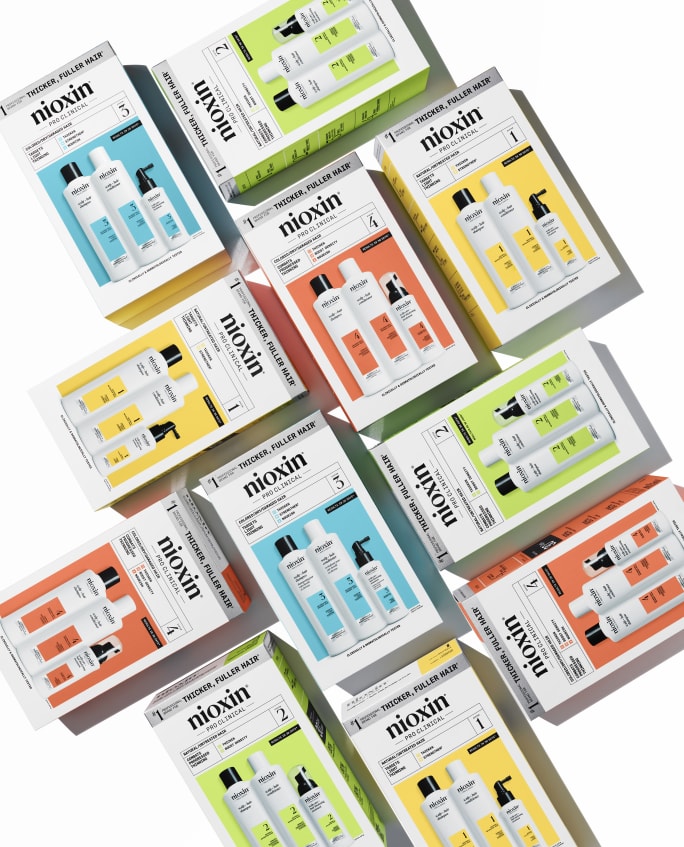
Nioxin offers their best-selling products in new system kits, streamlined into four categories.
Nioxin
In the scalp, hair thinning, and hair loss space, Nioxin was an early innovator, offering a range of products to improve the health of the scalp and hair. Today, the brand continues to reinvest in its research-supported approach to solutions that address the challenge of hair loss.
“Having launched more than 35 years ago, Nioxin was one of the first brands to pioneer the scalp care and hair loss space,” says Lori Pantel, Chief Marketing officer of Wella Company in North America. “This brand refresh and recent innovations re-establish our roots and expertise in science-backed hair loss solutions while modernizing the brand to appeal to today’s salon professional and consumer needs. In addition to better serving consumers, hair loss is an emerging revenue stream for salons, and we want to support stylists in helping their clients grow results.”
Ad Loading...
Nioxin streamlined their bestselling scalp care and hair thickening lineup, Nioxin System Kits into four formulas (from six) to make it easier to find the products that best meet individual scalp and hair needs.
Each System Kit contains a shampoo, conditioner and scalp treatment with formulas rooted in scalp science, containing key ingredients like caffeine, salicylic acid, wild mint oil and niacinamide. The formulas range from treating natural to color/chemically treated hair and light to progressed thinning.
Based in scalp science, these three-part kits are designed for specific hair needs.
Nioxin
“For clients with natural, untreated (free of color or chemicals) hair with light thinning, meaning the thinning is in its early stages I recommend System Kit 1,” says Gabrielle Henderson, a member of the Nioxin Top Artist team, and a certified trichologist based in Houston, TX. “For natural, untreated hair with more noticeable progressed thinning, I recommend System Kit 2. For damaged, dry, or colored-treated hair with light thinning, I recommend System Kit 3. And for damaged, dry, or color-treated hair with progressed thinning, I recommend System Kit 4.”
As the trusted expert, stylists are often the first point of contact when a client notices a skinnier pony or a wider part. MODERN asked Henderson to talk about how treating hair thinning and hair loss has transformed her business.
MODERN SALON: What inspired you to specialize in trichology?
Ad Loading...
GABRIELLE HENDERSON: I started out as a color specialist and curly specialist, but I started to see this uptick in clients coming in and telling me, ‘I’m having issues with my hair.’ More and more, I was noticing problems with dry scalp, flaky scalp, and I wanted to help them, so I went to the experts, the trichologists, for answers. Then I decided to become certified myself, and it was one of the best decisions I’ve ever made for my career.
MS: What are some conversation starters that a stylist can use to open the discussion into thinning hair treatments with their client?
GH: It can be a little nerve wracking and I have to work very hard to gather their trust in me, especially with some older clients. I always do a consultation before we even start the service and I say, let’s talk about your scalp, any issues? And then I do a visual scalp analysis and I'll sometimes take a photo. By asking those questions related to their hair density, and to their scalp, it often opens things up and they might say, ‘well, since you’re asking, can you look at this spot on the back of my head’ and I’ll pull out my camera and take a picture. That allows me to ask them more questions—'I see a spot that doesn’t have hair—is this new, is this something you’ve noticed?’
MS: How do you differentiate between ‘light’ thinning and ‘progressed’ thinning? What does that look like, and how would a stylist identify these two stages/types of hair thinning?
DH: I base it on their parting and looking around the front of the hair. If there is approximately half an inch of thinning, that is light. But if I can look and see the scalp without even parting, that is progressed—there is no density and it’s more diffused, more spread out and sparse.
Ad Loading...
MS: So often, how a product impacts hair color comes up as a question with scalp treatments--what is different in the formulas of the Nioxin System Kits that are for colored, dry & damaged hair?
GH: We have two Nioxin System Kits that are specifically for color treated hair. They won’t shift the color or change the tone. They are very hydrating, and they don’t contain any harsh ingredients that might strip color.
System 3 is for colored, dry, and damaged hair that is lightly thinning. System 4 is for colored, dry, and damaged progressed-thinning hair. These System Kits contain additional moisturizing properties; in Systems 3 & 4, the shampoo includes additional humectants. In System Kit 3, the conditioner ingredients include Silk Amino Acids, Kukui Nut Oil, and protective conditioning agents. System Kit 4's conditioning ingredients include Cysteine Amino Acids and lightweight conditioning agents that won’t weigh down the hair.
MS: Do you think the issue of hair thinning has become even more of an issue recently?
GH: I definitely think COVID had a very significant impact on people’s hair. When I was noticing thinning hair on a client, I always asked if they had the virus at some point.
Ad Loading...
Also, there are some trends that are not that great for hair health. The trend of pulling hair back very, very tight into a bun is putting a LOT of stress on hair which can result in tension alopecia. When hair is subjected to tension over a prolonged period it can damage the hair follicle and lead to hair loss. The same with braids that might be too heavy for the hair, and extensions that are not placed correctly; if that bead is around the hair line where hair is finer, that pulling force means that new hair can easily get plucked out.
While people are being more open to trying things with their hair—especially because of what they might see on TikTok—I don’t think they’re paying as much attention to the health of their scalp. There are trends that recommend certain oils or herbs, and I do think that is creating issues on the scalp.
But I’m not anti-oiling the scalp—I love a prewash oil—and I definitely feel it has benefits, but oiling your scalp before you shampoo is a lot more beneficial.
A lot of people have scalp issues, like fungus…and they don’t know it. But we have better solutions and better products that we can offer clients today. I can help them in the salon and then send them home with a system that will keep helping them. That feels good.
Discover how to create a true “WOW experience” for every client by first building a culture where your team feels engaged, empowered, and inspired. Drawing on Calvin Stovall’s Iconic Framework, this blog explores how salon, spa, and clinic leaders can strengthen culture, elevate customer experience, and build a business that stands out for the long term.
The wellness industry is growing fast, and salons and barbershops already are an important part of it. In her first blog, Tracy Rado shares where the wellness dollars are heading, and how salon's can grow with this movement.
While salon sales are increasing, owners often feel they're working harder for the same or less profit. Leverage Q2 data from The KIM Report, Alain Audet reveals some of the structural changes that are dampening your growth and why your region and your salon size matters.
Weaknesses in your business are amplified during the Holiday Season. Spark Pro Global's Lucy Randall shows you five things to do now to have the strongest holiday season yet.
In Kati Whitledge's latest blog, she shares how salons have moved away from dress codes and embraced appearance standards. But by removing strict dress codes, some businesses may have unintentionally lowered their appearance standards. Whitledge helps you explain to your team why an appearance standard is important and how to smoothly implement a new appearance policy.
The Small Business Health Care Tax Credit is a non-refundable tax credit for for-profit businesses that provides a financial incentive for eligible employers who offer health insurance coverage to their employees. Leticia Skrabut, Esq., walks you through how to claim that credit.
Developing strong work habits early in one's career supports long-term success in the salon industry. Jesse Linares offers new stylists his top five tips.
Most salon owners have no idea what these numbers are.
You can hit record sales and still have a profit problem. The difference comes down to four numbers almost nobody was taught to track.
At Janet St. Paul Studio for Hair and Beauty, Director of Operations Natasha McMillen helps bring her wife Janet St. Paul's vision to life, elevating every system from education to operations.
The strongest salons, spas, and med spas know which numbers tell the real story of their business. In this practical guide, Phorest breaks down the five essential KPIs every business should track to improve retention, boost revenue, and make smarter decisions with confidence.
At Bella Style Salon in Slidell, Louisiana, Director of Operations Angela Meyer tackles inventory, team management, and guest relations. Read all about her in our latest Meet the Manager.
Starting at Impressions front desk in 2006 when he was 19 years old, General Manager Paul Petrowsky is a seasoned professional who owner Sarah Taylor says is responsible for much of her own success.
Planning is in full swing for the most anticipated events and promotions for the 2026 holidays. As owners share their favorite ways to celebrate, they prove that a carefully planned event can also build culture, increase client loyalty, boost sales, and set a business up for a successful 2027.
When things run amok at Mane Attraction Salon, Owners Chris and Jenny Knudsen say General Manager Sami Hernandez is their go-to resource and ultimate sounding board. Meet Sami in this installment of Meet the Manager.