










Kelly Huether Reacquires Life of Riley and Riley Salon Resources
Life of Riley Salon Supply and Riley Salon Resources are back in the family, as Kelly Huether acquires the professional distributor he co-founded in 2013.
by Staff
 MENU
MENU SEARCH
Learn all about the past, present, and future of a hair loss solution your guests may be asking you about.

A recent article in the New York Times sparked reneewed interrest in the use of a common hair thinning treatment taken orally.
Photo courtesy of Dr. Andy Goren
In the two years since multiple studies showed that oral minoxidil, a drug developed to control high blood pressure, had significant success in regrowing hair on both men and women, dermatologists have been prescribing the inexpensive tablet form in low dosages for that purpose. This quiet, doctor-by-doctor awakening to the effectiveness of oral minoxidil to combat hair loss got louder in August 2022 when The New York Times published a story about it.
The National Institutes of Health (NIH) estimates that, in the United States, about 50 million men and 30 million women suffer from androgenic alopecia (AGA, also known as male pattern hair loss). Topical minoxidil is the generic of Rogaine, created by the Upjohn Company and now owned by Johnson & Johnson. Rogaine earned FDA approval in 1988 to treat hair loss in men and in 1992 to treat hair loss in women. Today in the US, all topical minoxidil is approved for over-the-counter (OTC) sale at a maximum concentration of 5%.
Oral minoxidil, however, is approved only to treat high blood pressure. That FDA approval came in 1979 but, as of 2022, oral minoxidil has not been approved by the FDA to treat AGA or any other cause of hair loss. Observers say such approval is unlikely to come any time soon, because the little pills are so inexpensive that companies have no incentive to fund the costly required research.
When doctors prescribe oral minoxidil as a hair loss treatment, they prescribe it “off label,” as they do for many drugs. According to the Agency for Healthcare Research and Quality, 20% of prescriptions written today are for off-label use. Another term used for this type of prescription is “compounded” medication.
Off-label prescription is legal and generally considered to be an ethical tool to employ at the medical professional’s discretion. A statement issued by The World Health Organization (WHO) lists four justifications for off-label use of a medication: 1) the condition is serious and there is evidence of potential benefit; 2) there is no standard therapy; 3) patients have been informed and have consented; and 4) patients are monitored for safety concerns
It didn’t take long for blood pressure patients taking minoxidil orally to notice unanticipated, but in many cases appreciated, hair regrowth. Doctors compared notes and confirmed that the medication seemed to have hair-growing properties. In 1981 a spokesman for the Upjohn Company, which was later acquired by Pfizer, told The Washington Post that the firm was already conducting research to learn more about regrowing hair with minoxidil.
“One of the side effects noted [in high blood pressure patients taking oral minoxidil] was hirsutism, which is hair growth,” the reporter quoted the spokesman as saying. “Hirsutism does not occur in all cases with patients on the drug. It does occur in a fairly significant number. But we cannot predict which patients will have hair growth, or where the hair will grow. For patients who take the drug orally for high blood pressure, in a pill, the hair might appear anywhere on the body. But most commonly it will appear on the face: on the forehead, the cheeks, the mustache area—or the scalp.” That’s where we stood in 1981.
Despite the early promise of oral minoxidil as a hair loss solution, in the years that followed, the hair regrowth concept was applied primarily to topical minoxidil. Finally in 2015, according to the NYT article, an Australian dermatologist, Dr. Rodney Sinclair, presented his research showing good results for hair regrowth in 100 women who took low doses of oral minoxidil. Two years later, he published his research.
That inspired a renewed burst of energy toward research analyzing the success of oral minoxidil to regrow hair, and by 2020 several studies were added to the scientific literature. One of those studies concluded that a low dose was safe and effective, but there was still caution expressed regarding unknown, potentially dangerous, side effects, mostly for heart and blood pressure patients. That study, published by the National Library of Medicine’s National Center for Biotechnology Information, concluded, according to the abstract: “Oral minoxidil 5mg once daily effectively increased hair growth in our male patients with AGA and had a good safety profile in healthy subjects. However, oral minoxidil should be used carefully with men who have severe hypertension and increased risk for cardiovascular events.”
The term used with minoxidil has been “regrow,” not “grow.” Neither topical nor oral minoxidil has been shown to grow hair on a completely bald scalp. But “regrowing” is good enough for a lot of people. One of the 2020 studies attempted to unravel the mystery of how oral minoxidil regrows hair.
“Oral minoxidil is not a drug in a traditional sense,” explains Dr. Andy Goren, professor of dermatology at the University of Rome and one of the researchers on that study. “It needs to be activated to work in the human body.” Goren further explains that the research team discovered that the activation of oral minoxidil for hair growth occurs in the scalp, not the liver as some researchers had previously theorized.
“For oral minoxidil to work for hair regrowth,” he says, “a person has to have a sufficient amount of SULT1A1, an enzyme that allows regrowth in their hair.” Goren cites The Minoxidil Response Test (MRT) as a tool to “help patients learn if they will respond to oral minoxidil as well as topical minoxidil.” Statistics gathered from the Minoxidil Response Test indicate that minoxidil is likely to be effective for 30-40% of women and 50% of men who take it for six to nine months.
Among reporters in the consumer press picking up on the New York Times story was Adam Hurly, a columnist/blogger for GQ, who writes that, after the article was published, he received a flurry of texts from men asking a simple question: “Should I be taking this?” Hurly relayed the inquiry to board-certified hair restoration surgeon Alan J. Bauman of Bauman Medical in Boca Raton, Florida. Bauman has been a featured speaker at MODERN SALON’s Hair+ Summit.
“You’ll want to get a clear indication from your doctor about any risks of these and any compounded medicines,” Bauman told Hurly. “If you overdose on oral minoxidil, you can land in the hospital.” That would happen only if the patient ingested substantially more than the recommended low dose, he further explained.
“One more thing to know,” Bauman added. “An oral ingestion of minoxidil can cause thicker, darker hair growth all around the entire body; it’s not like the drug knows just to target the top of your head.”
Hair pros wisely tend to proceed cautiously when asked for advice on cosmetic issues that involve medications or medical procedures. Industry leaders say it’s usually a good idea to refer guests to their medical professional.
“I feel that your physician will be intimate with the product,” says Brent Hardgrave, a certified hair coach and hair extensions expert who also speaks at MODERN SALON Hair+ Summits. Hardgrave says he’s reluctant to recommend even topical minoxidil.
“I call topical minoxidil a boyfriend,” Hardgrave explains. “If you break up with that boyfriend, he takes every gift he’s given you and then some. Topical minoxidil works, but I’m not a fan, because you have to keep up with it for life.”
Instead, he encourages clients concerned with hair loss to try less invasive solutions first. He suggests a laser cap or fresh biotin. He educates clients on how diet can affect hair growth. Still, Hardgrave says he likes what he sees with this oral medication alternative.
“I’m a certified hair coach, so I get excited,” Hardgrave says. “We’re here to help with hair growth. I am happy we have something oral now. Currently having only case studies and no long-term research, I’ll be interested in seeing any medical issues that may turn up, such as glandular or thyroid, and whether you have to take it for life. If the trials show that oral minoxidil is safe, I’m good with it. Our goal is to be with the client on that journey to regrow their hair.”
Originally posted on Modern Salon
Life of Riley Salon Supply and Riley Salon Resources are back in the family, as Kelly Huether acquires the professional distributor he co-founded in 2013.

BaBylissPRO and IGK have partnered to launch the BaBylissPRO Studio Trunk, transforming the professional tool brand’s digital Style Studio into a physical experience for the first time in its sixty-year history.
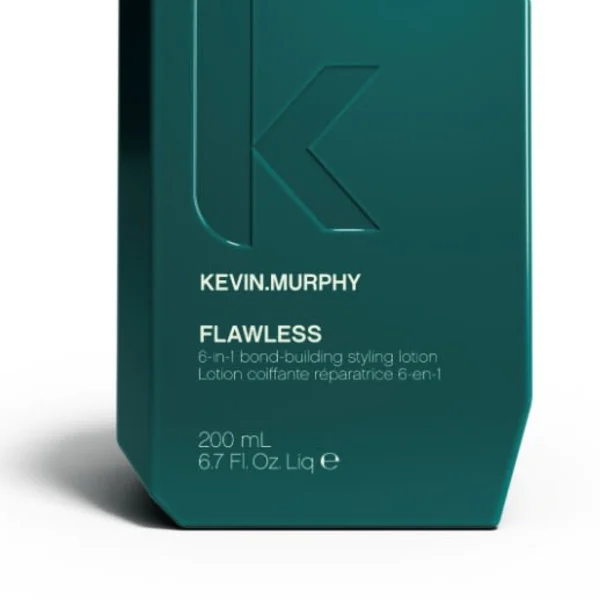
KEVIN.MURPHY's Flawless combines hair repair and styling benefits using KM.Re.Bond technology.
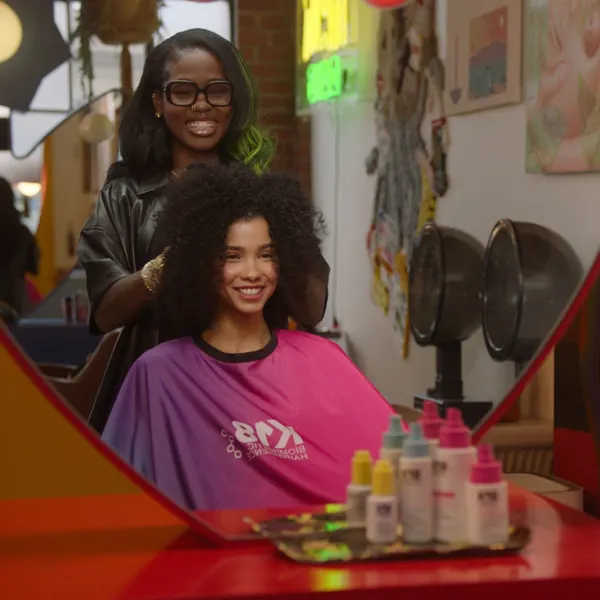
K18 Biomimetic Hairscience has partnered with Beauty Changes Lives to launch the K18 Future of Hair Scholarship, aiming to support aspiring professional stylists by reducing financial barriers to cosmetology education.

Rosy Salon Software integrates with Mya, empowering salons, spas, and barbershops to transform their websites into powerful, automated lead-generation machines.

Known for his buttery blondes and a technique for highlighting hair with more precision that he called chunking, Brad Johns died on August 27. His friend and fellow colorist, David Stanko, shares thoughts on his talented colleague and close friend.

The Green Beauty Community Foundation convenes beauty brands, salon-industry leaders, educators, and sustainability organizations for a collaborative professional beauty gathering on September 23rd in New York.
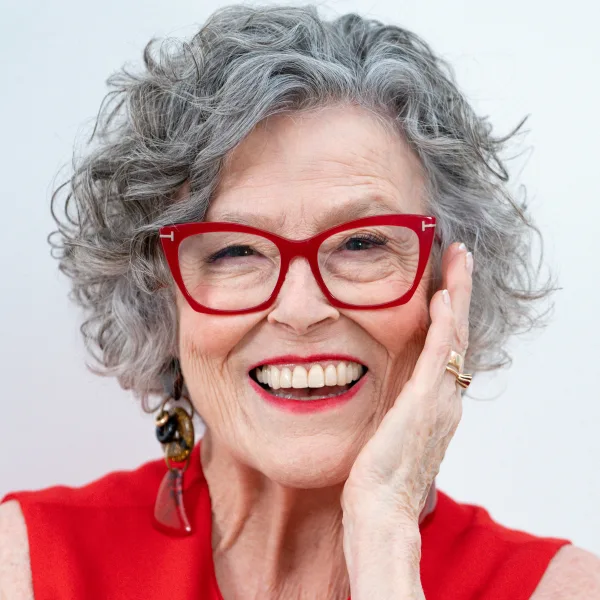
At 80, global feminist, former marriage and family therapist, executive coach, and powerlifter Barrie Zucal shows women how to stop letting “debilitating goodness” derail their dreams. Her empowering new book, BOLD: How Women Play BIG by Leading Instead of Pleasing, calls out the quiet conditioning that holds women back from achieving their ambitions — and shows them how to free themselves.

From a Santa Monica apartment startup to the nation's largest sugaring and sunless tanning brand, SUGARED + BRONZED reaches a major milestone with 50 locations across 10 markets.

The Davines Edit reflects the brand’s passion for people and planet.

The new service, which builds and maintains websites for fitness and wellness businesses, is the second in Playlist's suite of AI-powered apps, which includes AIConcierge, designed to improve client engagement and booking conversions.

Accomplished business leaders will bring complementary perspectives on leadership, transformation, and the future of service-driven industries.

The most iconic show in international hairdressing will celebrate its 43rd edition on November 14th at LOOK Madrid, IFEMA MADRID, in a historic night that will bring together some of its legendary teams and will also host the final of the International Visionary Award across its three categories: Cut & Colour, Men’s and Avant-Garde. LOOK Madrid celebrates its next edition from November 13-15th at IFREMA MADRID.

Axel and Marc Weiss are now leading Artègo USA's distribution operations, introducing a strategy focusing on strengthening relationships with salons, distributors, educators, and sales professionals.

AI, relentless change, employee burnout, economic insecurity. Individually, each presents a challenge, but together, they create what global leadership strategies Thom Dennis calls "the perfect storm." His new book, Rewilding the Corporate Mind, offers business leaders a radically different approach to leading people through today's uncertainty and division.

Timed to kick off New York Fashion Week, the intimate, artist-led event focuses on technique, storytelling, and the creative process.
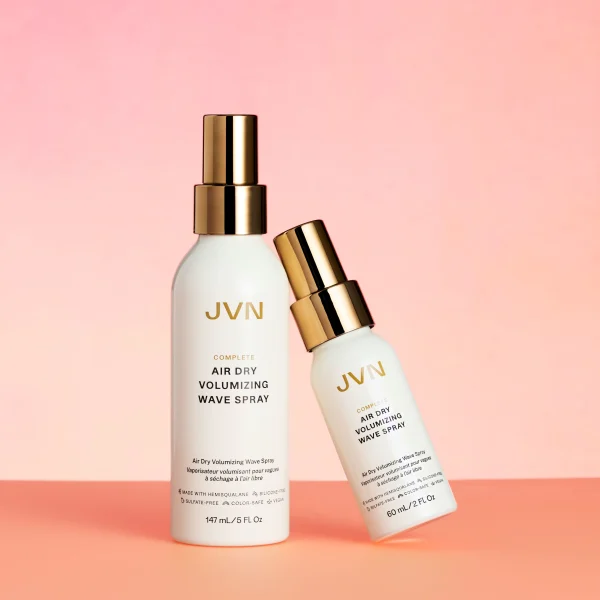
JVN Hair's Summer Protection Duo is clinically proven to provide UV protection and deliver conditioning and texture to keep hair looking great all season long.