







You Don't Own a Salon. You Own A Business.
In his latest blog, Leon Alexander Ph.D., challenges industry conventional thinking to help owners add more to their bottom lines.
 MENU
 SEARCH
For two salon owners, a dedication to community service blends right into their business.

Corporate teams do charity runs, stuff dollars into a fundraising jar or pick up trash at the beach. Salon teams do all of that, too, but they also contribute by frequently giving away their normally paid work—making people feel confident and beautiful. For some salon pros, the first taste of that flavor of very personal community service leads to a diet of lifelong service.
“A client suggested I consider volunteering with Look Good Feel Better to offer beauty services to cancer patients,” says Margaret Thompson, owner of Scalped Salon & Spa in Prince Frederick, Maryland. “I did, and I loved it.” For the next 20 years, Thompson was a regular at her local hospital, where volunteering stylists met up with people undergoing chemotherapy. Before long, she was adding hospice patients to her roster of complimentary-service clients. She particularly remembers one of her first days at hospice.
“The patient had thick, white, hair down to her shoulders,” Thompson says. “She held the oxygen tubes under her nose, because the straps wouldn’t stay behind her ears. She had to sleep that way! After I cut her hair very short, she hooked the straps over her ears and started crying. It made me realize what a difference I can make in someone’s life with the skills I take for granted.”
She gave another patient—a man whose strands had grown to his shoulders—a shorter distinguished look and watched his body language change as he sat up straighter and seemed to feel more like himself.
“The nurses told me patients acted differently after their haircuts,” Thompson says. “They were happier. Part of the reason is the human touch. It’s a slow visit—30 to 60 minutes—and it really brightens their day.”
Word spread. “I’m known throughout my county,” Thompson says. “Cancer patients show up at the salon, because they’ve heard we’ll fit wigs and take care of them during the whole process. It helps them get through a very hard time.”
About four years ago, the director of a women’s shelter appealed to Thompson’s good heart. Instead of agreeing to do hair at the shelter, though, Thompson invited the women to come to the salon, where it would be easier to provide them with a full day of beauty. Having services from hair and nails to massages and facials, a dozen women enjoyed pampering in a way most had never experienced before. Every team member volunteered to participate, and then Thompson got her clients involved in gathering up outfits for the women.
“People want to help other people, but they don’t know what to do,” Thompson says. “If you give them opportunities, they’re more than happy to help.” Clients look forward to holiday season each year, when Thompson uses branches on the Christmas tree to hang stars printed with wish lists from children of needy families.
“Our clients start asking for the names early in the season,” Thompson says. “They’re so excited to come and take a star off the tree, buy something that fulfills a request and wrap it with that child’s name on it.”
At Like the River in Atlanta, owner Najah Aziz finds a similar level of team support for her salon’s quarterly schedule of outreach initiatives that, like Thompson’s, primarily involve complimentary services for ill or less fortunate community members. Aziz knew before she opened her salon that she would steer it in this direction.
“At cosmetology school, we went as a team to a local detention center for youth and serviced about 20 young women who were being released for good behavior,” Aziz says. “We all saw how this empowered them to feel and look great, even though they had some dark days behind them. I decided then that community service would be part of my future salon.”
In the years since 2008 when Aziz launched her salon, her team has pampered breast cancer survivors, women from the Atlanta Day Shelter and youth from Covenant House Georgia.
Both Aziz and Thompson report that the buzz generates goodwill and attracts new business. “When people look up our salon’s history, they see we’re always doing community work,” Aziz says. “That’s a warm and fuzzy.” But, she adds, it’s just icing on the cake. Thompson agrees.
“I’m not doing this to get new clients,” Thompson says. “I do it to make women feel better about themselves and help them through difficult times. This is a gift I can give, and it doesn’t cost me anything except time.”
The two owners say they hire with this culture in mind. Aziz mentions it during the interview process as a team requirement, while Thompson looks for compatible applicants whose first reason for getting into the salon industry is to make people feel good about themselves.
“This is how we’ve built our salon,” Aziz says. “It helps morale and teamwork. There’s immediate satisfaction when you finish some-one who can’t afford hair services, turn her toward the mirror and see that she’s crying with joy. It really makes you feel good.”
Originally posted on Modern Salon
In his latest blog, Leon Alexander Ph.D., challenges industry conventional thinking to help owners add more to their bottom lines.
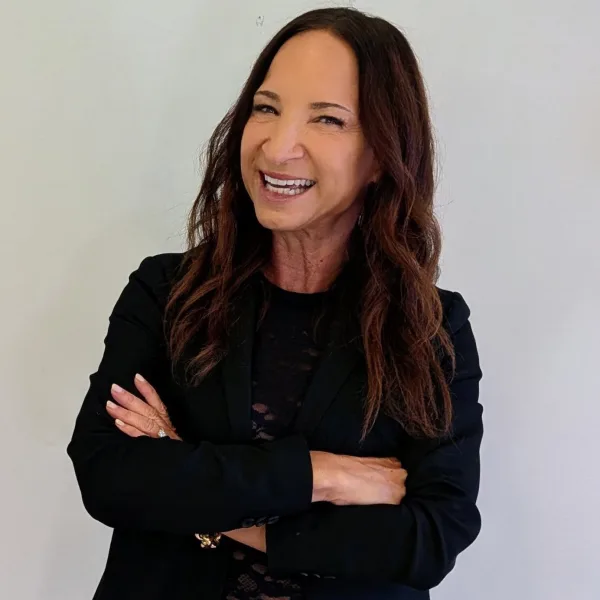
In her latest blog, Amy Pal helps you develop your own clear guidelines around complimentary free employee services.
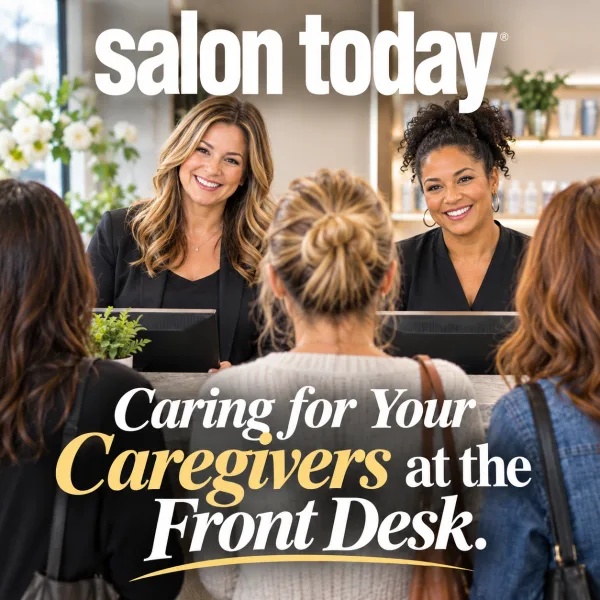
From managing air traffic on busy days to handling frustrated guests' complaints, your front desk team often serves as the salon's emotional shock absorber. From a customer service lesson from the DMV to a list of strategies for caring for your front line, our experts offer ideas for alleviating stress, celebrating wins, and setting goals.

According to the KIM Report, top-line salon revenue appears steady or slightly up, but that growth is driven primarily by service price increases. Beneath the surface, retail performance and client visit frequency (appointment drift) are under real pressure. In his latest blog, Alain Audet offers strategies for keeping your salon's retail sales strong.

Putting your family to work in the salon offers some real tax benefits, but you have you have to play by the rules of the tax code to claim them. Azarvand Tax Law's Leticia Skrabut, Esq., shows you how.

Discover how to create a true “WOW experience” for every client by first building a culture where your team feels engaged, empowered, and inspired. Drawing on Calvin Stovall’s Iconic Framework, this blog explores how salon, spa, and clinic leaders can strengthen culture, elevate customer experience, and build a business that stands out for the long term.
Sponsored by Phorest Salon Software

The wellness industry is growing fast, and salons and barbershops already are an important part of it. In her first blog, Tracy Rado shares where the wellness dollars are heading, and how salons can grow with this movement.

While salon sales are increasing, owners often feel they're working harder for the same or less profit. Leverage Q2 data from The KIM Report, Alain Audet reveals some of the structural changes that are dampening your growth and why your region and your salon size matters.

Weaknesses in your business are amplified during the Holiday Season. Spark Pro Global's Lucy Randall shows you five things to do now to have the strongest holiday season yet.

In Kati Whitledge's latest blog, she shares how salons have moved away from dress codes and embraced appearance standards. But by removing strict dress codes, some businesses may have unintentionally lowered their appearance standards. Whitledge helps you explain to your team why an appearance standard is important and how to smoothly implement a new appearance policy.

The Small Business Health Care Tax Credit is a non-refundable tax credit for for-profit businesses that provides a financial incentive for eligible employers who offer health insurance coverage to their employees. Leticia Skrabut, Esq., walks you through how to claim that credit.

Developing strong work habits early in one's career supports long-term success in the salon industry. Jesse Linares offers new stylists his top five tips.

Most salon owners have no idea what these numbers are. You can hit record sales and still have a profit problem. The difference comes down to four numbers almost nobody was taught to track.
Sponsored by Strata Salon Systems™

A five-area audit every owner-dependent salon needs to run. You built something that looks successful. Now find out if it can survive without you.
Sponsored by Strata Salon Systems™

Every month you put off fixing the problem, it gets bigger, more expensive, and harder to solve.
Sponsored by Strata Salon Systems™
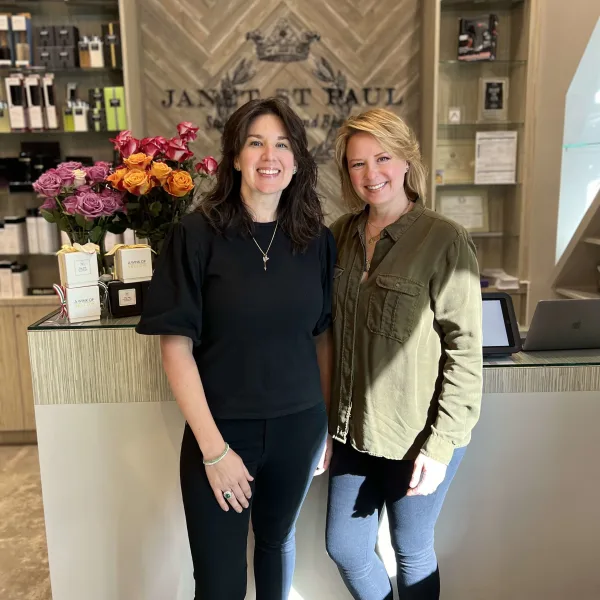
At Janet St. Paul Studio for Hair and Beauty, Director of Operations Natasha McMillen helps bring her wife Janet St. Paul's vision to life, elevating every system from education to operations.

Expand your color service menu with the Pinstripe technique. Brooks and Brooks' Marlon Hawkins walks you through the technique.