







You Don't Own a Salon. You Own A Business.
In his latest blog, Leon Alexander Ph.D., challenges industry conventional thinking to help owners add more to their bottom lines.
 MENU
 SEARCH
Eric Chester knows a thing or two about developing an engaging culture. As the author of the new book, On Fire at Work: How Great Companies Ignite Passion in Their People without Burning Them Out, he frequently studies the companies that top the ...

Eric Chester will keynote at the 2015 Conference of the International SalonSpa Business Network, which will be held at the Ritz Carlton in Amelia Island, Florida on May 3-5.
Eric Chester knows a thing or two about developing an engaging culture. As the author of the new book, On Fire at Work: How Great Companies Ignite Passion in Their People without Burning Them Out, he frequently studies the companies that top the lists of "Best Places to Work." At the International SalonSpa Business Network conference, which will be held in Amelia Island, Florida, on May 3-5, Chester will share his insights with a group of salon owners who have multiple locations.
Recently, he chatted with Salon Today’s Stacey Soble about the importance of creating a culture that both attracts and retains top talent:
SALON TODAY:Why are some salons successful in attracting top talent while others aren’t?
Chester: I believe it all comes down to culture. The entire business landscape has changed so much over the past few decades. It used to be an employer would hang out a shingle, hire people who are qualified, then keep those that perform and fire those who don’t. Employees were an expendable commodity, but that’s no longer the case.
Most of us grew up in the age of the customer is number one. Now, in order to thrive, owners need to make employees their number one priority. When they take care of their employees, it allows the employees to take care of the businesses’ customers. The best way to do that is through an empowering and engaging culture.
SALON TODAY:What’s the key to creating an engaging culture?
Chester: In my book, On Fire at Work, I set out to figure out what it takes to create culture—or the kind of environment that inspires your team to work harder and stay longer. I interviewed the CEOs of companies known for their engaging cultures and found there are seven pillars of a great workplace culture. They include:
Money/Compensation: It used to be a race to the finish to find the lowest-paid workers you can employ. While companies still need to keep an eye on the bottom line, owners need to look at compensation structures that reward people when the company is winning.
Alignment of Values: Today’s workforce is looking to work for companies that value the same things they do. That could be a fund-raising event that your company does which makes the employee proud to work there.
Personal Growth: Everyone wants an opportunity to grow. Do employees have an established career path with clear goals of how to grow to the next level? Are you going to help them get where they’re trying to go?
Atmosphere: What is the atmosphere like in your salon? Does it foster creativity? Is should be a safe, fun environment that offers employees opportunities to get together with co-workers outside of work. They should look forward to coming to work.
Autonomy: Employees need support and training but want to feel they can make some decisions, and aren’t micromanaged at all times.
Communication: It’s important for people to know what’s going on in the workplace. Do they know what new services or products are coming down the path? Do they have a broad understanding if the company is growing and doing well? They also want to feel that someone is listening to them and that they can offer input on how to make things better.
Acknowledgement: How do you let them know when they are doing a good job? Employees want to hear from management, and not just when they are messing up. Recognition is an important part of their success.
SALON TODAY:How can a leader start establishing the company’s culture?
Chester: There is no hard and fast formula, but the best leaders are smart enough to know when it’s important to assert the rules and when it’s the best time to get out of the way. One of the companies I profile in my is called Nerdery—it was started by three former programmers as the “best place in the world for nerds to work.” They basically created the environment where they’d want to work, then got out of the way and let their culture happen. Everyone has a business card labeled co-president, there is beer on tap, a perpetual chess tournament and a 250-seat rock band venue, but most importantly they give their employees tough technical challenges to solve every day.
While you have to be a leader and put in those pillars, let your team help you build your culture by asking them about the kind of environment where they’d like to work.
SALON TODAY: How does a great culture help you attract the right talent?
Chester: The Container Store is another great example. They have 66 locations and frequently top the lists of best places to work. They have a philosophy that one great employee equals three mediocre ones. They offer employees 250 hours of training so they are equipped to handle anything on the floor and their employee turnover is next to nothing. Their employees are on fire at work.
Most of us grew up in a time when employees were hired with the expectation that they’d work for the same company for 40 years and retire with the gold watch. But today’s talent is looking for a great workplace with choices. Today’s tech companies, like Google, Tesla, Apple, LinkedIn and Twitter, are now look at forming ‘alliances’ with engineers. For example, people are hired for a three-year term to work on a specific project. They are hired because they have a specific skill set, made a project manager given a specific goal to reach and the company and employee work together on the plan. When the goal is achieved that can be the end of the project, or the company and the employee can agree to work on another project.
SALON TODAY: Once an owner has established an engaging culture, what are some steps they can take to keep it fueled?
Chester: Don’t get too comfortable. The business world is changing and you need to continually monitor where you are. Every minute of every day you should ask yourself, “How can I make this a better place to work?” For example, the leadership at Marriott has a standup meeting every day, examining what’s going well and what they need to improve. And they ask, “What do you need to do your job better?”
Great leaders also want to be a sponge and learn from all kinds of industries—healthcare, transportation, technology, retail, etc.—not just their own industries. Find great ideas and adapt them to your own business.
Catch Eric Chester in person by attending the International SalonSpa Business Network’s 2015 Conference. For more information or to register for the conference, visit salonspanetwork.org.
In his latest blog, Leon Alexander Ph.D., challenges industry conventional thinking to help owners add more to their bottom lines.

In her latest blog, Amy Pal helps you develop your own clear guidelines around complimentary free employee services.

From managing air traffic on busy days to handling frustrated guests' complaints, your front desk team often serves as the salon's emotional shock absorber. From a customer service lesson from the DMV to a list of strategies for caring for your front line, our experts offer ideas for alleviating stress, celebrating wins, and setting goals.

According to the KIM Report, top-line salon revenue appears steady or slightly up, but that growth is driven primarily by service price increases. Beneath the surface, retail performance and client visit frequency (appointment drift) are under real pressure. In his latest blog, Alain Audet offers strategies for keeping your salon's retail sales strong.

Putting your family to work in the salon offers some real tax benefits, but you have you have to play by the rules of the tax code to claim them. Azarvand Tax Law's Leticia Skrabut, Esq., shows you how.

Discover how to create a true “WOW experience” for every client by first building a culture where your team feels engaged, empowered, and inspired. Drawing on Calvin Stovall’s Iconic Framework, this blog explores how salon, spa, and clinic leaders can strengthen culture, elevate customer experience, and build a business that stands out for the long term.
Sponsored by Phorest Salon Software

The wellness industry is growing fast, and salons and barbershops already are an important part of it. In her first blog, Tracy Rado shares where the wellness dollars are heading, and how salons can grow with this movement.

While salon sales are increasing, owners often feel they're working harder for the same or less profit. Leverage Q2 data from The KIM Report, Alain Audet reveals some of the structural changes that are dampening your growth and why your region and your salon size matters.

Weaknesses in your business are amplified during the Holiday Season. Spark Pro Global's Lucy Randall shows you five things to do now to have the strongest holiday season yet.

In Kati Whitledge's latest blog, she shares how salons have moved away from dress codes and embraced appearance standards. But by removing strict dress codes, some businesses may have unintentionally lowered their appearance standards. Whitledge helps you explain to your team why an appearance standard is important and how to smoothly implement a new appearance policy.

The Small Business Health Care Tax Credit is a non-refundable tax credit for for-profit businesses that provides a financial incentive for eligible employers who offer health insurance coverage to their employees. Leticia Skrabut, Esq., walks you through how to claim that credit.

Developing strong work habits early in one's career supports long-term success in the salon industry. Jesse Linares offers new stylists his top five tips.

Most salon owners have no idea what these numbers are. You can hit record sales and still have a profit problem. The difference comes down to four numbers almost nobody was taught to track.
Sponsored by Strata Salon Systems™

A five-area audit every owner-dependent salon needs to run. You built something that looks successful. Now find out if it can survive without you.
Sponsored by Strata Salon Systems™

Every month you put off fixing the problem, it gets bigger, more expensive, and harder to solve.
Sponsored by Strata Salon Systems™
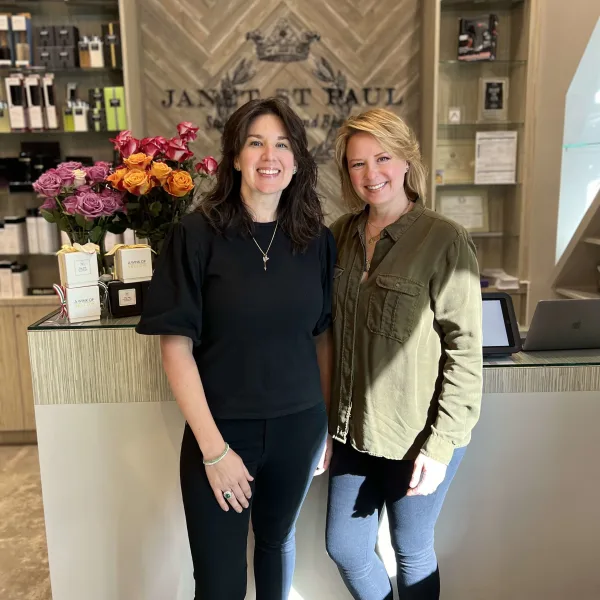
At Janet St. Paul Studio for Hair and Beauty, Director of Operations Natasha McMillen helps bring her wife Janet St. Paul's vision to life, elevating every system from education to operations.

Expand your color service menu with the Pinstripe technique. Brooks and Brooks' Marlon Hawkins walks you through the technique.