9 Strategies Salon Owners Use to Hire Stylist Who Actually Stick Around
Most turnover isn't bad luck. It's because the hiring process wasn't designed to find the right person in the first place. Learn how to implement recruitment strategies that get the right people on the bus.
by Carolina Cordoba
May 6, 2026
8 min to read
SalonJobs' Carolina Cordoba offers five smart strategies for recruiting the right talent fit for your beauty business.
Credit: Carolina Cordoba
Let's be honest about something: the real cost of a bad hire that doesn't show up in a spreadsheet. It's the energy that drains from your team when someone new turns out to be the wrong fit. It's the three weeks you spent onboarding, the clients you reassigned, the awkward conversation you eventually had to have. It's you, between appointments, refreshing Indeed again.
Here's what most salon owners I've spoken with over the years have eventually come to realize: the hiring mistake usually happened before the interview. It happened the moment they posted a job without first getting genuinely clear on who, specifically, they were trying to reach.
Ad Loading...
These nine strategies won't make hiring painless. But they'll make it a lot more intentional, and in this industry, intention is everything.
Strategy 01: Define your culture before you post anything
If you can't describe your salon's values in two or three plain sentences (not buzzwords, actual sentences) then your job post is going to attract everyone and retain no one. That's not a judgment, it's just physics. Vague signals draw vaguely interested candidates.
What does your team actually value? Is it education, always? Is it a certain pace; busy but not chaotic? Is it the fact that you close on Sundays, no exceptions, because rest matters here? Say that. Out loud, in writing, before a single word of the job post gets drafted. The owners who skip this step end up doing the same frustrated search six months later.
You can train technique. You cannot train someone into caring about the same things you care about.
Strategy 02: Picture the person, specifically
Not just their technical skills. Who are they, actually? What does their Instagram explore page look like? Are they someone who arrives early and preps their station, or someone who needs a little structure to get there? Are they a new grad hungry to learn, or a mid-career stylist who's tired of being underestimated?
Ad Loading...
This isn't about being exclusionary; it's about being honest with yourself. The more vividly you can picture who belongs in that chair next to your team, the more deliberate every decision that follows becomes: the job post, the questions you ask, the red flags you learn to recognize. It all flows from this image.
Build that picture of the person you want on your team. Write it down somewhere. Refer back to it when you're tempted to hire someone who's "close enough."
Strategy 03: Treat your job post like a first impression
"Competitive pay. Fun environment. We're like a family." You've seen this post. You may have written this post. And, if you're being real with yourself, it says absolutely nothing about what actually makes your salon worth joining.
The candidate you want is discerning. They're looking for signals. They want to know whether this place has an established growth path or just a chair to fill. Whether the owner is present or checked out. Whether "family" means warmth and mentorship, or that you can't set a boundary without guilt.
A good job post is specific. It names things. It has a voice. It sounds like it was written by a human being who genuinely loves where they work; because it should be.
Ad Loading...
Strategy 04: Show the salon. Don't just describe it.
Bullet points about your "supportive team culture" mean very little. A photo of your team on a Thursday morning, laughing about something before the floor opens? That communicates something real.
Visual content – actual team photos, a peek at the daily rhythm, genuine work showcases rather than stock-photo approximations – does the thing that words simply can't: it lets candidates feel the room before they walk into it. And candidates who feel a sense of fit before they apply are far more likely to show up, stay engaged, and actually be the right fit when they do.
Think about a resume: the bullet points are helpful, but they don’t feel personal. When you see a headshot, a portfolio, a personal design, these are the things that help you get to know the person behind the paper. Your salon is the exact same way.
Putting more thought, detail and strategy behind your job posting means you'll interview prospective talent that's a better fit for your culture.
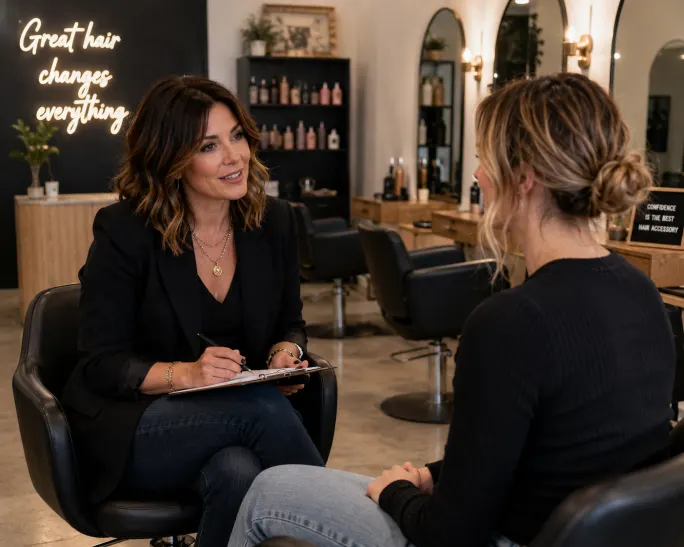
This is an AI-generated image. Refer to our Terms of Use.
Strategy 05: Know what you can train and what you can't
This one takes some humility to sit with. A new grad with shaky balayage technique but an exceptional attitude toward learning? Honestly, that's way better than long-term hire than a technically polished stylist who's quietly checked out, cynical about management, or can't hide their disdain for assistants.
Technical gaps are frequently fixable, especially if you have a real education program in place. Cultural mismatches are almost never fixable. Not because people can't grow and change, but because it takes enormous goodwill on both sides, and most of the time, it just isn't there.
Ad Loading...
Screen for values first, and then assess skill. In that order.
Strategy 06: Use pre-screen questions to protect everybody's time
Here's a low-effort, high-impact move that more owners should be using: before you schedule a single interview, send three to five short questions. Not a formal application; just a quick Google Form or a few questions in a message. Ask about availability, what they're looking for in their next role, and one thing that matters to them in a workplace.
What you're screening for isn't just their answers. It's their responsiveness. Their care. Whether they actually read the post you wrote. One salon owner I know sends a pre-screen message within an hour of receiving any application — not because she's fast (though she is), but because she's learned that how someone engages in that first exchange tells her a great deal about how they'll engage on the floor.
A note on tooling: SalonJobs has a built-in pre-screen messaging tool designed specifically for this step — so you're not cobbling together a workaround every time you post. It's one less thing to figure out on your own.
Strategy 07: Ask questions that reveal fit, not just credentials
"Tell me about yourself" will get you a rehearsed answer every time. Try something else. Ask them to describe a moment at a previous salon when they felt genuinely proud of their work; and one moment they felt unseen. Ask what they think a great manager actually does. Ask where they hope to be in three years and whether they've ever said that out loud to anyone.
Ad Loading...
These questions surface things. They show you whether someone has thought about their career with any intention, whether they have the self-awareness to grow, and whether what they're looking for actually aligns with what you're offering. The candidate who answers thoughtfully (even imperfectly) is showing you something real.
And don't forget: they're interviewing you, too. The best candidates always are.
Strategy 08: Think beyond the open role, build a bench
Timing is brutal in this industry. The right person for your team might not be looking the week you're desperate to fill a chair. But they might be browsing, quietly, casually, not quite ready to leave their current salon but curious what else is out there, six months from now.
Keeping your opportunity visible even when you're not actively hiring means you're already in front of them when that moment comes. Think of your job listing as a digital storefront, not a distress signal. It should always be on, always accurate, always representing your culture well. That way, when someone new moves to your area or finally decides they're ready for something better, they find you, not a competitor who happened to post last week.
Strategy 09: Make the candidate experience reflect your culture
How you treat someone during the hiring process is the first real data point they have about what it's like to work for you. Not the job post. Not your Instagram. The actual experience of reaching out, hearing back (or not), showing up for an interview, and being treated like a person worth knowing.
Ad Loading...
If you believe in clear communication on your floor, communicate clearly during hiring. If you value being seen as an individual, treat candidates like individuals; not interchangeable bodies for an empty chair. The candidates who end up being the best hires are paying close attention to all of this. They remember that you followed up. They remember that you were warm. They also remember when you weren't.
The salon that treats a candidate with genuine respect (even one they don't end up hiring) is building a reputation in this community. People talk. That's not a warning, it's an opportunity.
Intentional hiring isn't a magic fix. There will always be misses, surprises, and that one person who seemed perfect in the interview and was gone in three months. But when you build a process that starts from clarity – about your values, your culture, the specific person you're looking for – those misses get rarer. And when the right person does find you? The fit is unmistakable.
That's the team and the legacy you're actually trying to build. These nine strategies are just how you get there with less heartbreak along the way.
About the Author: Carolina Cordoba has spent over a decade at the intersection of brand and hiring in the professional beauty industry. She understands the hiring process from both sides of the chai; what salon owners are really looking for in new talent, where the system breaks down, and why a salon's brand is just as important for attracting stylists as it is for attracting clients.
Ad Loading...
Carolina holds dual master's degrees in Marketing and Business from Hult International Business School and currently works in brand management within the salon industry.
Before stepping into her current role, Carolina spent 5 years at Lola Hair Studio in Cambridge, Massachusetts, where she grew from guest care into Brand Manager and Hiring Manager. During her time there, Lola was a repeat recipient of the prestigious Salon Today 200 award; a testament to the culture and standards the team built together.
About SalonJobs:SalonJobs is a free platform built to connect salon owners with stylists who are genuinely looking for what you offer. Pre-screening tools, culture profiles, and always-on job listings, designed for the way this industry actually works.
Discover how to create a true “WOW experience” for every client by first building a culture where your team feels engaged, empowered, and inspired. Drawing on Calvin Stovall’s Iconic Framework, this blog explores how salon, spa, and clinic leaders can strengthen culture, elevate customer experience, and build a business that stands out for the long term.
The wellness industry is growing fast, and salons and barbershops already are an important part of it. In her first blog, Tracy Rado shares where the wellness dollars are heading, and how salon's can grow with this movement.
While salon sales are increasing, owners often feel they're working harder for the same or less profit. Leverage Q2 data from The KIM Report, Alain Audet reveals some of the structural changes that are dampening your growth and why your region and your salon size matters.
Weaknesses in your business are amplified during the Holiday Season. Spark Pro Global's Lucy Randall shows you five things to do now to have the strongest holiday season yet.
In Kati Whitledge's latest blog, she shares how salons have moved away from dress codes and embraced appearance standards. But by removing strict dress codes, some businesses may have unintentionally lowered their appearance standards. Whitledge helps you explain to your team why an appearance standard is important and how to smoothly implement a new appearance policy.
The Small Business Health Care Tax Credit is a non-refundable tax credit for for-profit businesses that provides a financial incentive for eligible employers who offer health insurance coverage to their employees. Leticia Skrabut, Esq., walks you through how to claim that credit.
Developing strong work habits early in one's career supports long-term success in the salon industry. Jesse Linares offers new stylists his top five tips.
Most salon owners have no idea what these numbers are.
You can hit record sales and still have a profit problem. The difference comes down to four numbers almost nobody was taught to track.
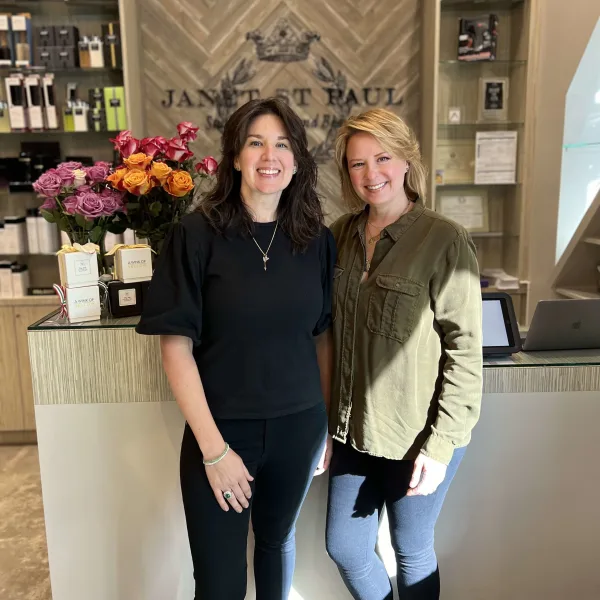
At Janet St. Paul Studio for Hair and Beauty, Director of Operations Natasha McMillen helps bring her wife Janet St. Paul's vision to life, elevating every system from education to operations.
The strongest salons, spas, and med spas know which numbers tell the real story of their business. In this practical guide, Phorest breaks down the five essential KPIs every business should track to improve retention, boost revenue, and make smarter decisions with confidence.
At Bella Style Salon in Slidell, Louisiana, Director of Operations Angela Meyer tackles inventory, team management, and guest relations. Read all about her in our latest Meet the Manager.
Starting at Impressions front desk in 2006 when he was 19 years old, General Manager Paul Petrowsky is a seasoned professional who owner Sarah Taylor says is responsible for much of her own success.
Planning is in full swing for the most anticipated events and promotions for the 2026 holidays. As owners share their favorite ways to celebrate, they prove that a carefully planned event can also build culture, increase client loyalty, boost sales, and set a business up for a successful 2027.
When things run amok at Mane Attraction Salon, Owners Chris and Jenny Knudsen say General Manager Sami Hernandez is their go-to resource and ultimate sounding board. Meet Sami in this installment of Meet the Manager.