3 Myths About Cleaning, Sanitizing, and Disinfecting
Summer is here, and as a way to welcome in the new season, we thought we would take the time to debunk myths about cleaning, sanitizing and disinfecting. While all of these methods should be used within your salon and spa every day, they are not interchangeable.
Summer is here, and as a way to welcome in the new season, we thought we would take the time to debunk myths about cleaning, sanitizing and disinfecting. While all of these methods should be used within your salon and spa every day, they are not interchangeable.
Ad Loading...
Myth #1: Cleaning Daily is the BEST Way to Prevent the Spread of Germs.
What does it mean, ‘to clean?’ So often the term is used to describe everything from tidying and wiping down surfaces to disinfecting tools and equipment. While the general maintenance of implements, surfaces, foot baths and tools is essential, cleaning is only the first step to ensuring that your business is creating a safe and germ-free environment.
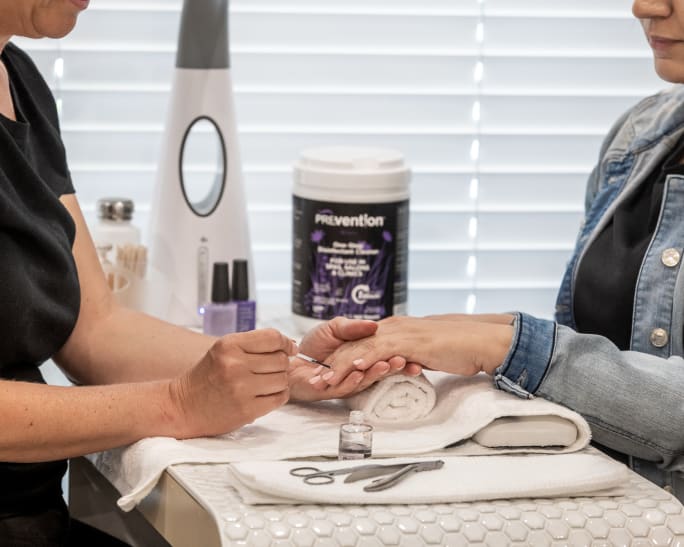
Cleaning is the process of removing dirt and debris. While this is necessary, cleaning only prepares the surface for being sanitized or disinfected afterward. Cleaning typically includes the use of soap, detergent and a wiping or scrubbing action.
Myth #2: Sanitizing is the Same as Disinfecting!
Does sanitizing surfaces, foot baths and equipment keep your clients safe from the spread of germs? No! Sanitizing reduces the number of bacteria on a surface to an acceptable limit, but does not include efficacy against viruses and fungi. Sanitizing is designed to destroy 99.9% of bacteria in 30 seconds or less.
Ad Loading...
Why do we disinfect if sanitizing is capable of reducing the amount of bacteria? Disinfecting is the only way to reduce all pathogens. To properly disinfect, the surfaces must remain wet for the required contact time, therefore a short contact time means fast disinfection.
Myth #3: Only Disinfect When Necessary
While disinfecting surfaces, equipment and devices is key to killing pathogens and preventing them from impacting your clients, many people hesitate from disinfecting these items after each client as they are afraid of the harsh chemicals that they feel are involved. Some disinfectants are designed to be tough on pathogens, but are unfortunately also irritating to eyes and skin and potentially corrosive to your surfaces.
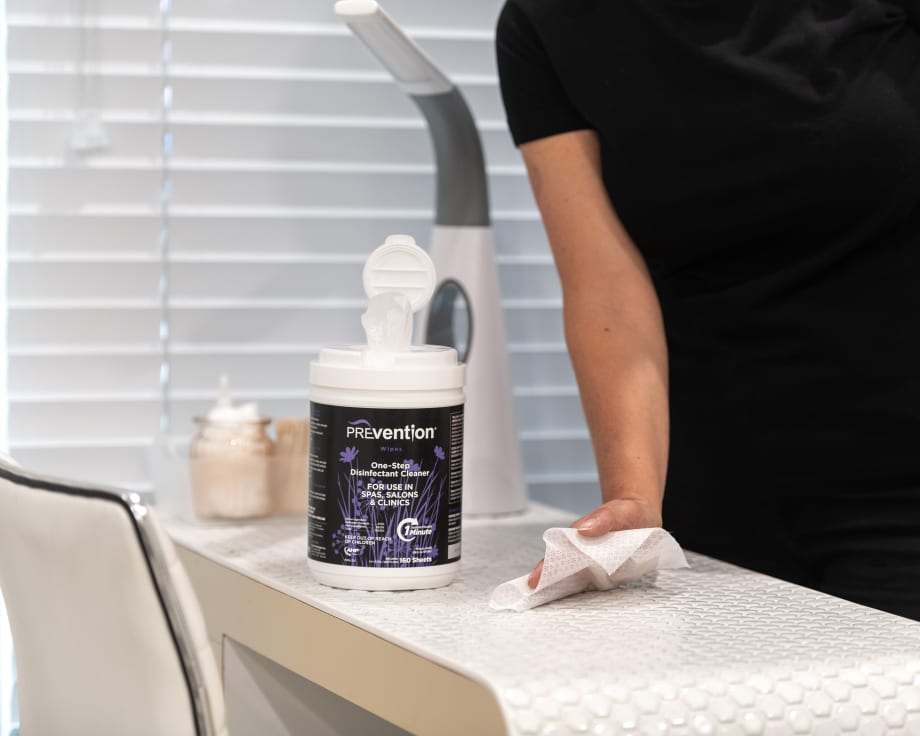
What if we told you that you could disinfect surfaces and equipment several times a day, without risking harm to you and your team? Prevention™ Disinfectants are changing the way individuals disinfect their spa and salon, as they are designed to kill pathogens effectively without the adverse side-effects of many other disinfectants! Our Prevention™ Ready to Use Wipes and ready to use liquid are powered by Accelerated Hydrogen Peroxide® (AHP®) which provides for:
• The Fastest contact times against bacteria, viruses and fungi
Ad Loading...
• EPA approved, hospital-grade disinfection
• Non-toxic, non-irritating, no harsh chemical smell
• A biodegradable active ingredient that’s sustainable for our planet
Cleaning, sanitizing and disinfecting all play a part in maintaining a safe environment for you, your team and your clients. Let’s continue to debunk common disinfection myths and change the way salons and spas across the country create a safe and healthy space for their beauty professionals and their clients!
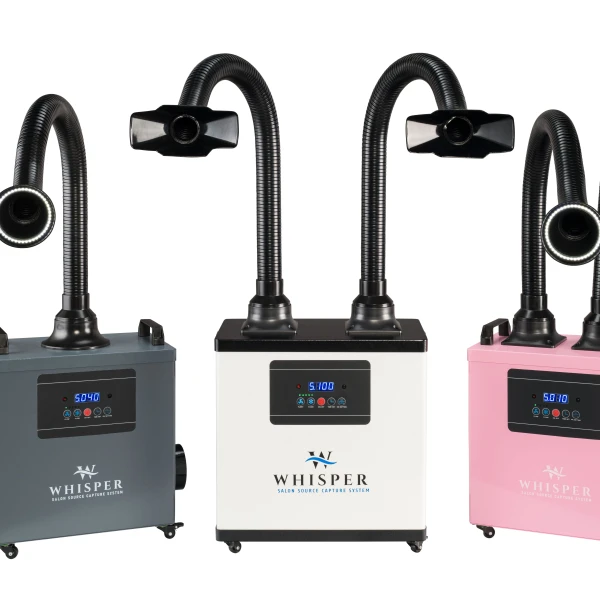
Both systems capture vapors and dust right at the nail table. The difference is where that air goes next, and that one detail can decide whether your salon passes inspection.
Your guest decides what kind of salon this is in the first ten seconds, long before she is in the chair, and scent is the piece most owners leave to chance. Aura House co-owner Leif Frey lays out what ambient scent can and cannot do, why air quality is an engineering question rather than a fragrance one, and the four decisions that matter more than the scent you choose.
You do not need to be a therapist to listen well. You do need to know where your role begins and ends. In her first blog for SALON TODAY, Modjossorica (Rica) Elysée shares five ways you and your team members can respond with care.
Your body doesn't necessarily tell the difference between a promotion and a deadline. In her first wellness blog for SALON TODAY, Wellify Co-Founder Laura Fuqua explains why even good stress has an impact.
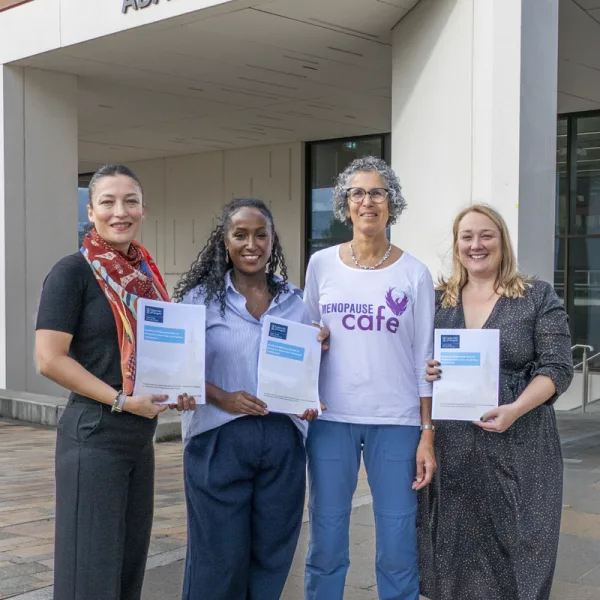
Popping up across the UK, Menopause Cafés are helping women seek professional help with their menopause journeys. What better place to play host to one of these gatherings than a spa?
New services on the menu can create new opportunities, but they can also expose your business to greater liability. SASSI's Kathy Lopez shares a few services that pose greater risk, discusses some of the mistakes owners make when expanding their menus, and lists simple risk management strategies.
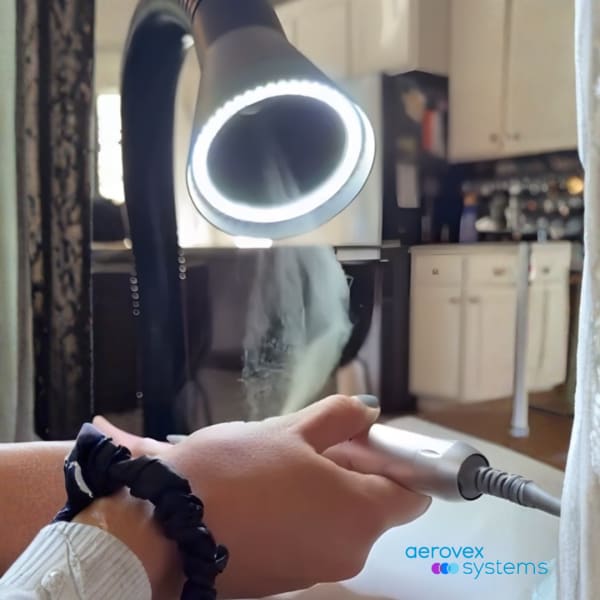
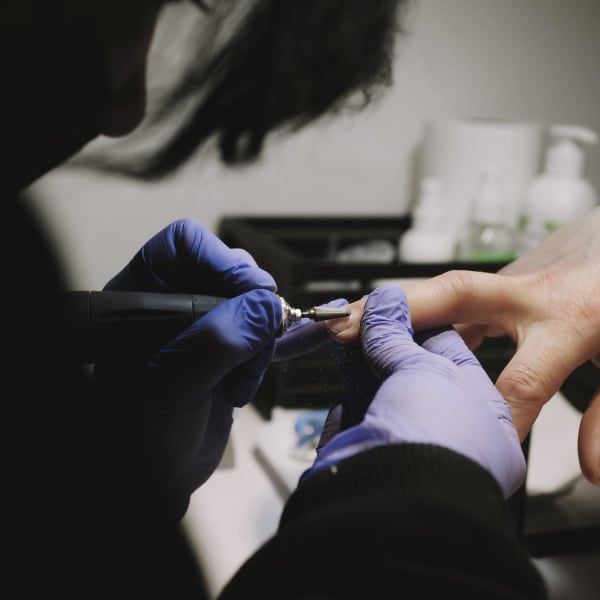
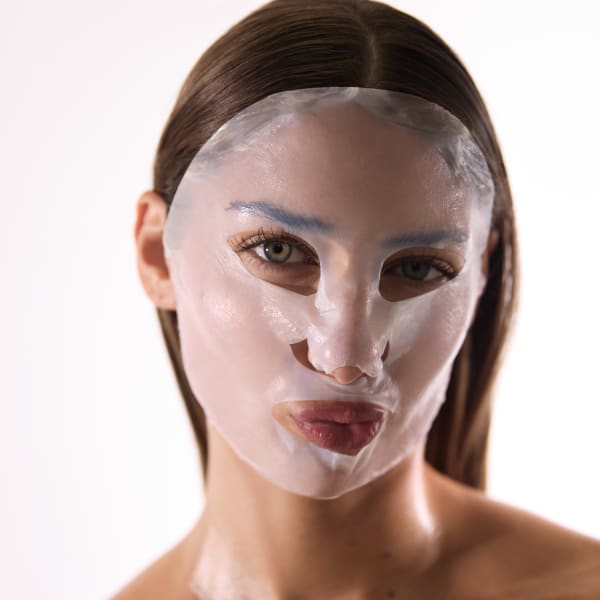
From acrylic monomers to airborne bio-dust, the air inside a nail salon carries risks most professionals never see coming. Aerovex Systems reveals the source-capture and room-purification strategies that are setting a new standard for salon safety.
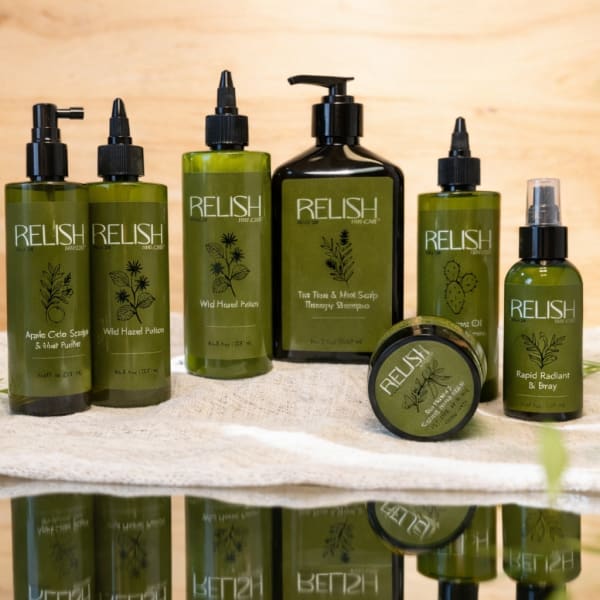
Good hair starts at the scalp. But most salons aren’t offering services or products that address scalp health. Relish, a new product line from the founders of Signature Formulations, has everything salons need to deliver an effective head spa service and offer guests a robust at-home scalp care line.
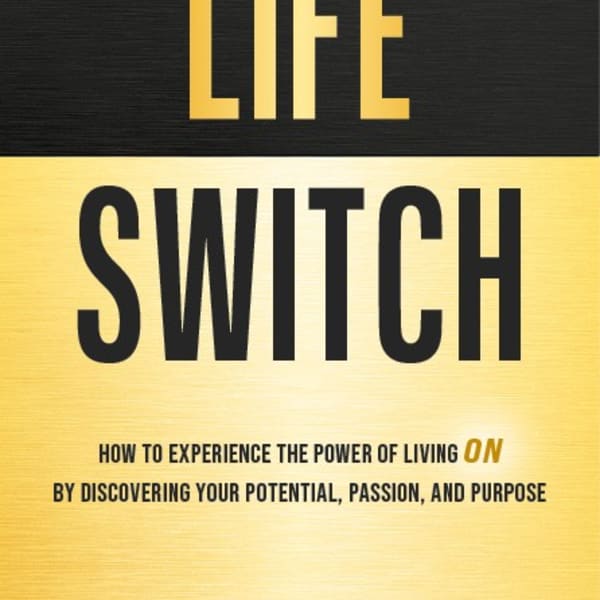
A new book by Joel Steele shows that the most powerful change people can make is to think differently if they want different results. The author believes in the 'Life Switch' so fervently that he's willing to donate $1 million from book sales when he sells his millionth copy.
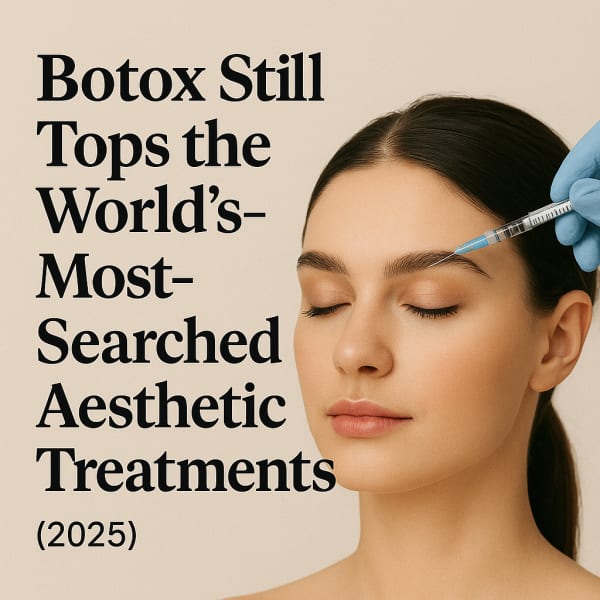
New global search data from beauty and wellness booking platform Fresha reveals that Botox remains the world’s most in-demand aesthetic treatment in 2025—but regenerative “tweakments” like polynucleotide injections, thread lifts and IV drips are seeing explosive growth across key markets.
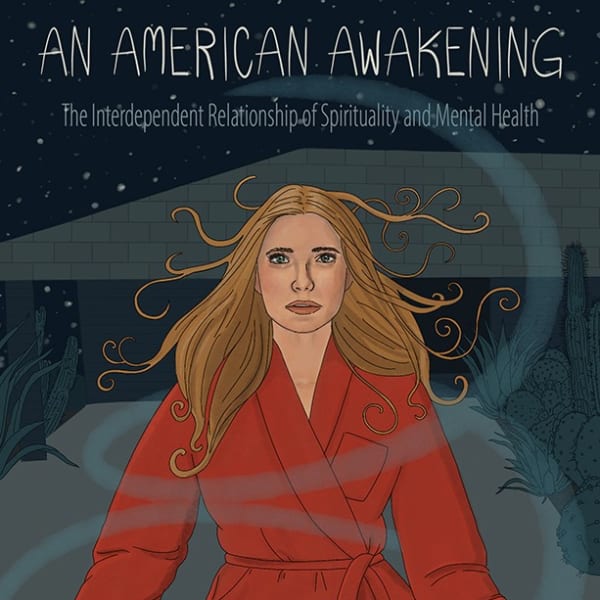
As rates of anxiety, depression, and substance use continue to climb across the U.S., conversations around mental health are more urgent than ever—yet one crucial perspective remains missing. In her captivating new book, Aymie Daniels introduces the little-known concept of “Spiritual Emergency” and opens a timely conversation about how America understands (and often mislabels) extreme psychological states.