





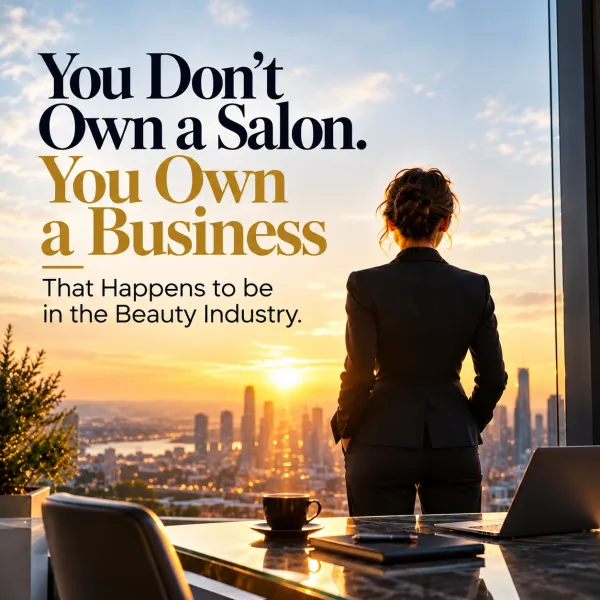
You Don't Own a Salon. You Own A Business.
In his latest blog, Leon Alexander Ph.D., challenges industry conventional thinking to help owners add more to their bottom lines.
 MENU
 SEARCH
Neil Ducoff, Founder and CEO of Strategies, a leading salon/spa/medspa business coaching, consulting and training firm, offers SALON TODAY these twelve characteristics of a great employee.

"Leadership is about growing a company into something extraordinary. It's about getting results, hitting goals, taking calculated risks, and creating profit. It's about structure, discipline, making tough decisions, and, when necessary, leading your company out of a crisis. Leadership is many things, but it's really about people. And it's that people thing that gives leaders a true sense of fulfillment ... or drives them crazy," says Neil Ducoff, Founder and CEO of Strategies, a leading salon/spa/medspa business coaching, consulting and training firm.
"Imagine what it would be like to lead a team of perfect employees. Everyone would show up motivated and on time. Customers would be delighted beyond belief. Change initiatives would be as easy as flipping a switch. Competitors would be in awe. Of course, this scenario is pure fantasy. Even if you had a team of "A" employees, the combination of skills, personalities, thinking, and behaviors would still require a leader capable of bringing them all together to achieve a common goal."
So what exactly are the characteristics of a great employee? Here's Ducoff's list of twelve characteristics:
Trustworthy: At the top of the list is trust. Surrounding yourself with people that are trustworthy allows you to channel your efforts on moving the company forward. Trust eliminates the drama that slows down progress. Simply put, there is no greater feeling a leader can have than knowing that your people have your back.
Team player: It's nice to have a star player on your team - as long as that star supports and complements the team. The moment a star gets that "all about me" thinking, the team becomes fragmented and less effective. There are also employees that tend to hide in the shadow of the team. They are content being dragged along without contributing and putting forth effort. Superstars and slackers alike degrade teams; either get them on the bus or get them off.
Takes initiative: I just love employees that step up and take ownership in solving problems and achieving the right outcomes. These employees lift the team and add a natural momentum. Encourage initiative - don't restrict it by micromanaging.
Embraces change: Change resisters slow progress. It's like a ship dragging an anchor. It's the leader's job to establish a vision and purpose for change. In a culture of trust, change is easier to embrace. Even great employees need help with change.
Sense of urgency: I always say that urgency is energy. Great employees have a bounce in their step and a natural desire to achieve results and win. They inspire others to get up to speed.
Accountability: Great employees never say, "That's not my job." If it needs to get done - they get it done. Accountability is the glue that bonds together a no-compromise culture.
Delivers results: Great employees take pride in their work. They deliver results because they want to contribute and feel valued and appreciated. Most of all, they are passionate about their work and support what the company stands for.
Learns from mistakes: Yes, just like you, great employees make mistakes. Mistakes are a natural byproduct of taking initiative. Great employees learn from mistakes, but it takes a great leader to allow mistakes to become learning opportunities.
Seeks to mentor others: Great employees share their knowledge, skills, and experience with others. They willingly reach out their hand to lift other team members up. Mentoring is what great employees do.
Protects and lives the company culture: Company cultures are highly susceptible to contamination. When left unchecked, toxic employees can quickly spread their ick to others. Great employees serve as an extension of leadership and protect the company culture by living its values. Like antibodies that fight infection, they help weed out people that don't fit the culture.
Integrity: Great employees have strong moral principles. Honesty, compassion, and respect for others make them model employees. They play by the rules and help others do the same.
Sense of humor: Work shouldn't always feel like work. Having a sense of humor lightens up the day and helps when working through tough situations. Laughter and having fun takes the "work" out of work.
"These are just some of the characteristics that define a great employee. In the end, it's the leader that brings these qualities to life or snuffs them out. No compromise," says Ducoff.
Neil Ducoff is the Founder and CEO of Strategies, a leading salon/spa/medspa business coaching, consulting and training firm. He is also is the author of "Fast Forward - Second Edition: The Definitive Guide to Salon/Spa Management," as well as the award-winning "No-Compromise Leadership" and "Wake Up!" books. Learn more at http://www.strategies.com.
In his latest blog, Leon Alexander Ph.D., challenges industry conventional thinking to help owners add more to their bottom lines.
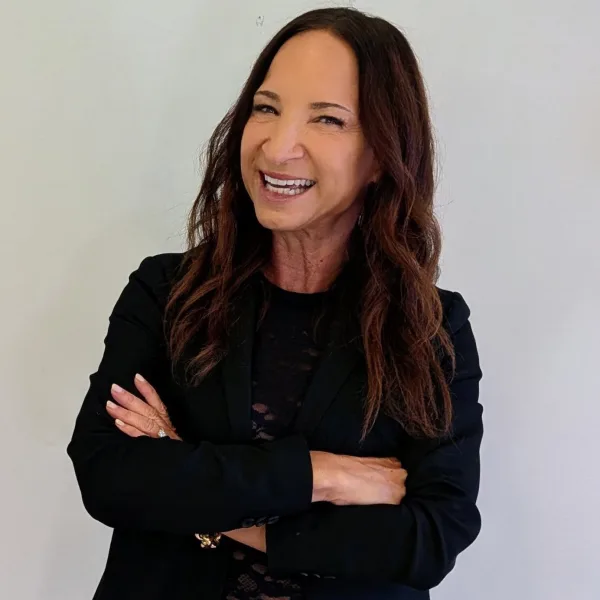
In her latest blog, Amy Pal helps you develop your own clear guidelines around complimentary free employee services.
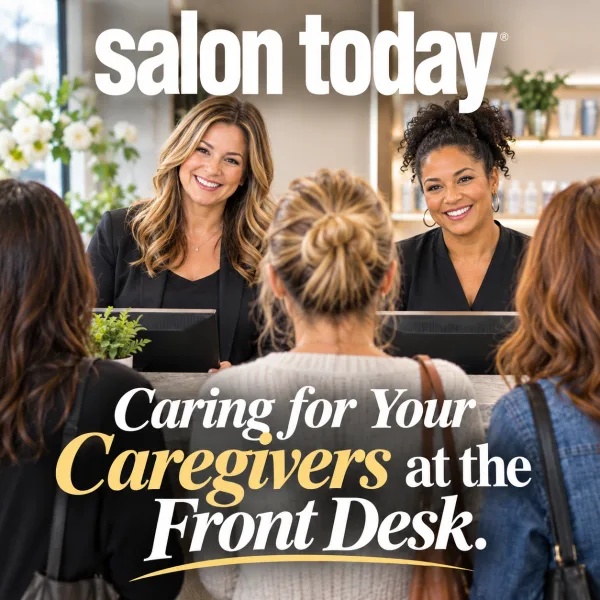
From managing air traffic on busy days to handling frustrated guests' complaints, your front desk team often serves as the salon's emotional shock absorber. From a customer service lesson from the DMV to a list of strategies for caring for your front line, our experts offer ideas for alleviating stress, celebrating wins, and setting goals.

According to the KIM Report, top-line salon revenue appears steady or slightly up, but that growth is driven primarily by service price increases. Beneath the surface, retail performance and client visit frequency (appointment drift) are under real pressure. In his latest blog, Alain Audet offers strategies for keeping your salon's retail sales strong.
Putting your family to work in the salon offers some real tax benefits, but you have you have to play by the rules of the tax code to claim them. Azarvand Tax Law's Leticia Skrabut, Esq., shows you how.

Discover how to create a true “WOW experience” for every client by first building a culture where your team feels engaged, empowered, and inspired. Drawing on Calvin Stovall’s Iconic Framework, this blog explores how salon, spa, and clinic leaders can strengthen culture, elevate customer experience, and build a business that stands out for the long term.
Sponsored by Phorest Salon Software

The wellness industry is growing fast, and salons and barbershops already are an important part of it. In her first blog, Tracy Rado shares where the wellness dollars are heading, and how salons can grow with this movement.

While salon sales are increasing, owners often feel they're working harder for the same or less profit. Leverage Q2 data from The KIM Report, Alain Audet reveals some of the structural changes that are dampening your growth and why your region and your salon size matters.
Weaknesses in your business are amplified during the Holiday Season. Spark Pro Global's Lucy Randall shows you five things to do now to have the strongest holiday season yet.

In Kati Whitledge's latest blog, she shares how salons have moved away from dress codes and embraced appearance standards. But by removing strict dress codes, some businesses may have unintentionally lowered their appearance standards. Whitledge helps you explain to your team why an appearance standard is important and how to smoothly implement a new appearance policy.

The Small Business Health Care Tax Credit is a non-refundable tax credit for for-profit businesses that provides a financial incentive for eligible employers who offer health insurance coverage to their employees. Leticia Skrabut, Esq., walks you through how to claim that credit.
Developing strong work habits early in one's career supports long-term success in the salon industry. Jesse Linares offers new stylists his top five tips.

Most salon owners have no idea what these numbers are. You can hit record sales and still have a profit problem. The difference comes down to four numbers almost nobody was taught to track.
Sponsored by Strata Salon Systems™

A five-area audit every owner-dependent salon needs to run. You built something that looks successful. Now find out if it can survive without you.
Sponsored by Strata Salon Systems™

Every month you put off fixing the problem, it gets bigger, more expensive, and harder to solve.
Sponsored by Strata Salon Systems™
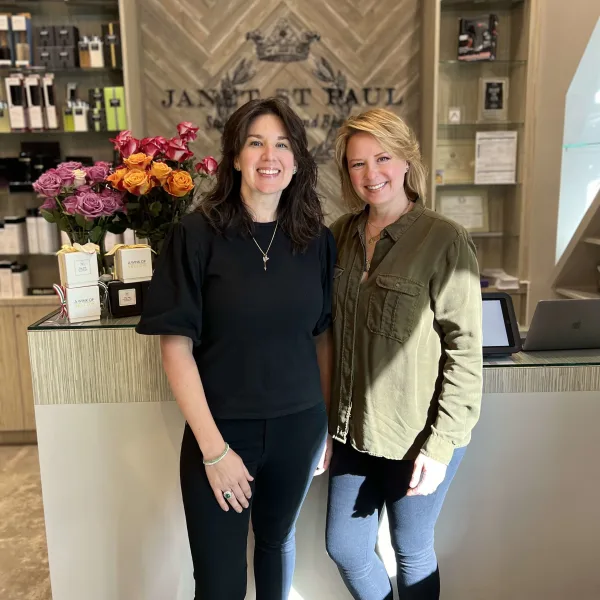
At Janet St. Paul Studio for Hair and Beauty, Director of Operations Natasha McMillen helps bring her wife Janet St. Paul's vision to life, elevating every system from education to operations.

Expand your color service menu with the Pinstripe technique. Brooks and Brooks' Marlon Hawkins walks you through the technique.