Oh, the good old days of marketing when you dreamed up a campaign, called the local newspaper to place an ad and backed it up with a little salon signage. Today, that’s only a piece of the action—now you want to take that info and also e-mail it, text it, Tweet it, and Facebook it—and that’s just the beginning.
Oh, the good old days of marketing when you dreamed up a campaign, called the local newspaper to place an ad and backed it up with a little salon signage. Today, that’s only a piece of the action—now you want to take that info and also e-mail it, text it, Tweet it, and Facebook it—and that’s just the beginning. As our technological capabilities expand, marketing has gotten far more complex.
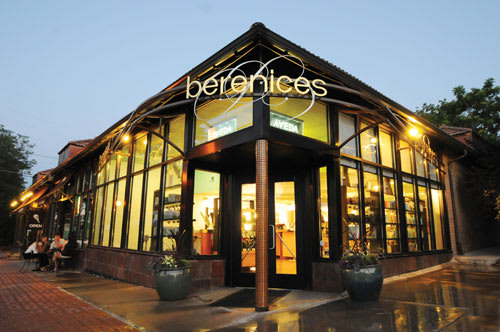
Berenices in Denver, Colorado, was a beta testing site for the salon version of integrated marketing program Demandforce, and the salon’s owners claim it was responsible for an additional $30,000 in revenue in its first six months.
“Everything’s getting integrated,” says Paul Tate, CEO of Shortcuts North America. “This means it’s much easier to get more things done, faster. For example, point-of-sale database is now integrated with e-mail marketing systems so e-mails can be triggered by events in the salon, such as a new client in the salon or a client birthday. This sort of integration and automation makes it easy to send timely, relevant e-mail blasts or e-mail confirmations without spending hours coordinating these communications.”
Ad Loading...
“This sort of technology integration is also making the business much more accessible. For example, five years ago salons started allowing clients to book online, but now these online booking systems are making their way to social platforms where clients “hang out,” like Facebook, and these networks are becoming more commercial with shopping carts, booking engines and e-commerce functions. ”
One integrated marketing and communication platform getting some strong play in the salon industry is Demandforce, a program that originally launched in the dental and automotive industries. Demandforce was introduced to the salon industry through a strategic alliance with SalonBiz, although the program can work with any salon software.
Basically, after downloading the salon’s client communication information into the system—a process that takes about 30 minutes—the program automates many of the mindless, tedious tasks that many front desks do by hand.
First, Demandforce sends out appointment reminders via text or e-mail, according to client preference. Clients are prompted to respond to keep the appointment as is or communicate to the salon if they need to reschedule. “Once a client comes into the salon for a service, she receives a follow-up thank you e-mail, with a message such as ‘Thanks for coming in today, it’s always great to see you,’” says John Cranston, Demandforce senior business development manager.
The e-mail finishes with a quick survey, inviting the client to provide info on their experience, rating the experience, and asking questions, such as “Would you come back to this salon? Would you refer a friend?” Reviews and comments are sent directly to Google.
Ad Loading...
“While we can’t filter reviews, there is a seven-day period before the review is posted publicly. In the meantime, the salon is notified once a review is sent to Google and they have the ability to make a comment. In the case of a bad review, the salon can contact the client to attempt to right a wrong and can express that sentiment in their follow-up public comment,” says Cranston.
Why would you want to encourage clients to ‘review’ your salon? There are a number of reasons, says Cranston. “First, an overwhelming number of these reviews will end up positive. Demandforce is also able to verify that the review came from an actual existing client, and they appear with a certification, which makes them more valuable. And reviews, both positive and negative, are good for search engine optimization—businesses with a higher number of reviews tend to top the list when an internet user searches for “salon” in a specific town,” he points out.
Demandforce also pushes notifications with incentives to clients who haven’t visited the salon in a certain period of time, helps salons to send customized e-mail newsletters, and encourages clients to post comments on their Facebook pages and refer their friends.
Discover how to create a true “WOW experience” for every client by first building a culture where your team feels engaged, empowered, and inspired. Drawing on Calvin Stovall’s Iconic Framework, this blog explores how salon, spa, and clinic leaders can strengthen culture, elevate customer experience, and build a business that stands out for the long term.
The wellness industry is growing fast, and salons and barbershops already are an important part of it. In her first blog, Tracy Rado shares where the wellness dollars are heading, and how salon's can grow with this movement.
While salon sales are increasing, owners often feel they're working harder for the same or less profit. Leverage Q2 data from The KIM Report, Alain Audet reveals some of the structural changes that are dampening your growth and why your region and your salon size matters.
Weaknesses in your business are amplified during the Holiday Season. Spark Pro Global's Lucy Randall shows you five things to do now to have the strongest holiday season yet.
In Kati Whitledge's latest blog, she shares how salons have moved away from dress codes and embraced appearance standards. But by removing strict dress codes, some businesses may have unintentionally lowered their appearance standards. Whitledge helps you explain to your team why an appearance standard is important and how to smoothly implement a new appearance policy.
The Small Business Health Care Tax Credit is a non-refundable tax credit for for-profit businesses that provides a financial incentive for eligible employers who offer health insurance coverage to their employees. Leticia Skrabut, Esq., walks you through how to claim that credit.
Developing strong work habits early in one's career supports long-term success in the salon industry. Jesse Linares offers new stylists his top five tips.
Most salon owners have no idea what these numbers are.
You can hit record sales and still have a profit problem. The difference comes down to four numbers almost nobody was taught to track.
At Janet St. Paul Studio for Hair and Beauty, Director of Operations Natasha McMillen helps bring her wife Janet St. Paul's vision to life, elevating every system from education to operations.
The strongest salons, spas, and med spas know which numbers tell the real story of their business. In this practical guide, Phorest breaks down the five essential KPIs every business should track to improve retention, boost revenue, and make smarter decisions with confidence.
At Bella Style Salon in Slidell, Louisiana, Director of Operations Angela Meyer tackles inventory, team management, and guest relations. Read all about her in our latest Meet the Manager.
Starting at Impressions front desk in 2006 when he was 19 years old, General Manager Paul Petrowsky is a seasoned professional who owner Sarah Taylor says is responsible for much of her own success.
Planning is in full swing for the most anticipated events and promotions for the 2026 holidays. As owners share their favorite ways to celebrate, they prove that a carefully planned event can also build culture, increase client loyalty, boost sales, and set a business up for a successful 2027.
When things run amok at Mane Attraction Salon, Owners Chris and Jenny Knudsen say General Manager Sami Hernandez is their go-to resource and ultimate sounding board. Meet Sami in this installment of Meet the Manager.