Embracing the 3Rs of the environment provides a brillian roadmap to a more sustainable business, according to Valerie Tate from Sustain Beauty Co. First up, she focuses on REDUCE, but watch out for the others in the series: REUSE and RECYCLE
by Valorie Tate
February 14, 2022
5 min to read
Transformations feel good; we know it because the beauty industry is built on makeovers that put smiles on guests’ faces. But the prospect of change can also be intimidating, especially when it is as momentous as trying to build a more environmentally friendly business. Few salons can just shut up shop, find capital for a complete remodel, swap suppliers and convince team and guests all in one go. But the headlines remind us that we all need to take responsibility to stop catastrophic climate change. And Sustain Beauty Co is here to remind you that it’s ok to take it one step at a time.
Making small adjustments that move the business, guests and team towards sustainability without turning it into a drama is, well, more sustainable. Salons getting started often think of the classic principle of the three R’s – REDUCE, REUSE and RECYCLE. Both familiar and simplistic, considering these three principles is a way to get started in examining your footprint. It begins with REDUCING what we consume. It may seem like a big ask, but the bonus is lower costs to the business.
Ad Loading...
REDUCE Energy: Cut energy consumption and you cut your energy bills, which is becoming increasingly expensive in many areas. This is both the most obvious area to cut back, but also one of the hardest as it is an ongoing process. The good news is that there are a lot of little things you can do that add up to a big difference. Start with replacing bulbs with LED, installing automated lights that turn off when no one is in the room, and thermostats on timers. Look for new technology and discuss opportunities for building upgrades with your landlord. Consider your technology and switch to laptops that don’t need to remain plugged in, or iPads. Appliances are big offenders in energy consumption, but they are big capital investments so until they are absolutely beyond repair, change up how you use them. For example, stop tumble drying your towels. Better still, jettison the whole laundry system and buy into the eco Scrummi compostable towel method. The lifecycle of a Scrummi from manufacture to compost bin is less polluting than laundering a single cotton towel.
REDUCE Water: H2O is becoming the new gold standard and we really need to get better at conserving it. Installing water-saving devices is essential and can also pay off in tax write-offs if not in outright cost saving if you are in an area with increasingly expensive water rates. Install new water-efficient faucets and toilets, certified by Watersense, and if that isn’t in the budget, you can put a brick inside the tank so it uses less. Always fix leaks quickly. Drips may not sound like a lot, but can add up to over a gallon a day in wastage. Look to swap out the showerheads in your basin for Ecoheads, which reduce both water and energy usage by up to 65%, while actually beefing up the pressure.
REDUCE Pollution: Beauty uses lots of chemicals but it’s essential to use what is needed to get excellent results. Surprisingly, studies have shown that’s about 40% less than the average salon actually uses. Introducing a color management system like Vish will cut down on excessive dispensing of color that means product is left over in the bowl or over-applied to the hair. And this will also help REDUCE inventory costs. And any waste that can’t be avoided should be disposed of responsibly by teaming up with Green Circle Salons.
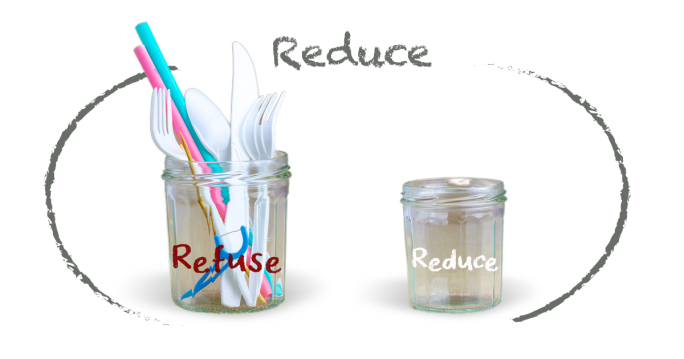
REDUCE Waste: Buying less means there is less to be removed by your waste disposal company, which is always a plus. Stop serving any single-use plastic such as bottled water or disposable cups. Introduce a refilling station where guests can fill up their favorite products, and supersize your own product system so you have fewer bottles to recycle. Let go of aluminum foils, which take 500 years to degrade, and adopt alternatives such as Paper Not Foil, which are reusable and made from building rubble rather than logged trees. Encourage your team to rethink what they bring to the salon, such as food wrappings and ziplocks that end up in your waste bin. But the real experts on trash talk is Green Circle Salons who will help find local solutions to your waste removal and take everything else to make sure it is repurposed or disposed of in a sustainable way.
It’s important to remember that the first R isn’t about not using what you need, it’s about being conscious of unnecessary use. This is also simply good business. If you don’t use as much and create the same (or better) results, you spend less and profit more. Reducing unnecessary consumption is the first and most important step towards sustainability, and it’s not difficult or costly. It’s good for you, your team will love the journey, and the planet will stay as beautiful as your clients.
About SBCo:Sustain Beauty Co was born with the mission to help identify authentic, credible and environmentally responsible brands that put stylists at the forefront of their purpose. All Sustain Beauty Co products must: 1) Reduce the footprint of consumables in our industry. 2) Empower artists to create beauty responsibly. 3) Protect the stylist and the environment equally. 4) Come from ethical sources and responsible manufacturing facilities. Going ‘green’ shouldn’t sacrifice quality, and the professional beauty industry should have more options to be sustainably beautiful.
Discover how to create a true “WOW experience” for every client by first building a culture where your team feels engaged, empowered, and inspired. Drawing on Calvin Stovall’s Iconic Framework, this blog explores how salon, spa, and clinic leaders can strengthen culture, elevate customer experience, and build a business that stands out for the long term.
The wellness industry is growing fast, and salons and barbershops already are an important part of it. In her first blog, Tracy Rado shares where the wellness dollars are heading, and how salon's can grow with this movement.
While salon sales are increasing, owners often feel they're working harder for the same or less profit. Leverage Q2 data from The KIM Report, Alain Audet reveals some of the structural changes that are dampening your growth and why your region and your salon size matters.
Weaknesses in your business are amplified during the Holiday Season. Spark Pro Global's Lucy Randall shows you five things to do now to have the strongest holiday season yet.
In Kati Whitledge's latest blog, she shares how salons have moved away from dress codes and embraced appearance standards. But by removing strict dress codes, some businesses may have unintentionally lowered their appearance standards. Whitledge helps you explain to your team why an appearance standard is important and how to smoothly implement a new appearance policy.
The Small Business Health Care Tax Credit is a non-refundable tax credit for for-profit businesses that provides a financial incentive for eligible employers who offer health insurance coverage to their employees. Leticia Skrabut, Esq., walks you through how to claim that credit.
Developing strong work habits early in one's career supports long-term success in the salon industry. Jesse Linares offers new stylists his top five tips.
Most salon owners have no idea what these numbers are.
You can hit record sales and still have a profit problem. The difference comes down to four numbers almost nobody was taught to track.
At Janet St. Paul Studio for Hair and Beauty, Director of Operations Natasha McMillen helps bring her wife Janet St. Paul's vision to life, elevating every system from education to operations.
The strongest salons, spas, and med spas know which numbers tell the real story of their business. In this practical guide, Phorest breaks down the five essential KPIs every business should track to improve retention, boost revenue, and make smarter decisions with confidence.
At Bella Style Salon in Slidell, Louisiana, Director of Operations Angela Meyer tackles inventory, team management, and guest relations. Read all about her in our latest Meet the Manager.
Starting at Impressions front desk in 2006 when he was 19 years old, General Manager Paul Petrowsky is a seasoned professional who owner Sarah Taylor says is responsible for much of her own success.
Planning is in full swing for the most anticipated events and promotions for the 2026 holidays. As owners share their favorite ways to celebrate, they prove that a carefully planned event can also build culture, increase client loyalty, boost sales, and set a business up for a successful 2027.
When things run amok at Mane Attraction Salon, Owners Chris and Jenny Knudsen say General Manager Sami Hernandez is their go-to resource and ultimate sounding board. Meet Sami in this installment of Meet the Manager.