









Kelly Huether Reacquires Life of Riley and Riley Salon Resources
Life of Riley Salon Supply and Riley Salon Resources are back in the family, as Kelly Huether acquires the professional distributor he co-founded in 2013.
by Staff
 MENU
MENU SEARCH
Two Chicago salons are gaining recognition for pricing based on hair length rather than gender. The system has proven to be not only socially impactful, but also business savvy.

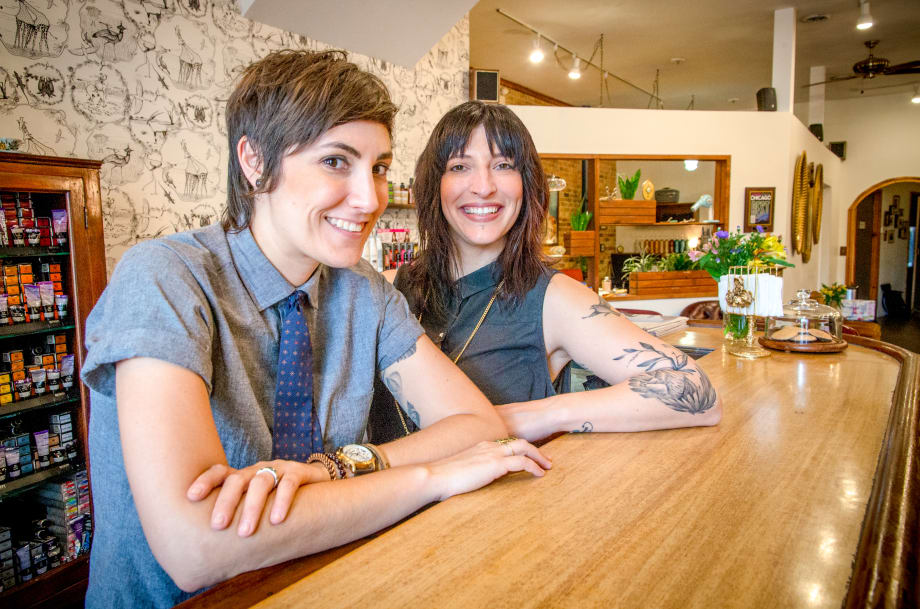
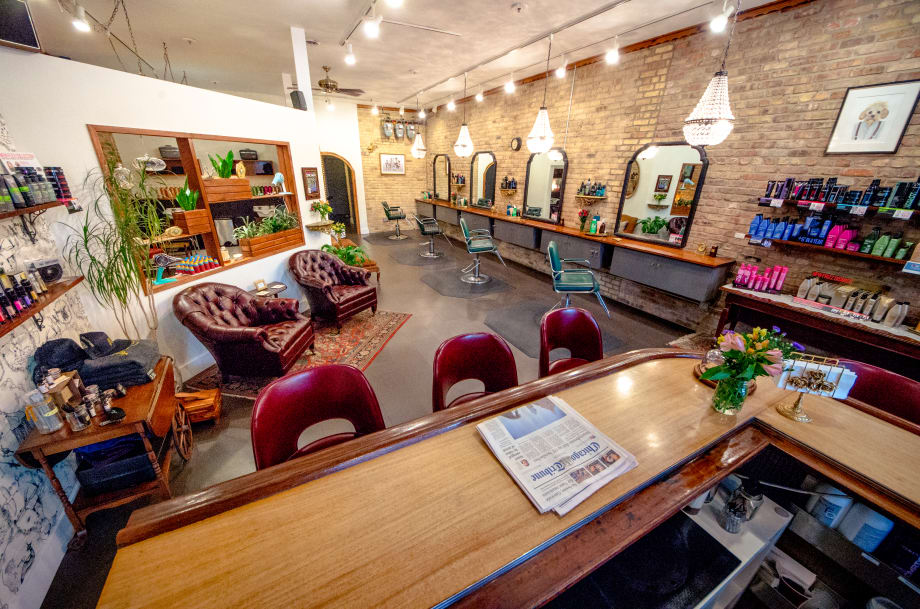
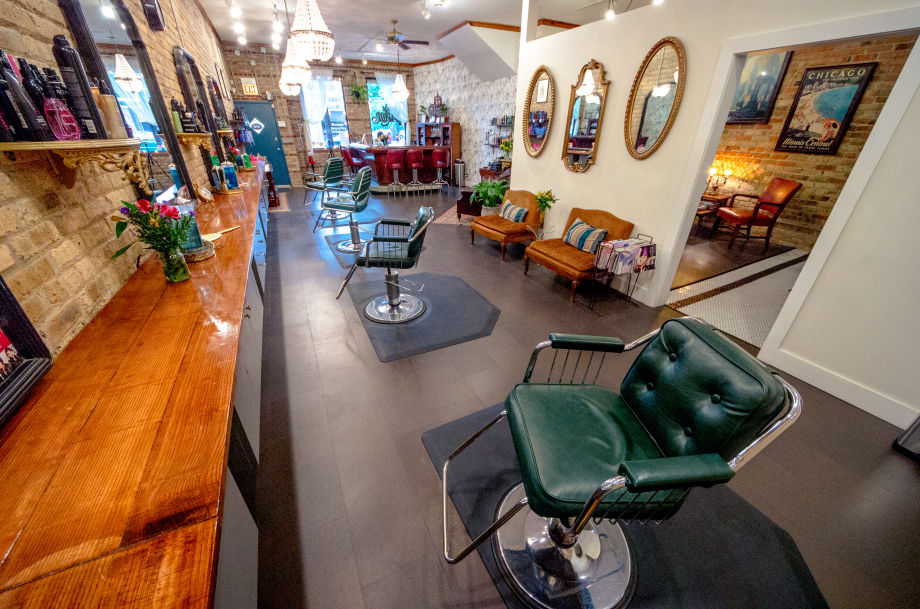

Logan Parlor co-owners Tricia Serpe and Jamie DiGrazia at the salon’s bar, a key feature in building the welcoming, community environment on which the salon prides itself.
Toshi Fujimura
Recently, there has been buzz surrounding two salons in the Logan Square neighborhood of Chicago for their pricing system. Counter to the traditional method of charging clients for men’s or women’s cuts, Barbara & Barbara and Logan Parlorsalons price based on hair length, with a mission of creating an inclusive environment for clients.
“From a social perspective, it’s about equality,” says Logan Parlor co-owner Tricia Serpe. “Hair has no gender. The salon industry assumes all long hair cuts are women and short cuts are men. That is not true.”
Serpe explains gender-neutral pricing is also smart for business—improving profits, scheduling and client loyalty.
Here Serpe shares three ways gender-neutral pricing makes business run smoother:
1. Length-based pricing optimizes the salon’s book, reducing downtime for stylists and preventing appointments from running over and interfering with the next one. When a client calls to make an appointment, the receptionist asks about the length of the hair and blocks out time for the appointment accordingly. Stylists will have time with every client to provide education on recreating their style and to give product recommendations. More shared product knowledge means more retail sold.
2. Customized pricing for every client means clients with shorter cuts who require frequent maintenance will feel able to return to the salon more often. For example, if a woman with short hair pays $70 for a women’s hair cut, she might not be able to budget at the same frequency of visits. However, if her short cut costs $35 because it takes her stylist less time to complete the service, she may be inclined to book appointments more often and maintain her look, potentially leading to more referrals.
3. Transparency of pricing leads to increased client loyalty. Guests appreciate knowing the cost of a hair cut or color service was based on the time it takes to complete the service and the amount of product used. When a client changes his or her style, such as going from long to chin-length hair, the stylist can explain to the guest that the price is decreasing because it will take less time to blow dry and finish the look. Alternately, if the price will increase because a client’s hair grew out, a stylist can explain the cost is more because more time is needed.
Beyond the economic value, gender-neutral pricing is also a part of building a welcoming and inclusive culture. Avoiding the phrases “women’s cut” and “men’s cut” discourages assumptions about how men and women should wear their hair. Increasingly, men are wearing their hair longer and women are exploring barber cuts.
“We do everything we can for the customers in our chairs to ensure what they’re presenting to the world is what they feel inside,” says Jackie Young, stylist and barber at Barbara & Barbara.
Logan Parlor and Barbara & Barbara have both scheduled training with the Safe in My Chair program, designed to teach stylists the soft skills of being open, caring and compassionate with their guests. Founded by stylist Mia Smith, Safe in My Chair began as a database to connect clients who have experienced domestic violence, have PTSD, or are transgender, with beauty professionals who are trained in attentive consultations, listening to understand and making guests feel confident.
“For us, it was never a question as to how to charge our guests,” Serpe says. “We have a very diverse clientele so we are excited to become certified and let our current and future guests know we are a safe space for them.”
Originally posted on Modern Salon
Life of Riley Salon Supply and Riley Salon Resources are back in the family, as Kelly Huether acquires the professional distributor he co-founded in 2013.

BaBylissPRO and IGK have partnered to launch the BaBylissPRO Studio Trunk, transforming the professional tool brand’s digital Style Studio into a physical experience for the first time in its sixty-year history.
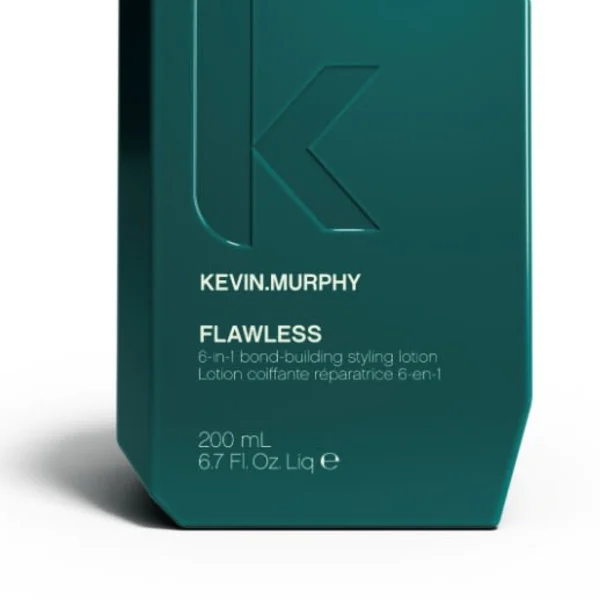
KEVIN.MURPHY's Flawless combines hair repair and styling benefits using KM.Re.Bond technology.
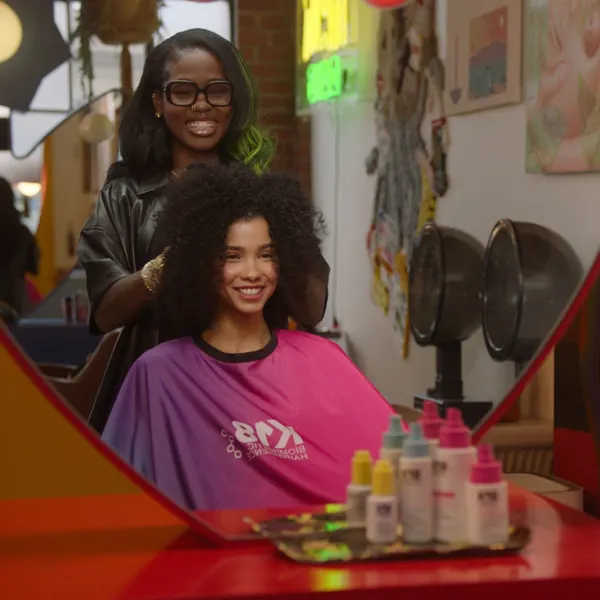
K18 Biomimetic Hairscience has partnered with Beauty Changes Lives to launch the K18 Future of Hair Scholarship, aiming to support aspiring professional stylists by reducing financial barriers to cosmetology education.
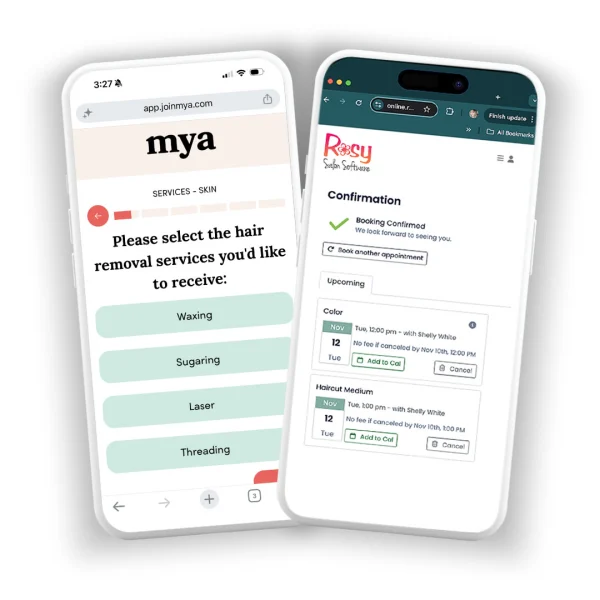
Rosy Salon Software integrates with Mya, empowering salons, spas, and barbershops to transform their websites into powerful, automated lead-generation machines.

Known for his buttery blondes and a technique for highlighting hair with more precision that he called chunking, Brad Johns died on August 27. His friend and fellow colorist, David Stanko, shares thoughts on his talented colleague and close friend.

The Green Beauty Community Foundation convenes beauty brands, salon-industry leaders, educators, and sustainability organizations for a collaborative professional beauty gathering on September 23rd in New York.

At 80, global feminist, former marriage and family therapist, executive coach, and powerlifter Barrie Zucal shows women how to stop letting “debilitating goodness” derail their dreams. Her empowering new book, BOLD: How Women Play BIG by Leading Instead of Pleasing, calls out the quiet conditioning that holds women back from achieving their ambitions — and shows them how to free themselves.
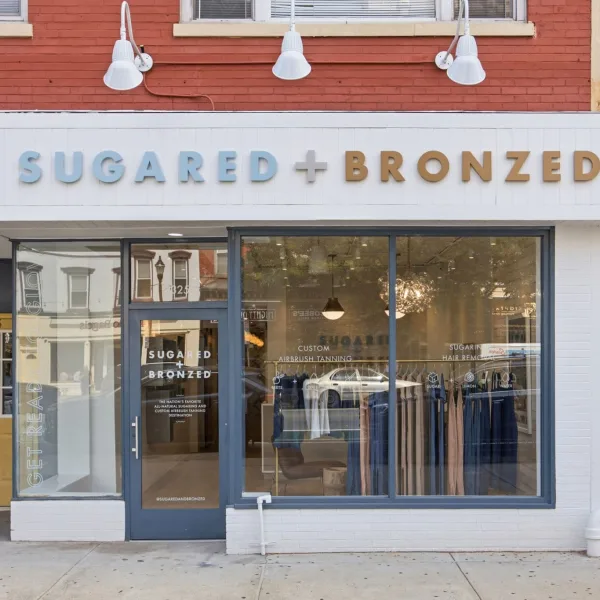
From a Santa Monica apartment startup to the nation's largest sugaring and sunless tanning brand, SUGARED + BRONZED reaches a major milestone with 50 locations across 10 markets.
The Davines Edit reflects the brand’s passion for people and planet.