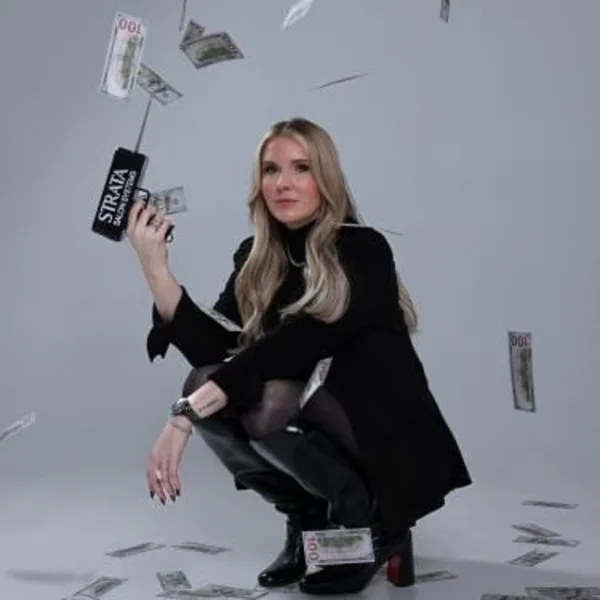
Strategies' Neil Ducoff shares six lessons for controlling your profit.
Profit is a strange little beast.
Salon/spa owners fight for it — even obsess over it. And if you’re not fighting to create profit, you absolutely should be.
FACT: Profit doesn’t mean cash in the bank.
It’s like profit is some sort of sick mind game where you can be profitable and broke at the same time.
Even crazier — profit can be negative for extended periods and you’re still in business.
And the ultimate body blow is when you have to pay taxes on profit even though there’s little or no cash.
Clearly, it’s better to show a profit than a loss, but wouldn’t it be nice if you could get some control over that little beast?
The good news is, you can control profit if you follow these six lessons:
LESSON ONE: Profit is a measurement
Leaders monitor and drive productivity rates, client retention rates, gross profit margins, payroll costs, product, and raw material costs, purchase frequency, return on investment (ROI), and other key benchmarks and financial ratios.
Profit is simply another measurement to show how well your salon/spa is managing its variable and fixed costs over a specific date range, typically by month, quarter, and fiscal year.
The game is simple; spend less than you take in and you will have profit. The most direct path to profit is to drive it just as relentlessly as you drive productivity, prebook, and client retention rates.
LESSON TWO: Profit isn’t cash — and never will be
Profit is an abstract. Profit is not cash in the bank. For example: If you sell a $100 gift card, the entire transaction occurs on the Balance Sheet. Cash goes up $100 and Gift Card Liability goes up $100. Nothing happens on the Profit & Loss Statement until the gift card is redeemed and is officially recorded as a sale. But that doesn’t mean the $100 is still in your bank account patiently waiting to be called to active duty.
The sales transaction (income) is connected to profit — not cash in the bank.
Principal payments on debt occur on the Balance Sheet. Only interest expense appears on the Profit & Loss Statement.
Profit helps to pay down debt. In other words, continued losses will force you into more debt. As stated in lesson one, treat profit as a measurement and somewhere in that profit measurement, you will find cash.
LESSON THREE: Profit is behavior-driven
Profit & Loss Statements and Balance Sheets are a numeric readout of your thinking and behavior as a leader and a company. The hardest job we have when coaching leaders, especially entrepreneurs, is getting them to practice and live the fiscal behaviors that create profit.
Unchecked and unjustified spending and financial decisions can and will keep a company in a perpetual cash crisis.
Every expense must meet the “gotta have” or “nice to have” test. The problem is entrepreneurs can justify anything. Nice to have’s can wait. Gotta-have’s must be funded out of cash or by incurring more debt. If you’re already burdened with debt, make do with what you have.
LESSON FOUR: Profit is systems driven
You don’t go on a long voyage without a plan consisting of maps, fuel, supplies, backup equipment, and contingencies. The plan is a system. The map is a system. Efficient use of fuel (cash) is a system.
Profit is no different. If you hate numbers and refuse to build and follow a cash-flow plan or budget, you may create profit out of dumb luck.
But profit is a nasty little beast that likes to avoid capture. Systems are the fiscal tools that create profit. Stop fighting them. They’re not difficult to master.
LESSON FIVE: Profit can and must be turned into cash
As stated earlier, you can be profitable and broke. Turning profit into cash is where the Balance Sheet comes in.
If your Balance Sheet is showing more assets (what you own) than liabilities (what you owe), you have positive equity. (Assets = Liabilities + Equity)
If your liabilities exceed your assets, your business is unhealthy and probably starving for cash.
Excessive debt saps the financial life out of a salon/spa — no matter how busy and successful it appears to the rest of the world.
Pay attention to your Balance Sheet. Pay down rather than add debt. Build cash reserves in a separate account and protect them from your entrepreneurial seizures.
A few thousand dollars here and there will begin to add up into “sleep good at night money.” If you don’t understand what your Balance Sheet is telling you, you need coaching now.
LESSON SIX: Easy come – easy go
Profit is something you fight for — especially in these high inflation economic times.
Building cash reserves is something you discipline yourself to do. Why? Because cash flow and cash reserves can go “poof” in a heartbeat.
All it takes is a little leadership complacency or a bad decision to throw your company into a cash crisis.
Profit is a beautiful thing to be cherished and protected. Otherwise, the profit beast will get out of control and wreck your world before you can say, “Where’s all the cash?”
Final Word: Profit is a planned outcome. Turning profit into cash requires a system, discipline, and accountability.
Want some help?
If you’ve been struggling to create profit, or are baffled about why you’re always fighting cash flow, it’s time to schedule a free Strategies coaching session. We can help get your numbers in order, and more importantly, give you the knowledge and confidence to use them to make smart decisions for your company.