










You Don't Own a Salon. You Own A Business.
In his latest blog, Leon Alexander Ph.D., challenges industry conventional thinking to help owners add more to their bottom lines.
 MENU
MENU SEARCH
There are those clients who only miss appointments in a true emergency, and those who are habitual offenders. Phorest's Shauna O'Halloran proves that charging a no-show fee actually boosts client retention, while protecting your business from this bad habit.

Shauna O'Halloran, Phorest Salon Software's content and marketing manager.
It’s hard to believe, but it’s true: charging a client for a no-show makes them more likely to rebook and turn up for a future appointment. It’s one of those retention conundrums that can make it hard to make the right decisions around no-show policies. But just like cutting out discounts and knowing how to charge what you’re worth, valuing your services enough to charge clients when they fail to show for an appointment shows can create demand and help your salon elevate from good to great.
And we’re not just working off a hunch here. Phorest Salon Software has done the research, looking at the numbers from a sample of over 5,000 salons and how they treat their no-shows to get to the bottom of what makes the most business sense.
Of the salons analyzed, we discovered that 50% of the clients who were charged for their no show came back to the salon, while only 37% of the not charged clients did so.
Because You’re Worth It
So why would client behavior show that your customers prefer to be charged for an appointment they didn’t show for? Because by charging for a service, the salons that charge are showing that they know the value of their offering. It sends a message that their salon is in demand and worth turning up for. It also clears the customer’s conscience. While there are always the repeat offenders, many no-shows are due to genuine error, a mis-managed diary or a double booking. Customer behaviour anecdotally shows that following a no-show, people are all too frequently too embarrassed or concerned to rebook and many decide to instead book with a competitor for fear of it being noted on their next visit.
By acknowledging the no-show you are not only letting the customer know that your services are valuable, but you are also alleviating any awkwardness that might prevent them from picking up the phone in the future.
Create a Policy
Creating a policy around no-shows is a simple and bullet-proof way of letting your staff know what to do when a client fails to show for an appointment. If your salon has an online booking facility, you’ve already got a headstart, as it should be noted at the time of booking that anything up to the full amount of the treatment could be charged in the event of a no-show.
If your salon offers high-value treatments or services, you should consider taking a deposit at the time of booking to secure against future no-shows - it also means your clients will be far more likely to turn up if they have already made even a small level of monetary investment.
Many successful salons create a tiered policy, whereby a certain percentage can be charged on the first no-show, or if it’s within a certain time frame that allows you to rebook or slot in a cancellation. The important thing is to have something in place that all staff are aware of and that requires management to override at their discretion.
Prevention Tactics that Really Work
Of course, the more ideal situation is that you minimise or eliminate no-shows altogether, here are some ways you do just that
Set up automated appointment reminders to go out via email and SMS at a set time pre-appointment
Salon branded booking apps give customers full flexibility to change and update their appointments in real time without disturbing your live schedule. It gives them options and keeps you informed and in control of what that client is going to do next. You can also predict client behaviour by tracking repeat offenders or those that constantly move appointments - yet another way you can take preventative measures.
Got a client who’s got a history of not showing up? See their previous form using your software and add a note to charge a deposit on booking. Or have a regular dream client who had a genuine emergency? Their client history will allow you to make the decision to waive fees whenever you choose.
Ultimately, what marks a quality salon above the rest is understanding how to charge for their time. And when it increases revenue and retention rates, charging your customers for not turning up just makes great business sense.
About the Author:Shauna O'Halloran the content & marketing manager at Phorest Salon Software and is passionate about all things brand and storytelling. In a former life, she was the editor of Ireland's premier glossy women's magazine Irish Tatler, having risen through the ranks as a business journalist and then beauty editor. Having implemented and run the Irish Spa Awards for more than 10 years, she has strong connections with the salon and spa industry and understands the daily challenges salon owners face. Through content creation and direction, she has helped multiple brands in beauty and beyond deliver their messaging to key audiences worldwide.
In his latest blog, Leon Alexander Ph.D., challenges industry conventional thinking to help owners add more to their bottom lines.

In her latest blog, Amy Pal helps you develop your own clear guidelines around complimentary free employee services.
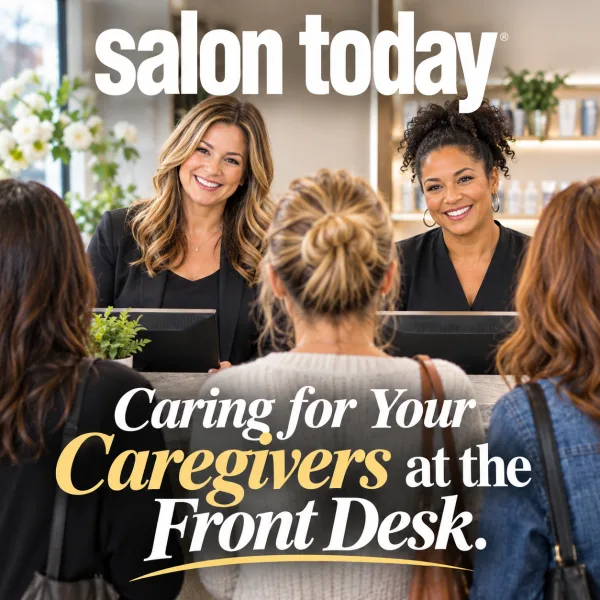
From managing air traffic on busy days to handling frustrated guests' complaints, your front desk team often serves as the salon's emotional shock absorber. From a customer service lesson from the DMV to a list of strategies for caring for your front line, our experts offer ideas for alleviating stress, celebrating wins, and setting goals.

According to the KIM Report, top-line salon revenue appears steady or slightly up, but that growth is driven primarily by service price increases. Beneath the surface, retail performance and client visit frequency (appointment drift) are under real pressure. In his latest blog, Alain Audet offers strategies for keeping your salon's retail sales strong.

Putting your family to work in the salon offers some real tax benefits, but you have you have to play by the rules of the tax code to claim them. Azarvand Tax Law's Leticia Skrabut, Esq., shows you how.

Discover how to create a true “WOW experience” for every client by first building a culture where your team feels engaged, empowered, and inspired. Drawing on Calvin Stovall’s Iconic Framework, this blog explores how salon, spa, and clinic leaders can strengthen culture, elevate customer experience, and build a business that stands out for the long term.
Sponsored by Phorest Salon Software

The wellness industry is growing fast, and salons and barbershops already are an important part of it. In her first blog, Tracy Rado shares where the wellness dollars are heading, and how salons can grow with this movement.

While salon sales are increasing, owners often feel they're working harder for the same or less profit. Leverage Q2 data from The KIM Report, Alain Audet reveals some of the structural changes that are dampening your growth and why your region and your salon size matters.

Weaknesses in your business are amplified during the Holiday Season. Spark Pro Global's Lucy Randall shows you five things to do now to have the strongest holiday season yet.

In Kati Whitledge's latest blog, she shares how salons have moved away from dress codes and embraced appearance standards. But by removing strict dress codes, some businesses may have unintentionally lowered their appearance standards. Whitledge helps you explain to your team why an appearance standard is important and how to smoothly implement a new appearance policy.

The Small Business Health Care Tax Credit is a non-refundable tax credit for for-profit businesses that provides a financial incentive for eligible employers who offer health insurance coverage to their employees. Leticia Skrabut, Esq., walks you through how to claim that credit.

Developing strong work habits early in one's career supports long-term success in the salon industry. Jesse Linares offers new stylists his top five tips.

Most salon owners have no idea what these numbers are. You can hit record sales and still have a profit problem. The difference comes down to four numbers almost nobody was taught to track.
Sponsored by Strata Salon Systems™

A five-area audit every owner-dependent salon needs to run. You built something that looks successful. Now find out if it can survive without you.
Sponsored by Strata Salon Systems™

Every month you put off fixing the problem, it gets bigger, more expensive, and harder to solve.
Sponsored by Strata Salon Systems™
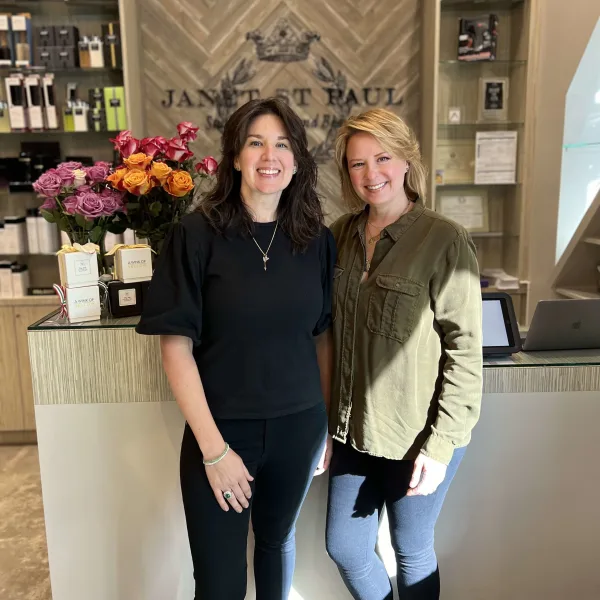
At Janet St. Paul Studio for Hair and Beauty, Director of Operations Natasha McMillen helps bring her wife Janet St. Paul's vision to life, elevating every system from education to operations.

Expand your color service menu with the Pinstripe technique. Brooks and Brooks' Marlon Hawkins walks you through the technique.