Between making less and receiving fewer and smaller raises and benefits, inflation is impacting the female workforce much harder than their male counterparts, according to a recent study.
by Staff
May 24, 2023
4 min to read
In a recent study, just 39% of women reported that they earn a salary of $55,000 or more--28% less than men.
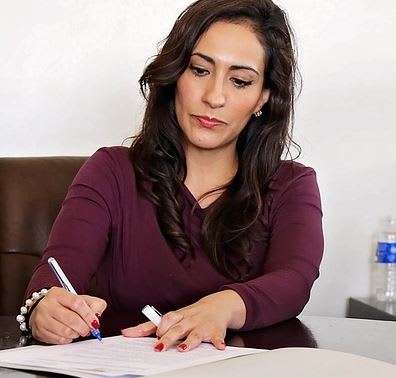
Pixabay
According to a recent study, 1 in 10 women have stated that they must rely on additional income outside of their fulltime professional jobs to get by in the current economic climate – with 40% admitting that they feel underpaid for the work they do.
The study of 6,000+ professionals across North America by global recruiter Robert Walters explored workplace diversity and inclusion. Just 39% of women reported that they earn a salary of $55,000 or more--28% less than men. This comes at a time when gender pay gaps and workplace equality is a core focus or organizations across the country.
Ad Loading...
Adding into the equation the additional rise in cost-of-living, women appear to be more impacted – in fact, just 25% of women feel they can live comfortably and have a good amount of disposable income for savings or purchases of their choosing.
Study Highlights:
1 in 10 women rely on additional income outside of fulltime work
40% of women feel underpaid for what they do, vs 24% of men
67% of men earn a median salary of $55k or more, vs 39% of women
A quarter of females (24%) have not had a pay rise in the last 12 months, 9% more than men
Men are twice as likely to receive additional monetary-based perks, such as mortgage allowances
17% more men received bonuses in line with their expectations – 65% of men vs 48% of women
Coral Bamgboye, head of ED&I at Robert Walters United States comments: “Whilst the gender pay gap has narrowed over recent years, we still have a significant way to go. Our research indicates that men remain to be on higher wages, feel more satisfied with their salary, and are far more likely to receive a pay rise should they request it- in fact, our survey reveals just a quarter (25%) of women have received near 75-100% of the pay rise that they requested, with double the number of women than men stating that they received nothing following negotiation.
“Across the first half we saw the reality of rising living costs across the US - with home prices, groceries, gas and public transportation becoming increasingly expensive," she continues. "Now more than ever, employees are relying on their salaries and job security to ensure they stay afloat – but with 7% more women than men stating that they live paycheck to paycheck with no disposable income, it’s evident that men have an unfair advantage in living in the current economy.”
Ad Loading...
Pay Rises That Just Won't Do
According to the Robert Walter survey, of those professional women who did receive a pay increase this year, the majority got below the current rate of inflation – with 32% receiving a pay increase of 1-5%. Just 9% received an increase of 21% or more; compared to twice as many men (19%) who earned the inflation busting increase.
In fact, a quarter of women (24%) have admitted that they have not received a pay increase at all within the past 12 months. This is particularly concerning when we address that in 2022, the US saw the largest increase in Consumer Price Index since 1982, increasing by +7.5% from 2021 (food prices increased 7%, while energy prices rose 27%).
Women Hesitant to Negotiate
While the need for higher salaries and monetary benefits is evident from women, it seems that many are facing barriers which prevent them from negotiating.
Almost a fifth (16%) admit to being hesitant in negotiating salaries because they ‘do not believe their employer will provide the pay rise.’ A further double the number of women than men stated that they felt a lack of confidence or embarrassment when it comes to negotiating for better pay.
Bamgboye adds: “The gender pay gap has been prevalent for as long as the modern economy has and because of this, women should be supported by their employers in a way that makes them feel comfortable and confident when it comes to salary negotiation. While organizations work to bridge the gap, employers need to be more prepared to address issues and make changes - particularly when it comes to appraisals and benchmarking salaries more fairly, without waiting for employees to seek fair pay themselves"
Ad Loading...
“Employers must remember that we’re in the midst of a talent shortage," she continues. "If women find it significantly more difficult getting by on their current wage, particularly as we navigate through this tough economy, it may be more appealing to look for new jobs rather than preparing for conversations around salary negotiation – especially when many believe these conversations won’t be successful.”
The Benefits Gap
Men are also twice as likely to receive additional monetar4y-based perks than women, broken down below:
410K Retirement Plan: 25% men vs.19% women
Bonus Scheme: 19% men vs. 11% women
Equity/Company stocks and/or shares: 12% men vs. 6% women
Mortgage Allowance: 11% of men vs. 6% women
About Robert Walters:With more than 4,300 people in 31 countries, Robert Walters Group deliver recruitment consultancy, staffing, recruitment process outsourcing and managed services across the globe. From traditional recruitment and staffing to end-to-end talent management, our consultants are experts at matching highly skilled people to permanent, contract and interim roles across all professional disciplines, including; Accounting & Finance, Banking & Financial Services, Engineering, Human Resources, Information Technology, Legal, Sales & Marketing, Secretarial & Support, Supply Chain & Procurement. www.robertwaltersgroup.com
Discover how to create a true “WOW experience” for every client by first building a culture where your team feels engaged, empowered, and inspired. Drawing on Calvin Stovall’s Iconic Framework, this blog explores how salon, spa, and clinic leaders can strengthen culture, elevate customer experience, and build a business that stands out for the long term.
The wellness industry is growing fast, and salons and barbershops already are an important part of it. In her first blog, Tracy Rado shares where the wellness dollars are heading, and how salon's can grow with this movement.
While salon sales are increasing, owners often feel they're working harder for the same or less profit. Leverage Q2 data from The KIM Report, Alain Audet reveals some of the structural changes that are dampening your growth and why your region and your salon size matters.
Weaknesses in your business are amplified during the Holiday Season. Spark Pro Global's Lucy Randall shows you five things to do now to have the strongest holiday season yet.
In Kati Whitledge's latest blog, she shares how salons have moved away from dress codes and embraced appearance standards. But by removing strict dress codes, some businesses may have unintentionally lowered their appearance standards. Whitledge helps you explain to your team why an appearance standard is important and how to smoothly implement a new appearance policy.
The Small Business Health Care Tax Credit is a non-refundable tax credit for for-profit businesses that provides a financial incentive for eligible employers who offer health insurance coverage to their employees. Leticia Skrabut, Esq., walks you through how to claim that credit.
Developing strong work habits early in one's career supports long-term success in the salon industry. Jesse Linares offers new stylists his top five tips.
Most salon owners have no idea what these numbers are.
You can hit record sales and still have a profit problem. The difference comes down to four numbers almost nobody was taught to track.
At Janet St. Paul Studio for Hair and Beauty, Director of Operations Natasha McMillen helps bring her wife Janet St. Paul's vision to life, elevating every system from education to operations.
The strongest salons, spas, and med spas know which numbers tell the real story of their business. In this practical guide, Phorest breaks down the five essential KPIs every business should track to improve retention, boost revenue, and make smarter decisions with confidence.
At Bella Style Salon in Slidell, Louisiana, Director of Operations Angela Meyer tackles inventory, team management, and guest relations. Read all about her in our latest Meet the Manager.
Starting at Impressions front desk in 2006 when he was 19 years old, General Manager Paul Petrowsky is a seasoned professional who owner Sarah Taylor says is responsible for much of her own success.
Planning is in full swing for the most anticipated events and promotions for the 2026 holidays. As owners share their favorite ways to celebrate, they prove that a carefully planned event can also build culture, increase client loyalty, boost sales, and set a business up for a successful 2027.
When things run amok at Mane Attraction Salon, Owners Chris and Jenny Knudsen say General Manager Sami Hernandez is their go-to resource and ultimate sounding board. Meet Sami in this installment of Meet the Manager.