In a world where everyone is rushing to make an environmental claim, the various terms can seem interchangeable, but they're not. Using them incorrectly, and your business can be accused of greenwashing. James Alba, owner of the B-Hive Organic Salon is here to help you keep your green terms straight.
by James Alba, Owner of B-Hive Organic Salon and Founder of The Salon Movement
January 11, 2024
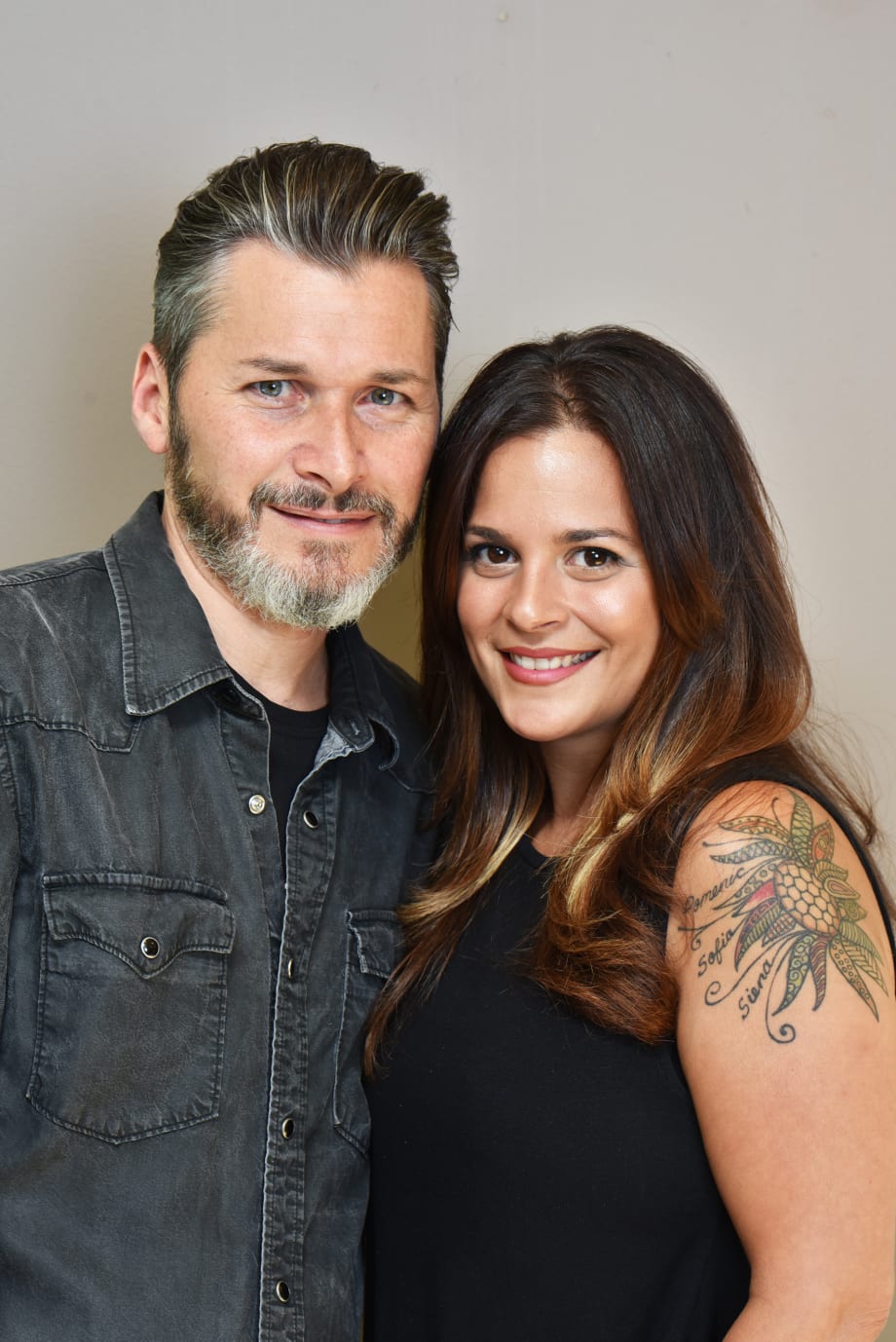
James and Angela Alba, owners of the B-Hive Organic Salon. James also is the founder of The Salon Movement.
4 min to read
In the race for net zero there are lots of terms bandied around with vague references to nature and all-round wholesomeness. It can easily get confusing.
Is ‘clean’ the same thing as green? Is ‘organic’ everything it’s cracked up to be? What exactly is ‘green beauty’?
Ad Loading...
Those labels used correctly can be dynamite in your campaign for both client marketing and attracting new talent. But use them incorrectly, and you risk accusations of greenwashing, no matter if it was intended.
So what exactly do these terms mean?
Clean Beauty
Sadly, in this country we are offered an array of products that might work well but contain ingredients and chemicals that threaten not just our health, but the health of our clients. Clean beauty offers an alternative free from harmful chemicals such as parabens, phthalates, sulfates and synthetic fragrances. I’ll explain later why these are worth avoiding. They may include man-made or non-organic elements. It’s a much better system for those keen to avoid toxic ingredients, with sensitive skin, or immunity issues, and it reduces exposure for those working every day in a beauty salon.
Green Beauty
Green beauty differs from clean beauty by going further than simply excluding harmful or toxic ingredients. It is more of a movement than a label, covering the drive to a less toxic and invasive lifestyle.
Green products will contain no animal ingredients or animal by-products, but it’s much more than vegan. Products marked as vegan can still be full of harmful and benign chemicals. Green beauty products must also be sourced, produced and packaged ethically and sustainably, without negatively affecting the environment. They must be natural. Green beauty can also refer to the tools we use, such as Paper Not Foil, available from Sustain Beauty Co, which helps the beauty industry use less aluminum foil. Made from minerals, they are reusable, and degrade after use.
Ad Loading...
Organic Beauty
Of all the labels, organic beauty is the most specific and easily understood. Every raw ingredient is plant-based, grown biologically, and without any synthetic elements. It must come from an organic farmer. There are numerous certifications available to producers but they can be expensive and onerous, so packaging will often reference the organic origin of the item. We feel investing in certification is worthwhile as it sets us apart from other salons, and so we are a Green America Approved Business and Green Business Certified. Some competitors may claim to be organic and green, we can prove it.
Sustainable beauty considers ingredients and packaging, but also every step of production, packaging and transportation.
Sustainable Beauty
Like green beauty, sustainable beauty considers ingredients and packaging, but it also considers every step of production from how every ingredient and all packaging is sourced and transported and the impact they have during use and after. No sustainable beauty product should impact on the environment, so exfoliators containing microbeads are out because they are causing a marine environment health crisis, as are those made using petroleum jelly or packaged in non-recyclable plastic.
Sustainable beauty will also consider reuse, repurposing and recycling during development, and have a local base to avoid long transportation. At B-Hive we buy local, have a reclaimed barn siding retail area, a reclaimed wood table and tin mirrors. We also use wind-powered energy and LED lighting. All our cleaning supplies and soap are eco-friendly and we use Scrummi sustainable towels, again from Sustain Beauty Co. Our tools are Energy Star Appliances and we even harvest rainwater for our plants and flowers.
What you won’t find in any of the above.
The beauty industry is a dangerous place, teeming with damaging chemicals and hazards to the stylist. Here are the most important to avoid and the reasons why.
Parabens (preservatives) and Phthalates (solvents) are known endocrine disruptors, which affect our immune system. Sulfates can cause sensitivity and reduced lung function; crystalline silica has been linked to cancer, allergies and organ system toxicity, while hydroquinone used in skin lightening products can cause skin cancer and fatal liver and kidney damage. Skin lightening products may also contain mercury, which is poisonous. Adding the last two ingredients to over-the-counter beauty products is banned in Britain and the EU.
Ad Loading...
James Alba is co-owner of B-Hive Organic Salon in Hillsdale, NJ along with his wife Angela, and founder of the Salon Movement, a unified grassroots group of sustainability-conscious stylists and salon owners that focuses on education and business development.
Discover how to create a true “WOW experience” for every client by first building a culture where your team feels engaged, empowered, and inspired. Drawing on Calvin Stovall’s Iconic Framework, this blog explores how salon, spa, and clinic leaders can strengthen culture, elevate customer experience, and build a business that stands out for the long term.
The wellness industry is growing fast, and salons and barbershops already are an important part of it. In her first blog, Tracy Rado shares where the wellness dollars are heading, and how salon's can grow with this movement.
While salon sales are increasing, owners often feel they're working harder for the same or less profit. Leverage Q2 data from The KIM Report, Alain Audet reveals some of the structural changes that are dampening your growth and why your region and your salon size matters.
Weaknesses in your business are amplified during the Holiday Season. Spark Pro Global's Lucy Randall shows you five things to do now to have the strongest holiday season yet.
In Kati Whitledge's latest blog, she shares how salons have moved away from dress codes and embraced appearance standards. But by removing strict dress codes, some businesses may have unintentionally lowered their appearance standards. Whitledge helps you explain to your team why an appearance standard is important and how to smoothly implement a new appearance policy.
The Small Business Health Care Tax Credit is a non-refundable tax credit for for-profit businesses that provides a financial incentive for eligible employers who offer health insurance coverage to their employees. Leticia Skrabut, Esq., walks you through how to claim that credit.
Developing strong work habits early in one's career supports long-term success in the salon industry. Jesse Linares offers new stylists his top five tips.
Most salon owners have no idea what these numbers are.
You can hit record sales and still have a profit problem. The difference comes down to four numbers almost nobody was taught to track.
At Janet St. Paul Studio for Hair and Beauty, Director of Operations Natasha McMillen helps bring her wife Janet St. Paul's vision to life, elevating every system from education to operations.
The strongest salons, spas, and med spas know which numbers tell the real story of their business. In this practical guide, Phorest breaks down the five essential KPIs every business should track to improve retention, boost revenue, and make smarter decisions with confidence.
At Bella Style Salon in Slidell, Louisiana, Director of Operations Angela Meyer tackles inventory, team management, and guest relations. Read all about her in our latest Meet the Manager.
Starting at Impressions front desk in 2006 when he was 19 years old, General Manager Paul Petrowsky is a seasoned professional who owner Sarah Taylor says is responsible for much of her own success.
Planning is in full swing for the most anticipated events and promotions for the 2026 holidays. As owners share their favorite ways to celebrate, they prove that a carefully planned event can also build culture, increase client loyalty, boost sales, and set a business up for a successful 2027.
When things run amok at Mane Attraction Salon, Owners Chris and Jenny Knudsen say General Manager Sami Hernandez is their go-to resource and ultimate sounding board. Meet Sami in this installment of Meet the Manager.