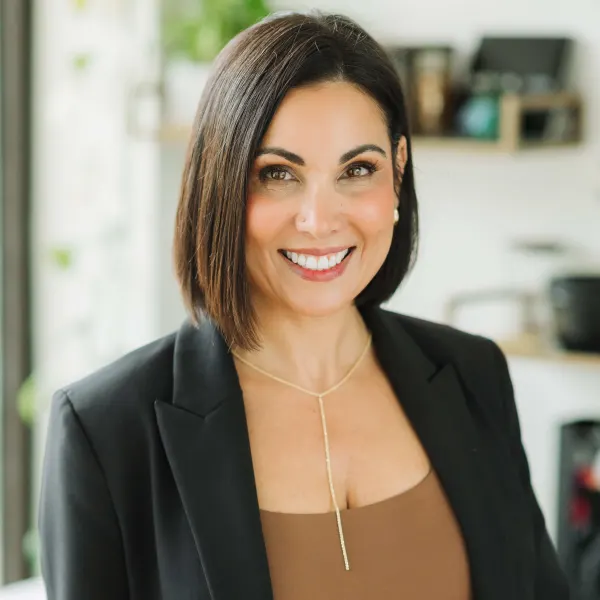
For Alopecia Areata Awareness Month, SALON TODAY spoke with Hair Essentials Paulina Nelega, a registered clinical herbalist, who counsels clients about Alopecia.
Paulina Nelega is a registered clinical herbalist with Hair Essentials.
September is National Alopecia Areata Awareness Month, so it's the perfect time to look at this condition, why it happens and how you can help clients who are impacted. Paulina Nelega, a registered clinical herbalist with Hair Essentials recently addressed SALON TODAY's questions about Alopecia.
SALON TODAY: What is Alocpecia?
Ad Loading...
Alopecia is a general term that means loss of hair from areas of the body where it normally grows. When alopecia occurs on the scalp, it may be a result of:
Androgenic alopecia. This is the most common type of hair loss in both men and women, and is a result of the hormone dihydrotestosterone (DHT). It is also known as androgenetic alopecia, hereditary hair loss, or female/male pattern hair loss, and is very common in women after menopause. In fact, according to the American Academy of Dermatology, by the time a woman reaches 40 years old, 40 percent will experience hair loss - and this number increases with each passing decade.
Telogen effluvium. According to the American Hair Loss Association, alopecia areata is probably the second most common form of hair loss. This type of hair loss occurs when a higher-than-usual number of hairs enter the resting (telogen) phase, which then results in dramatic shedding when those follicles cycle back into the anagen phase again. This may occur a few weeks or months after a stressful event such as major surgery, drastic weight loss, infection or high fever, certain medications, physical trauma or emotional causes, or major hormonal fluctuations such as after giving birth. The body attempts to conserve energy for what it considers vital, life-preserving functions, by diverting energy away from the demands of less important functions, such as hair growth. The good news is that this type of hair loss will usually grow back normally over the course of the next few months.
Alopecia areata. This is an autoimmune condition where our body’s immune system no longer recognizes its own tissues as ‘self,’ but sees them as foreign and mounts an immune response against them. In alopecia areata, there is a proliferation of immune-fighting cells that invade the hair follicles and create inflammation and damage to the follicles. This leads to round, coin-shaped patches of hair loss on the scalp. Hair loss can also occur on other parts of the body.
Nutritional deficiencies, notably iron. Iron-deficiency anemia is the most common nutritional deficiency, and is especially prevalent amongst women with heavy monthly flow, fibroids (which can cause heavy bleeding), and those following a vegetarian/vegan diet.
Alopecia can also occur with:
Ad Loading...
· Thyroid dysfunction
· Immune system disturbances
· Hormonal imbalances such as PCOS
· Stress
· Infections of the scalp
Ad Loading...
· Certain medications including birth control pills, diabetes and high bloodpressure medications, other meds
· Traction alopecia or hairstyling practices that put stress upon the follicles, such as extensions Trichotillomania - compulsive hair-pulling
ST: How do I recognize the symptoms of alopecia in a client?
Nelega: Alopecia areata, which is an autoimmune condition, will typically appear as round, coin-shaped patches of hair loss. Sometimes fungal infections of the scalp can also cause round patches of hair loss, though, so getting a proper diagnosis is important. Some of the first symptoms of androgenic alopecia in women are a widening part, diffuse thinning over the entire head making the scalp more visible through the hair, increased shedding accompanied by slower hair growth, and growth of hair that is finer and thinner than it used to be.
ST: How should a stylist address and counsel a client who has alopecia issues?
Ad Loading...
Nelega: Stylists are in a unique position to provide meaningful feedback to their client about the health of their hair, which can be an important indicator of underlying health concerns. If your client has started styling their hair differently in an attempt to cover up the scalp showing through, begun wearing a head-wrap or hat, or if you notice that your client’s hair is changing over the course of your relationship—be it texture, thickness, strength, shedding—you might gently inquire whether they’ve noticed any changes themselves, such as more hair loss when showering or brushing their hair, or if their hair is becoming more difficult to style.
ST: What kind of professional should a stylist direct a client to?
Nelega: If your client is experiencing alopecia, the first step is to suggest they visit their doctor or dermatologist to ensure an accurate diagnosis and that any underlying health conditions (if present) are addressed.
ST: What are some things a client can do to help with alopecia?
Nelega: In addition to suggesting they seek medical guidance, you can encourage your client to maintain a healthy diet that provides plenty of fresh fruits and vegetables (for an abundant supply of protective antioxidants and other hair-healthy phytonutrients), healthy fats and oils to reduce inflammation and regulate sebum production, high-quality protein for amino acids needed to grow strong hair, and to stay adequately hydrated. Suggesting an all-natural dietary supplement formulated specifically for healthy hair growth, such as Hair Essentials, can be very beneficial for your client as well.
Ad Loading...
ST: What kinds of things happen during Alopecia Areata Awareness Month?
Nelega: September is National Alopecia Areata Awareness Month – to learn more about this autoimmune skin condition that causes hair loss, as well as events being held to increase awareness, I recommend to visit www.naaf.org. I’ve also found the American Hair Loss Association, www.americanhairloss.org, as well as the American Academy of Dermatology, www.aad.org, to be great resources.
Paulina Nelega is a registered clinical herbalist for Hair Essentials and has been assisting individuals facing hair loss for nearly two decades. Hair Essentials is a 100% drug-free, certified gluten-free, proprietary blend of more than 20 herbs, vitamins, minerals, essential fatty acids, amino acids and other nutrients. Hair Essentials can be purchased online atwww.HairEssentials.com or by calling 800-536-9353.
Discover how to create a true “WOW experience” for every client by first building a culture where your team feels engaged, empowered, and inspired. Drawing on Calvin Stovall’s Iconic Framework, this blog explores how salon, spa, and clinic leaders can strengthen culture, elevate customer experience, and build a business that stands out for the long term.
The wellness industry is growing fast, and salons and barbershops already are an important part of it. In her first blog, Tracy Rado shares where the wellness dollars are heading, and how salon's can grow with this movement.
While salon sales are increasing, owners often feel they're working harder for the same or less profit. Leverage Q2 data from The KIM Report, Alain Audet reveals some of the structural changes that are dampening your growth and why your region and your salon size matters.
Weaknesses in your business are amplified during the Holiday Season. Spark Pro Global's Lucy Randall shows you five things to do now to have the strongest holiday season yet.
In Kati Whitledge's latest blog, she shares how salons have moved away from dress codes and embraced appearance standards. But by removing strict dress codes, some businesses may have unintentionally lowered their appearance standards. Whitledge helps you explain to your team why an appearance standard is important and how to smoothly implement a new appearance policy.
The Small Business Health Care Tax Credit is a non-refundable tax credit for for-profit businesses that provides a financial incentive for eligible employers who offer health insurance coverage to their employees. Leticia Skrabut, Esq., walks you through how to claim that credit.
Developing strong work habits early in one's career supports long-term success in the salon industry. Jesse Linares offers new stylists his top five tips.
Most salon owners have no idea what these numbers are.
You can hit record sales and still have a profit problem. The difference comes down to four numbers almost nobody was taught to track.
At Janet St. Paul Studio for Hair and Beauty, Director of Operations Natasha McMillen helps bring her wife Janet St. Paul's vision to life, elevating every system from education to operations.
The strongest salons, spas, and med spas know which numbers tell the real story of their business. In this practical guide, Phorest breaks down the five essential KPIs every business should track to improve retention, boost revenue, and make smarter decisions with confidence.
At Bella Style Salon in Slidell, Louisiana, Director of Operations Angela Meyer tackles inventory, team management, and guest relations. Read all about her in our latest Meet the Manager.
Starting at Impressions front desk in 2006 when he was 19 years old, General Manager Paul Petrowsky is a seasoned professional who owner Sarah Taylor says is responsible for much of her own success.
Planning is in full swing for the most anticipated events and promotions for the 2026 holidays. As owners share their favorite ways to celebrate, they prove that a carefully planned event can also build culture, increase client loyalty, boost sales, and set a business up for a successful 2027.
When things run amok at Mane Attraction Salon, Owners Chris and Jenny Knudsen say General Manager Sami Hernandez is their go-to resource and ultimate sounding board. Meet Sami in this installment of Meet the Manager.