Tips for Strengthening Your Sanitation Practices During the COVID-19 Outbreak
While salons are starting to see cancellations from cautious guests avoiding public places during the corona virus crisis, it's more important that ever to be extra vigilant about sanitation practices, while communicating to your clients the safety steps you're taking. SALON TODAY recently tapped Tamara Johnson Shealey, a beauty licensing and public health advocate, who shares some sage advice.
As the concern about corona virus, or COVID-19 continues to concern the public, it's the perfect time for salon owners to review and enforce basic santitation practices to keep their team and their clientele safe.
5 min to read
At Atelier Salon and Atelier Studio in San Jose, California, client cancellations are trickling in as Silicon Valley tech companies urge their employees to work from home and avoid unnecessary appointments because of fear of contracting corona virus or COVID-19. But owner Karie Bennett is viewing it as an opportunity to inform guests of how the salon is enforcing sanitation practices to keep both guests and team members safe.
“We are using a virucidal cleaning spray on all surfaces, including stylist chairs and frequently touched surfaces, and our assistants are wearing gloves and visibly sanitizing their hands before performing hand treatments,” she says. “I sent out an email to our customers with information on what we’re doing and we are hearing lots of positive feedback and gratitude from customers saying it makes them feel more comfortable.”
Ad Loading...
Bennett even went to the extra step of renting a hospital-grade air filtration system with three hepa filters that draws air in and pushes out clean air. “My brother-in-law works for a biomedical company that manufacturers them and was able to rent me one for $150 a month,” she says. “I think the situation with the Corona virus is going to get worse before it gets better, and I believe showing clients the extra steps we’re taking to ensure their saftey will be a big point of differentiation for us.”
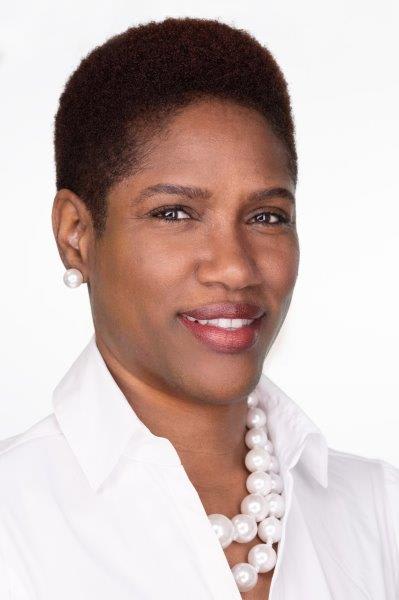
Tamara Johnson Shealey, founder and president of The Concerned Beauty and Barber Professionals and founder and senior advocate for Politics Beauty and Barber.
As salon pros double down on sanitation practices, SALON TODAY reached out to Tamara Johnson Shealey, the founder and president of The Concerned Beauty and Barber Professionals, an organization started to address the need to protect the health and safety of licensed beauty and barber professionals and the clients they serve, for some practical advice on the steps salons should take in light of the viral outbreak. Johnson also is the founder and Senior Advocate of Politics Beauty and Barber, an organization that strengthens the professional license of the beauty and barber industry and encourages professionals to engage in the political process. While Shealey pursues a law degree from Emory University, she also completed and internship with the Centers for Disease Control and Prevention, also known as the CDC.
SALON TODAY: As you communicate with beauty and barber professionals through your organizations, how are they feeling about the corona virus outbreak?
Shealey: “Personally from what I understand about this virus so far, the flu is more of a threat to me than COVID-19, but it is a situation that is changing daily and we need to monitor it closely. I’ve reached out through social media to gauge the panic and anxiety of beauty and barber professionals, but the majority of them are not really afraid. As licensed professionals, they are trained on sanitation practices, which they practice daily, and that’s our norm as beauty professionals. What they are afraid of is missing work and incoming revenue because of canceled appointments.”
SALON TODAY: Speaking of sanitation practices, can you run through these with us and talk about how these might need to be enforced or strengthened in light of COVID-19?
Ad Loading...
Shealey: “Again, it’s a great time for salon owners to review basic sanitation practices with their team members, but here’s some things to consider:
Make it a practice to wash your hands before and after every client.
Cover your mouth and nose with a tissue when you cough or sneeze.
Don’t touch your face during a client’s service before washing your hands.
Wipe down surfaces with a spray or a wipe that kills viruses between clients, including the station and the chair.
Put away personal items that you might leave on the station, such as a water bottle or purse.
Owners should set up a schedule to have staff routinely wipe down commonly touched surfaces, including bathroom counters, bathroom doorknobs, the front desk and the credit card processing machine. Ideally, it would be great to do this between every client, but even a schedule where this is done on 30-minute intervals would go far.
Stylists, barbers, estheticians and nail techs also can consider wearing gloves—although not a requirement, it’s also not a bad idea under the present circumstances.
If the salon has a client event like an education night or an open house on the calendar in the coming weeks, consider rescheduling it.
Have large bottles of hand sanitizer in sight and encourage guests and team members to use it.”
SALON TODAY: Are you recommending that beauty and barber professionals use masks at this time?
Shealey: “I don’t think we're at the point that healthy beauty and barber professionals need to wear masks, but this is a situation that is constantly developing as we’re continuing to learn more about this virus. I always see how the CDC is handling this crisis, and I follow their lead, because they are the experts.”
SALON TODAY: How can owners communicate about the practices they are putting into place to clients, and why is this important?
Ad Loading...
Shealey: “I recommended putting up signage that states the steps you are putting into place. Post it on your social media sites, on your website and send an email to your clientele. Encourage guests and staff members who feel sick to stay home. If you charge a fee for missed appointments, consider waiving that practice when clients call in due to illness. But just letting clients see you are taking these steps while they are in the salon gives them a sense of security and that’s a selling point.”
SALON TODAY: Where do you recommend readers for more information?
Shealey: “I constantly check the updates on the CDC’s website (www.cdc.gov) and I recommend it for anyone.”
Discover how to create a true “WOW experience” for every client by first building a culture where your team feels engaged, empowered, and inspired. Drawing on Calvin Stovall’s Iconic Framework, this blog explores how salon, spa, and clinic leaders can strengthen culture, elevate customer experience, and build a business that stands out for the long term.
The wellness industry is growing fast, and salons and barbershops already are an important part of it. In her first blog, Tracy Rado shares where the wellness dollars are heading, and how salon's can grow with this movement.
While salon sales are increasing, owners often feel they're working harder for the same or less profit. Leverage Q2 data from The KIM Report, Alain Audet reveals some of the structural changes that are dampening your growth and why your region and your salon size matters.
Weaknesses in your business are amplified during the Holiday Season. Spark Pro Global's Lucy Randall shows you five things to do now to have the strongest holiday season yet.
In Kati Whitledge's latest blog, she shares how salons have moved away from dress codes and embraced appearance standards. But by removing strict dress codes, some businesses may have unintentionally lowered their appearance standards. Whitledge helps you explain to your team why an appearance standard is important and how to smoothly implement a new appearance policy.
The Small Business Health Care Tax Credit is a non-refundable tax credit for for-profit businesses that provides a financial incentive for eligible employers who offer health insurance coverage to their employees. Leticia Skrabut, Esq., walks you through how to claim that credit.
Developing strong work habits early in one's career supports long-term success in the salon industry. Jesse Linares offers new stylists his top five tips.
Most salon owners have no idea what these numbers are.
You can hit record sales and still have a profit problem. The difference comes down to four numbers almost nobody was taught to track.
At Janet St. Paul Studio for Hair and Beauty, Director of Operations Natasha McMillen helps bring her wife Janet St. Paul's vision to life, elevating every system from education to operations.
The strongest salons, spas, and med spas know which numbers tell the real story of their business. In this practical guide, Phorest breaks down the five essential KPIs every business should track to improve retention, boost revenue, and make smarter decisions with confidence.
At Bella Style Salon in Slidell, Louisiana, Director of Operations Angela Meyer tackles inventory, team management, and guest relations. Read all about her in our latest Meet the Manager.
Starting at Impressions front desk in 2006 when he was 19 years old, General Manager Paul Petrowsky is a seasoned professional who owner Sarah Taylor says is responsible for much of her own success.
Planning is in full swing for the most anticipated events and promotions for the 2026 holidays. As owners share their favorite ways to celebrate, they prove that a carefully planned event can also build culture, increase client loyalty, boost sales, and set a business up for a successful 2027.
When things run amok at Mane Attraction Salon, Owners Chris and Jenny Knudsen say General Manager Sami Hernandez is their go-to resource and ultimate sounding board. Meet Sami in this installment of Meet the Manager.