Thoughts from a Curly Girl on the NY Textured Hair Bill
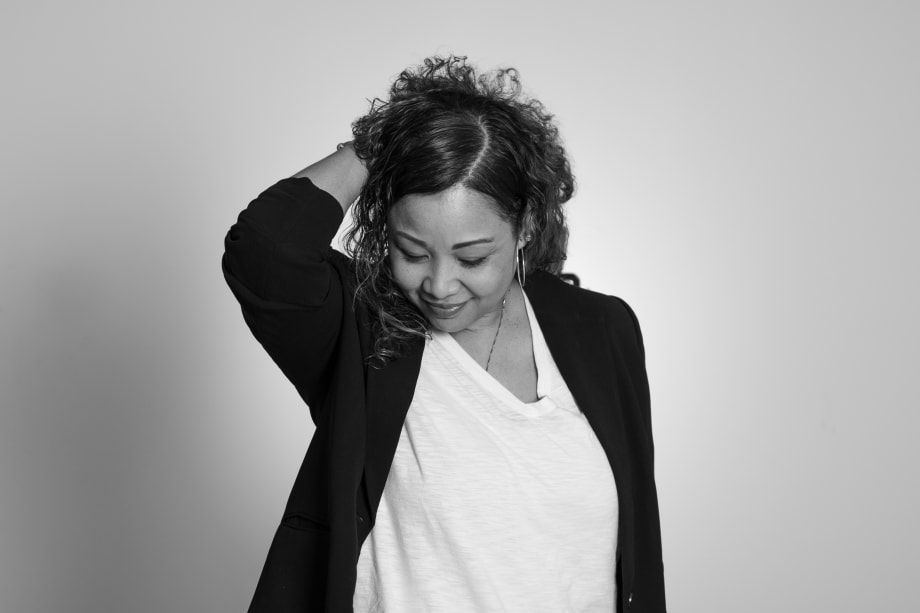
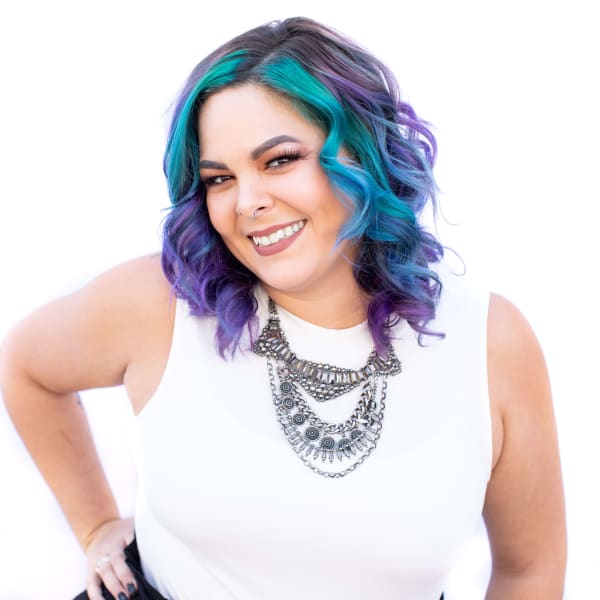
As New York passes legislation than evens the educational playing field for textured hair, Vagaro's VP of Marketing Charity Hudnall shares her personal story and her opinion on how things might change.
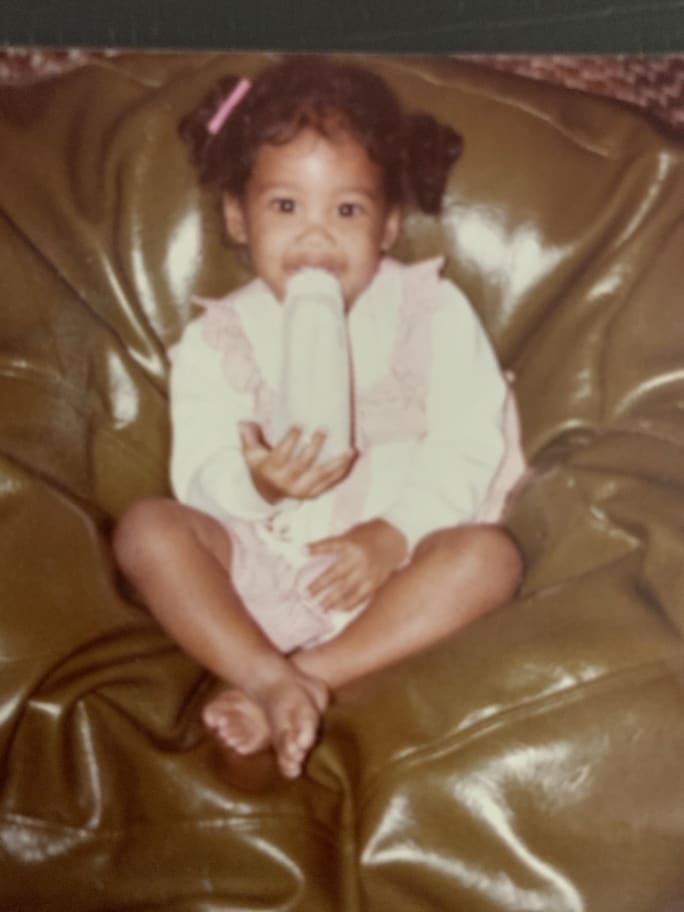
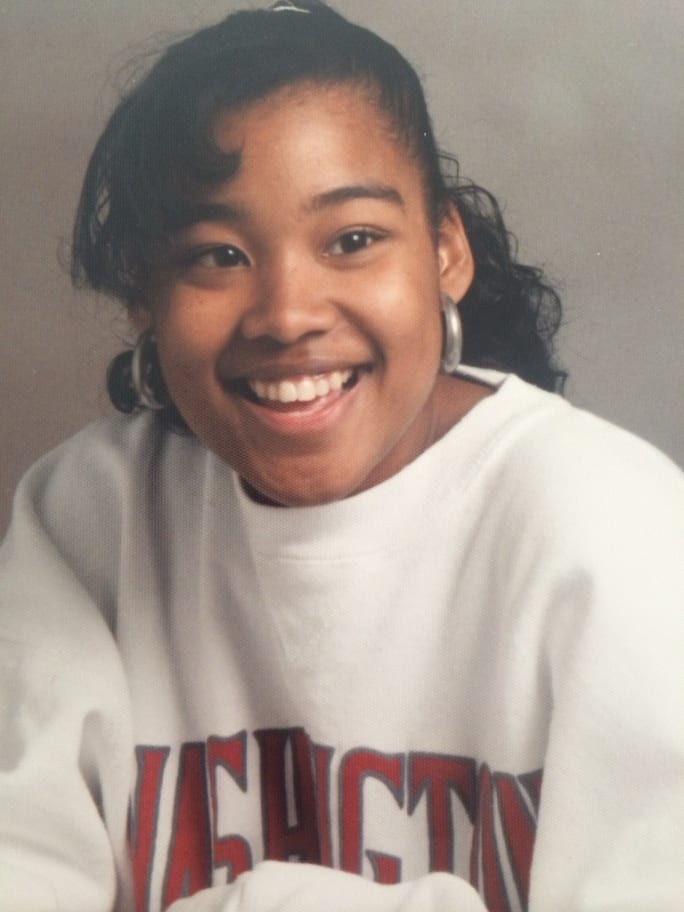
Growing up with my naturally textured hair was a reminder of my uniqueness. When you are a young child, you don’t think much about it. But, as you get older, it seems that society teaches you to see yourself—and those around you—differently. Beauty brands have come a long way since then. Women like me weren’t always seen in ads, commercials or magazines.
Ad Loading...
But, just as women with anything but long, straight and silky hair weren’t conveniently advertised as beautiful, access to services for my naturally curly hair were also not conveniently found.
I find Vagaro’s recent survey about textured hair both insightful and exciting. It caught my attention because, on the surface in the United States, we can seem to be so progressive and accepting of all people, no matter their nationality, color, size or shape. But if you take anything more than a cursory glance, it’s clear to see there is still a lot of work to be done around the topic. That’s why the initiative behind the new bill to level the educational playing field in an industry that plays such a huge part in self-care and how we define beauty is, well, exciting. It feels like we’re continuing to take small steps forward to change the narrative and societal standards.
Each improvement and every win absolutely matters.
The bassing of bills like S6528A indicate progress in the industry, but it’s crucial for that momentum to continue in the right direction to make the salon, spa and beauty world not only diverse, but truly inclusive—especially for Black customers who seek self-care and beauty services and who have been historically overlooked.
But what does that mean for salon than currently specialize in textured hair? Does this take away a niche market? My guess is no. The African American beauty salon, as an institution, is not just a place where you can get the services you need; it is also an experience. African American barbershops are the same way. They’re more than just a business where you can get a service done. For many African Americans, these shops represent community, camaraderie and the preservation of a proud and shared culture, where we can talk about issues and experiences that are unique to us. There’s an entire history behind them.
Ad Loading...
But as America continues to blend in nationalities and cultures, some will purely identify with a blended experience. I am a mixed-race woman, and growing up, there weren’t many of us. Now, however, mixed race people not only are everywhere you look, but we also represent a wide array of beauty. Among people of color, there exists a multitude of different hair textures, some more wavy and some more curly. So now that it seems more states will start to implement similar textured hair policies for beauty education, there will be more opportunities for every single one of us.
And, that’s exactly why I don’t view this as an either/or situation. It’s a step toward an ideal circumstance where our community simply has more choice. It means more freedom when deciding where to go for a self-care day—like those who may not have natural, textured hair—who can already walk into essentially any hair salon and be able to get pampered.
Ideally, it will mean that gone are the days for people like myself and my loved ones who may not feel like they belong, who may have been ‘othered,’ or even turned away from certain hair salons. Personally, if I’m having a bad hair day and need a quick fix, it will be nice to have the choice to head to the nearest shop with the soonest appointment, regardless of my race. Or, if I want to share a more holistic experience with members of my community, I can still choose to specifically visit an African-American owned salon and do just that.
While this is a great step toward progress, in my opinion, it’s an even greater step toward inclusivity and the luxury of choice.
Discover how to create a true “WOW experience” for every client by first building a culture where your team feels engaged, empowered, and inspired. Drawing on Calvin Stovall’s Iconic Framework, this blog explores how salon, spa, and clinic leaders can strengthen culture, elevate customer experience, and build a business that stands out for the long term.
The wellness industry is growing fast, and salons and barbershops already are an important part of it. In her first blog, Tracy Rado shares where the wellness dollars are heading, and how salon's can grow with this movement.
While salon sales are increasing, owners often feel they're working harder for the same or less profit. Leverage Q2 data from The KIM Report, Alain Audet reveals some of the structural changes that are dampening your growth and why your region and your salon size matters.
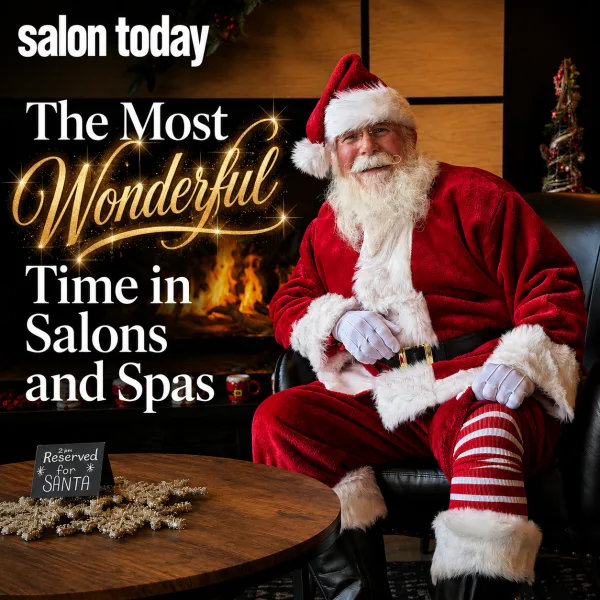
Weaknesses in your business are amplified during the Holiday Season. Spark Pro Global's Lucy Randall shows you five things to do now to have the strongest holiday season yet.
In Kati Whitledge's latest blog, she shares how salons have moved away from dress codes and embraced appearance standards. But by removing strict dress codes, some businesses may have unintentionally lowered their appearance standards. Whitledge helps you explain to your team why an appearance standard is important and how to smoothly implement a new appearance policy.
The Small Business Health Care Tax Credit is a non-refundable tax credit for for-profit businesses that provides a financial incentive for eligible employers who offer health insurance coverage to their employees. Leticia Skrabut, Esq., walks you through how to claim that credit.
Developing strong work habits early in one's career supports long-term success in the salon industry. Jesse Linares offers new stylists his top five tips.
Most salon owners have no idea what these numbers are.
You can hit record sales and still have a profit problem. The difference comes down to four numbers almost nobody was taught to track.
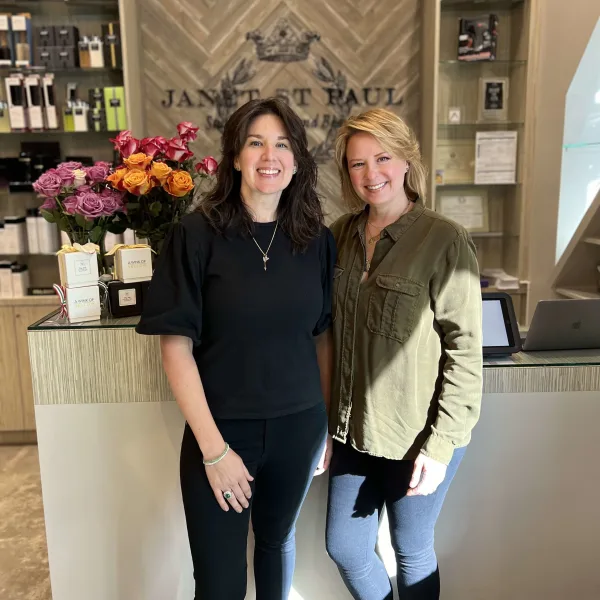
At Janet St. Paul Studio for Hair and Beauty, Director of Operations Natasha McMillen helps bring her wife Janet St. Paul's vision to life, elevating every system from education to operations.
The strongest salons, spas, and med spas know which numbers tell the real story of their business. In this practical guide, Phorest breaks down the five essential KPIs every business should track to improve retention, boost revenue, and make smarter decisions with confidence.
At Bella Style Salon in Slidell, Louisiana, Director of Operations Angela Meyer tackles inventory, team management, and guest relations. Read all about her in our latest Meet the Manager.
Starting at Impressions front desk in 2006 when he was 19 years old, General Manager Paul Petrowsky is a seasoned professional who owner Sarah Taylor says is responsible for much of her own success.
Planning is in full swing for the most anticipated events and promotions for the 2026 holidays. As owners share their favorite ways to celebrate, they prove that a carefully planned event can also build culture, increase client loyalty, boost sales, and set a business up for a successful 2027.
When things run amok at Mane Attraction Salon, Owners Chris and Jenny Knudsen say General Manager Sami Hernandez is their go-to resource and ultimate sounding board. Meet Sami in this installment of Meet the Manager.