








You Don't Own a Salon. You Own A Business.
In his latest blog, Leon Alexander Ph.D., challenges industry conventional thinking to help owners add more to their bottom lines.
 MENU
MENU SEARCH
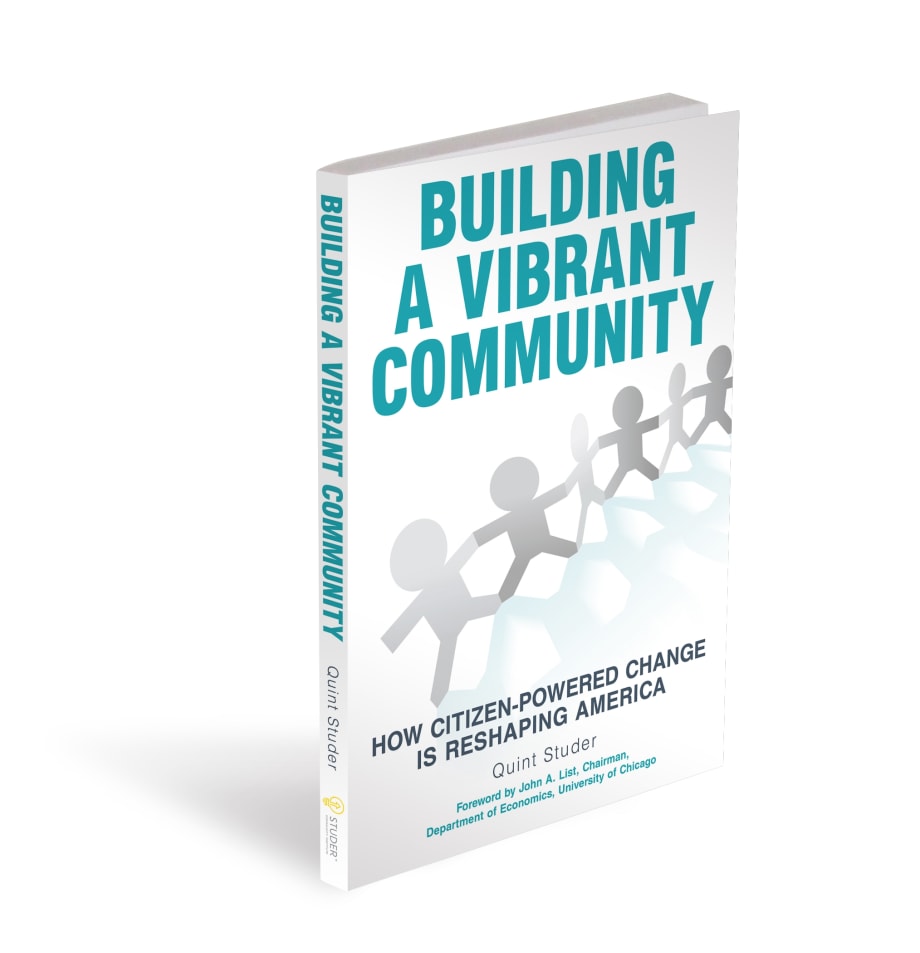
When it comes to building a strong community, salon owners are frequently on the front line--joining the Better Business Bureau, networking with other businesses and participating in community philanthropic programs. Quint Studer's new book outlines 14 strategies for building a stronger community.
America's small towns are doing really big things. They're bypassing traditional methods and finding innovative ways to revitalize. And by and large, they're doing so under the radar of the national media.
According to Quint Studer—a revitalization expert who works on the gritty economic frontlines of this movement—one of the most crucial hidden truths about the community comeback is who's driving it: civic-minded entrepreneurs (like salon owners) and private citizens of every stripe.
"We the people have decided revitalization is our job," notes Studer, author of Building a Vibrant Community: How Citizen-Powered Change Is Reshaping America (Be the Bulb Publishing, 2018, ISBN: 978-0-9981311-1-5, $24.95) and founder of Pensacola, Florida's Studer Community Institute. "We're taking matters into our own hands. We're asking, How can we make our community the best it can be? How can we reinvent ourselves, attract the right kinds of business, and transform into a great place to work, live, and play?"
This mindset has kicked in everywhere: big cities, small towns, communities of every shape and size. No wonder. The chaos and uncertainty of the past few decades have made us crave personal connections with our friends and family. We want our children and grandchildren nearby (with good jobs to keep them there). And we want lively downtowns with great restaurants, funky stores, cool living spaces, and plenty of fun things to do.
Even deeply struggling communities can turn themselves around, says Studer. It won't happen overnight. But when leaders take a strategic, intentional approach—and when they use tactics that are proven to work and when they stick with it over the long haul—it will happen.
Pensacola, Florida, is a case in point. More than a decade ago, when its revitalization process began, it was feeling the aftermath of several decades of economic decline. There was a huge talent drain, and young people left for better opportunities. Downtown was dotted with many vacant buildings.
Today, much has changed. Downtown is thriving. New businesses are popping up everywhere. More downtown construction is taking place than at any time in modern history. There's a new baseball stadium on the waterfront, and since 2012, the Double-A team the Blue Wahoos have drawn more than 300,000 fans per year to Pensacola. The city is winning awards and showing up in national magazines.
Best of all, property values are soaring: In the past five years, the Community Redevelopment Agency (CRA) went from an assessed property value of $675 million to $850 million, which equates to 25.9 percent growth. Finally, there are projects worth $100 million being built right now that don't even count toward this total.
Pensacola is hardly alone. Similar stories are being played out everywhere. Studer identifies a few strategies community leaders are embracing as they work to create vibrancy:
They're tying their plans to economic growth. There's just no other path for long-term job creation and a strong, sustainable tax base. It's important for a community to know where its revenue comes from and, more importantly, know what isn't generating revenue. For example, don't build a beautiful bike path unless you are confident that it's part of a plan that will ultimately spark economic growth.
They're changing the conversation on who drives revitalization. It's important to get citizens engaged in change. They (not government) have to lead the way. Leaders are getting people talking about and looking at the community in a new way. How can we develop and sustain communities that serve all of us and satisfy our human desire to be connected, all without putting unfair liabilities on future generations?
They're getting smart about the psychology of change. It's only human to resist change, even when we know we need it. Someone is going to object to even the best-laid, most well-thought-out plans. That's why leaders go into change initiatives expecting barriers and crafting plans to deal with them. "The whole community will never get behind anything, so don't waste energy on trying to convince the unconvinceable," advises Studer.
They're connecting change initiatives to what citizens care about most. For example, Studer says it's important not just to throw data at people, but rather to find a "burning platform" that speaks to their emotions.
"People make decisions with their hearts, not minds," he says. "You have to connect to something they care about. In Pensacola our burning platform was: What can we do to keep our children and grandchildren from leaving town? Once we framed the issues that way, we were able to get momentum behind the change."
They're using community dashboards to keep critical metrics front and center. Just like a company, a community needs objective metrics to know how healthy they are, to identify areas that need improvement, and to gauge progress over time. They need to see all of them together and updated regularly. Think of how the dashboard of a car shows gas, oil, engine performance, temperature, and so forth. It's a way to constantly be asking, How is our community doing on areas that are important to us? Wages? Crime? Education? High school dropout rate?
They're rebuilding their downtowns. To attract businesses and talent to a community, it must have a walkable, livable, vibrant downtown with lots of great restaurants, shops, fun activities, and trendy residential areas. Young people, in particular, want to live, work, and play in the same area. When you start by revitalizing your downtown, it gets people activated and sparks growth in the rest of the community. (NOTE: See attached tipsheet.)
They're making education a priority. A strong education system creates a strong talent base and appeals to investors. That's why leaders are doing everything they can to improve theirs.
"In 2014 Pensacola had a 66 percent graduation rate and also a 66 percent kindergarten readiness rate," says Studer. "We connected the dots and realized if we focused on early brain development, we could impact graduation rates long-term. So we started a pilot program with local hospitals to work with new mothers. Now we are on track to become America's first Early Learning City.TM"
They're keeping inclusion top of mind. This improves buy-in and gets everyone engaged, which is necessary to create vibrancy. Smart leaders make sure people of all races, genders, sexual orientations, ages, and economic levels are part of the decision-making process and that minorities get a piece of the economic action. Pensacola used a Covenant for the Community to guarantee that contractors would use local minorities in the revitalization of downtown.
"Get creative in your efforts to incubate minority-owned small businesses," says Studer. "For instance, you can provide affordable office space, create leases that move up and down based on revenue, and offer business coaching."
They're getting aggressive about attracting investors. Local, organic investment is great. Leaders do everything they can to find, engage, and attract investors who already live in or have ties to the community. But they also know they need to attract external investors. This is both a science and an art. The "science" part is the dashboard, because it gives investors the metrics they need to know. The "art" part is the compelling story you build around that data: Does your community have a high graduation rate? Are there a lot of Millennials? Is the cost of living affordable? Focus on these selling points.
They're managing incentives more thoughtfully. Incentives to attract big businesses tend to be overused. Sometimes they're a good idea. Sometimes they're not. Studer says it's crucial for leaders to carefully evaluate these deals before deciding, handle them with transparency and fairness, and insist on clearly defined success metrics. And remember: The best strategy is to create such a dynamic, business-friendly community that incentives won't be necessary. Businesses will want to come anyway.
They're partnering with government the right way. More and more, leaders are realizing they shouldn't depend on local government to drive growth. They likely don't have the budget, nor are elected officials likely to be around to see long-term development projects through. Private investment must lead the way. Government is a wonderful partner and wants the same outcomes citizens do. Elected officials can focus on keeping the community clean and safe, being consistent and fair with guidelines and zoning rules, and enforcing codes.
They're going to extraordinary lengths to engage citizens. The more successful leaders are at doing this, the more engaged the community becomes, and the more likely it is to meet its goals. His advice to leaders is to seek citizen feedback on everything. Communicate relentlessly. Connect back to the why behind what you're doing and how it affects them. Once citizens are galvanized, they will turn out, take action, make their voices heard, and applaud leaders for making the community better.
They're galvanizing their small business communities in ways that go beyond "business-friendliness." Community leaders are starting to realize it's not just about starting businesses, but about keeping them growing. Entrepreneurs rarely start out with a strong grasp of basic business skills. This is why Pensacola holds monthly training and development workshops, small business "roundtables," and even an annual business conference (EntreCon).
"Once you galvanize the army of citizens who are business owners, they'll be your catalysts for change and your sustainers," says Studer. "They'll keep your growth on track."
They're leveraging small successes to keep the momentum going. Great leaders never declare victory. The work of creating a vibrant community is never done. Use each success to grow more enthusiasm and grow the project base. Once you start having success, everyone starts feeling good about the community, and it becomes easy to keep the less successful projects from bringing down momentum. Community pride has a huge multiplier effect.
"Creating a vibrant community is a journey," says Studer. "It's not easy. But once you can get some wins under your belt, and get citizens behind you, you'll start to see what is possible. That's when the magic happens. When individuals come together with a common goal, it creates a synergy that's unstoppable. This is how we'll change America for the better—one community at a time."
About the Author: Quint Studer is author of Building a Vibrant Community and founder of Pensacola's Studer Community Institute, a nonprofit organization focused on improving the community's quality of life and moving Escambia and Santa Rosa counties forward. He is a businessman, a visionary, an entrepreneur, and a mentor to many. He currently serves as the Entrepreneur-in-Residence at the University of West Florida. For more information, visit www.vibrantcommunityblueprint.com and www.studeri.org.
About the Book:Building a Vibrant Community: How Citizen-Powered Change Is Reshaping America (Be the Bulb Publishing, 2018, ISBN: 978-0-9981311-1-5, $24.95) is available at Amazon.com.
In his latest blog, Leon Alexander Ph.D., challenges industry conventional thinking to help owners add more to their bottom lines.
In her latest blog, Amy Pal helps you develop your own clear guidelines around complimentary free employee services.
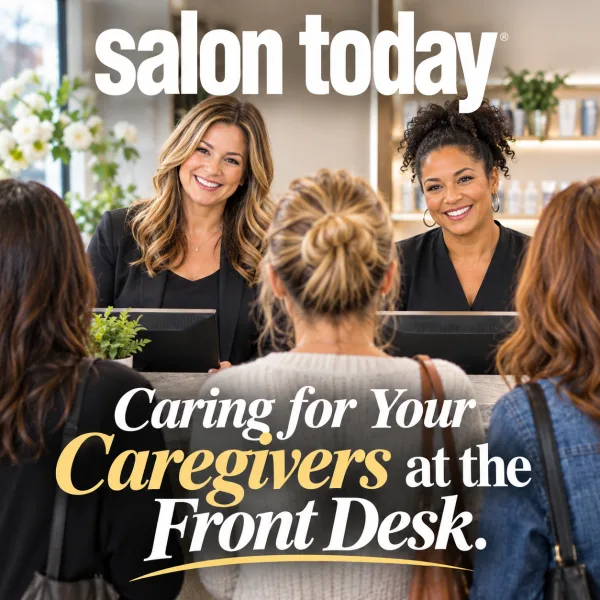
From managing air traffic on busy days to handling frustrated guests' complaints, your front desk team often serves as the salon's emotional shock absorber. From a customer service lesson from the DMV to a list of strategies for caring for your front line, our experts offer ideas for alleviating stress, celebrating wins, and setting goals.

According to the KIM Report, top-line salon revenue appears steady or slightly up, but that growth is driven primarily by service price increases. Beneath the surface, retail performance and client visit frequency (appointment drift) are under real pressure. In his latest blog, Alain Audet offers strategies for keeping your salon's retail sales strong.

Putting your family to work in the salon offers some real tax benefits, but you have you have to play by the rules of the tax code to claim them. Azarvand Tax Law's Leticia Skrabut, Esq., shows you how.

Discover how to create a true “WOW experience” for every client by first building a culture where your team feels engaged, empowered, and inspired. Drawing on Calvin Stovall’s Iconic Framework, this blog explores how salon, spa, and clinic leaders can strengthen culture, elevate customer experience, and build a business that stands out for the long term.
Sponsored by Phorest Salon Software

The wellness industry is growing fast, and salons and barbershops already are an important part of it. In her first blog, Tracy Rado shares where the wellness dollars are heading, and how salons can grow with this movement.

While salon sales are increasing, owners often feel they're working harder for the same or less profit. Leverage Q2 data from The KIM Report, Alain Audet reveals some of the structural changes that are dampening your growth and why your region and your salon size matters.
Weaknesses in your business are amplified during the Holiday Season. Spark Pro Global's Lucy Randall shows you five things to do now to have the strongest holiday season yet.

In Kati Whitledge's latest blog, she shares how salons have moved away from dress codes and embraced appearance standards. But by removing strict dress codes, some businesses may have unintentionally lowered their appearance standards. Whitledge helps you explain to your team why an appearance standard is important and how to smoothly implement a new appearance policy.

The Small Business Health Care Tax Credit is a non-refundable tax credit for for-profit businesses that provides a financial incentive for eligible employers who offer health insurance coverage to their employees. Leticia Skrabut, Esq., walks you through how to claim that credit.

Developing strong work habits early in one's career supports long-term success in the salon industry. Jesse Linares offers new stylists his top five tips.

Most salon owners have no idea what these numbers are. You can hit record sales and still have a profit problem. The difference comes down to four numbers almost nobody was taught to track.
Sponsored by Strata Salon Systems™

A five-area audit every owner-dependent salon needs to run. You built something that looks successful. Now find out if it can survive without you.
Sponsored by Strata Salon Systems™

Every month you put off fixing the problem, it gets bigger, more expensive, and harder to solve.
Sponsored by Strata Salon Systems™
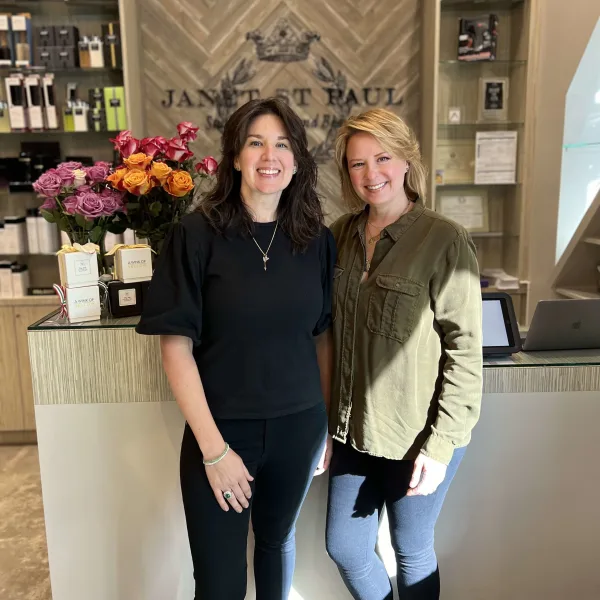
At Janet St. Paul Studio for Hair and Beauty, Director of Operations Natasha McMillen helps bring her wife Janet St. Paul's vision to life, elevating every system from education to operations.

Expand your color service menu with the Pinstripe technique. Brooks and Brooks' Marlon Hawkins walks you through the technique.